Destination
Kullu — Valley of Gods
About Kullu
Valley of Gods.
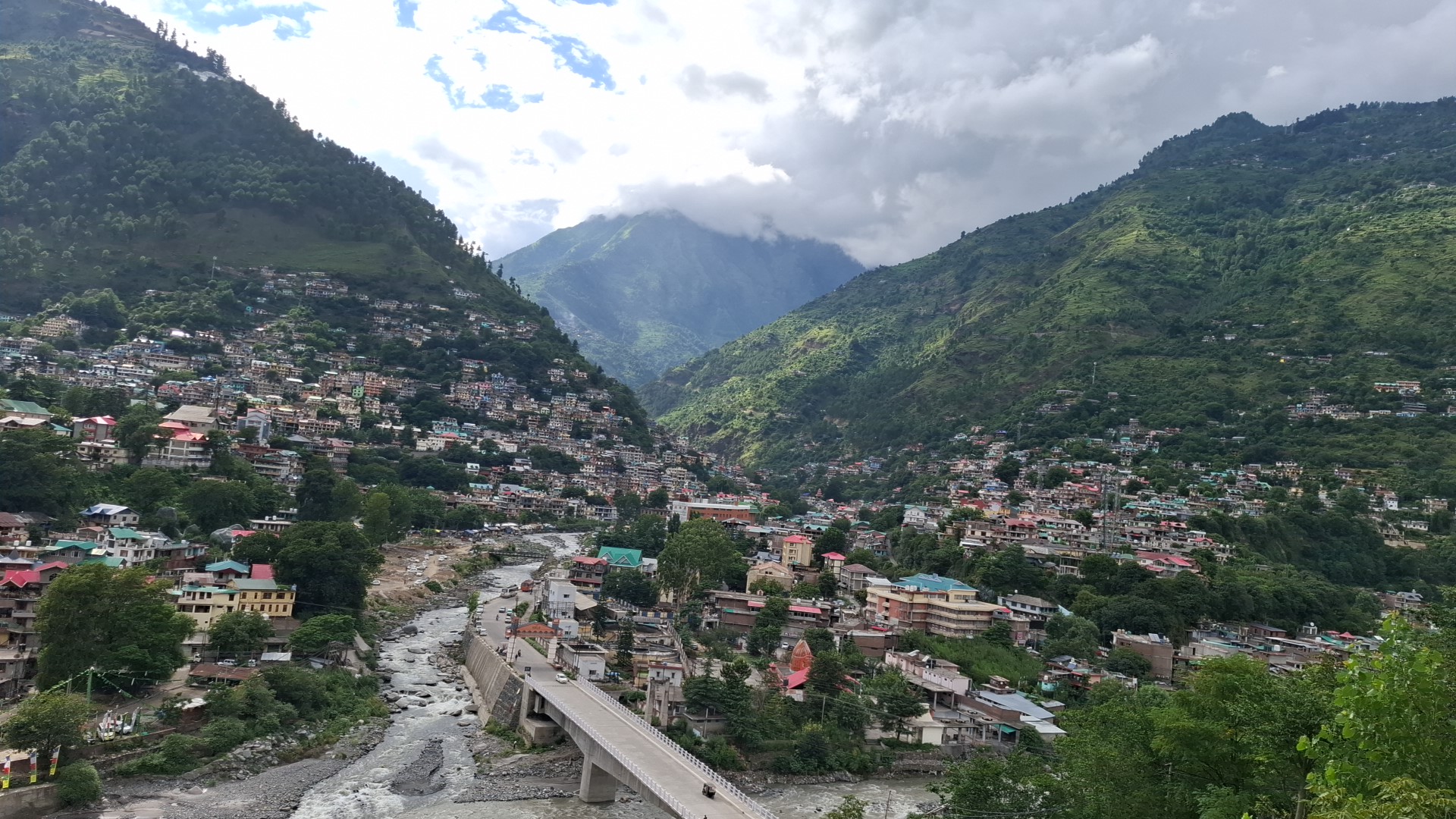
Cradled in the lap of the Western Himalayas, Kullu Valley is the spiritual and adventure heart of Himachal Pradesh. Often called the Valley of Gods, it is framed by deodar forests, the roaring Beas river, and snow-capped peaks of the Pir Panjal range. From ancient temples and apple orchards to glacier crossings and alpine meadows, Kullu compresses an entire Himalayan lifetime into a single valley.
Elevation
1,279 m
Best time
October – June
From Delhi
506 km
From Chandigarh
270 km
Plan your visit
Best time to visit Kullu
Kullu rewards visitors year-round, but each season offers a completely different valley.
Peak Season
Oct – Nov
- →Kullu Dussehra — 200+ deities, 7 days
- →Crystal-clear post-monsoon skies
- →Apple orchards heavy with harvest
- →All roads open, rafting at its best
Book hotels 2–3 months ahead for Dussehra week.
Winter & Snow
Dec – Feb
- →Snow on Bijli Mahadev & Chandrakhani
- →Solang Valley skiing & snow tubing
- →Quiet town, off-season hotel rates
- →Mornings below 0°C — pack heavy woolens
High passes like Rohtang close; lower valley stays accessible.
Spring & Summer
Mar – Jun
- →Apple & plum blossoms on every slope
- →Treks open from late April
- →Hampta Pass & Beas Kund accessible
- →Pleasant days 15–25°C, cool nights
May–June is ideal for families — warm days, blooming orchards.
Monsoon
Jul – Sep
- →Lush green valleys & gushing waterfalls
- →Manikaran and Kasol still accessible
- →Landslide risk on mountain roads
- →Lower trekking routes remain open
Avoid high-altitude treks July–August; inner roads can close.
Getting here
How to reach Kullu
Well connected by air, road and bus from Delhi and Chandigarh.
By Air
~1 hr from Delhi
- →Bhuntar Airport (KUU) — 10 km south of Kullu town
- →IndiGo & Air India daily from Delhi (DEL)
- →SpiceJet connects Chandigarh seasonally
- →Taxi to Kullu town: ₹400–500 (15 min)
Flights cancel in bad weather — build buffer days into your plan.
By Bus (Volvo)
10–12 hr from Delhi
- →HRTC & private Volvos from Delhi ISBT Kashmere Gate (nightly)
- →Cost: ₹900–1,600 per seat
- →From Chandigarh ISBT: 7–8 hr, ₹450–900
- →Arrives at Kullu bus stand by the Beas river
Book on HRTC or RedBus 2–4 weeks ahead during October.
By Road
9–11 hr from Delhi
- →506 km via NH-44 + NH-3 (Ambala → Chandigarh → Mandi → Kullu)
- →Chandigarh to Kullu: 270 km, ~6–7 hr
- →Shimla to Kullu: 235 km via NH-5, ~7–8 hr
- →Mountain roads from Mandi — avoid driving after dark
Don't drive through Aut Tunnel in the dark during monsoon.
Experiences
Things to do in Kullu
Rafting, trekking, temple circuits, Malana democracy and apple orchards — the valley packs more into one region than most states.
Adventure
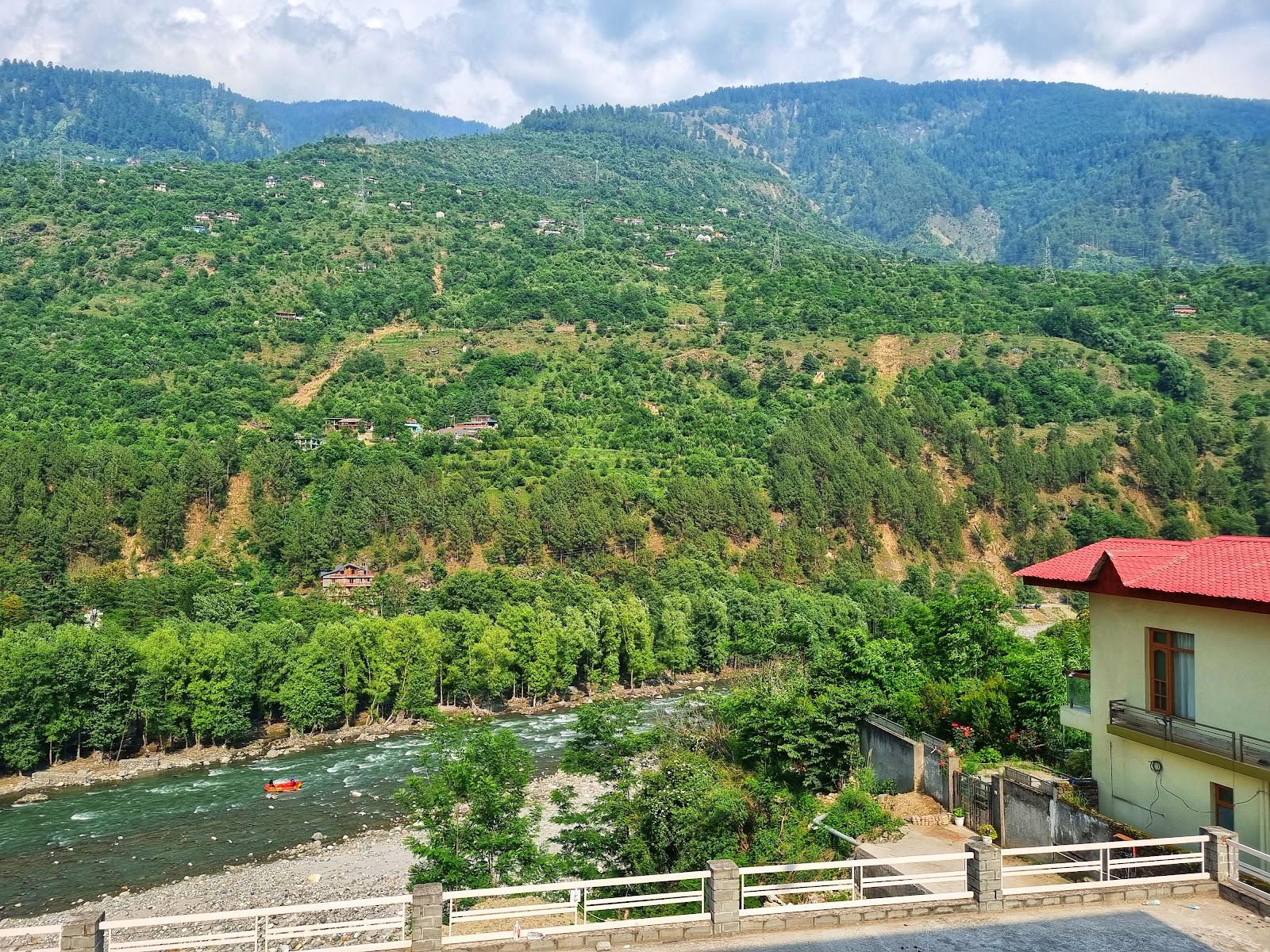
White-water rafting
Grade III–IV rapids on the Beas from Pirdi to Jhiri — Himachal's most popular run.
Trekking
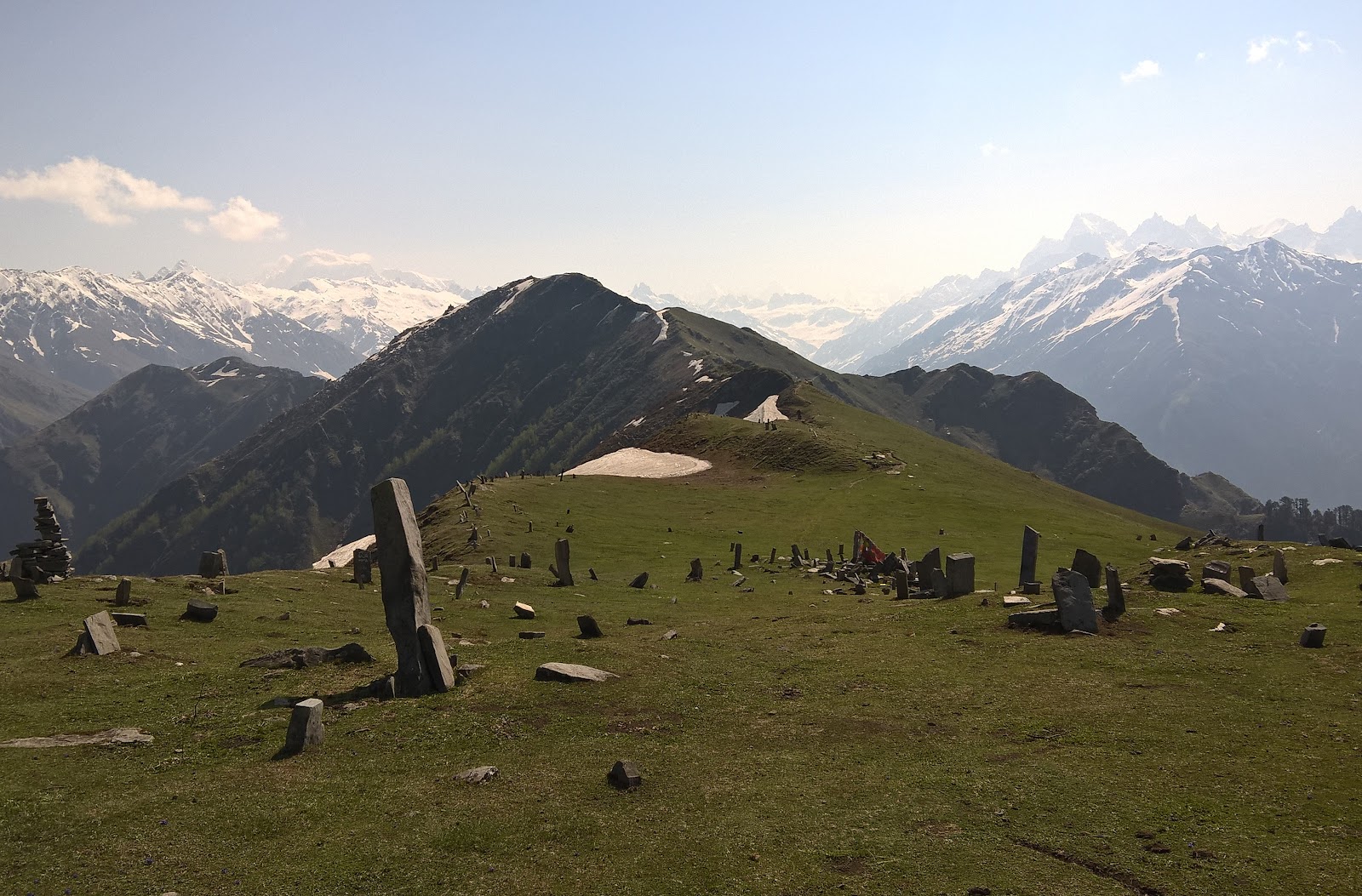
Trails for every level
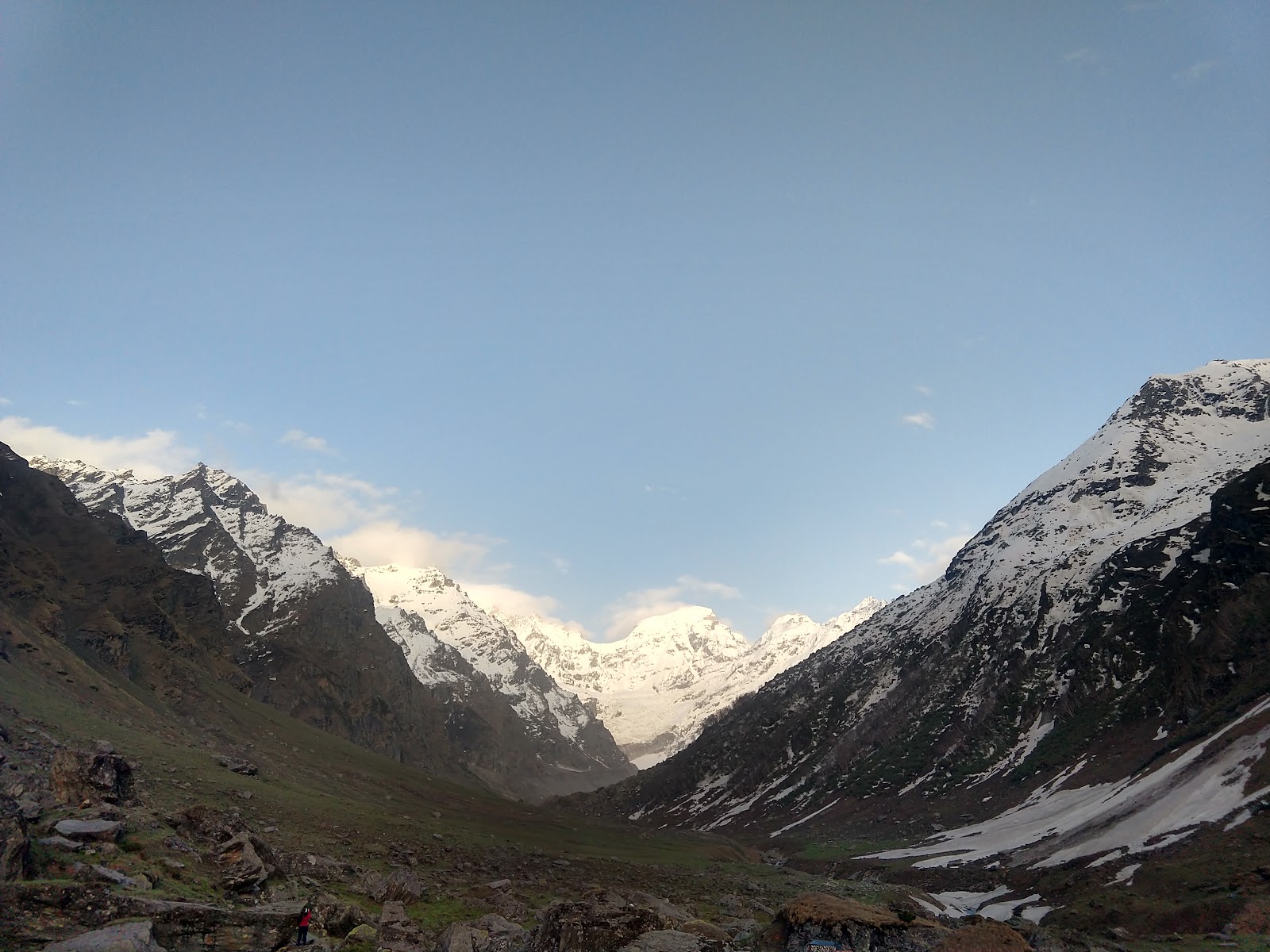
Chandrakhani Pass, Beas Kund, Hampta Pass and Deo Tibba — from meadows to glaciers.
Spiritual
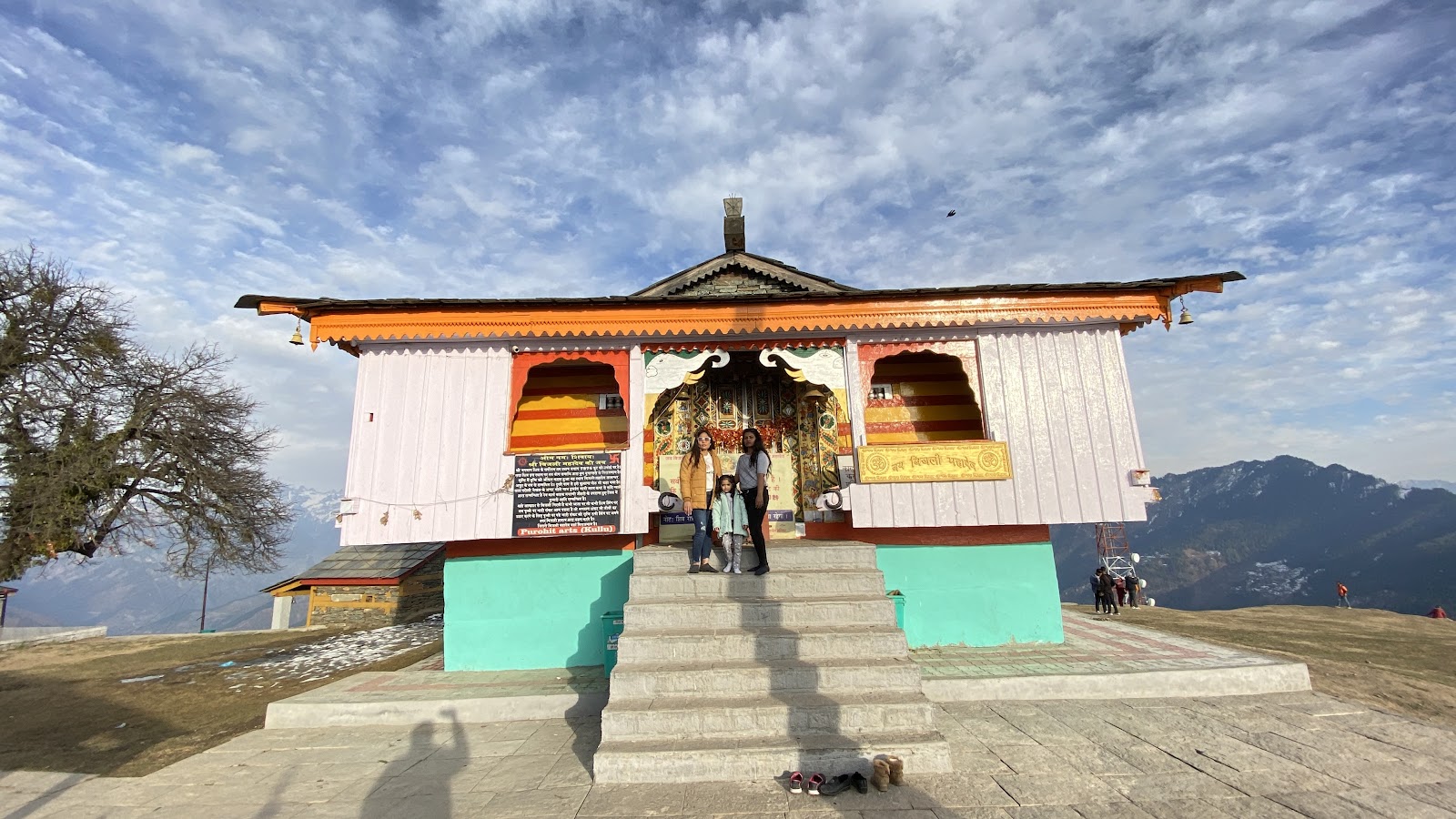
Temple circuit
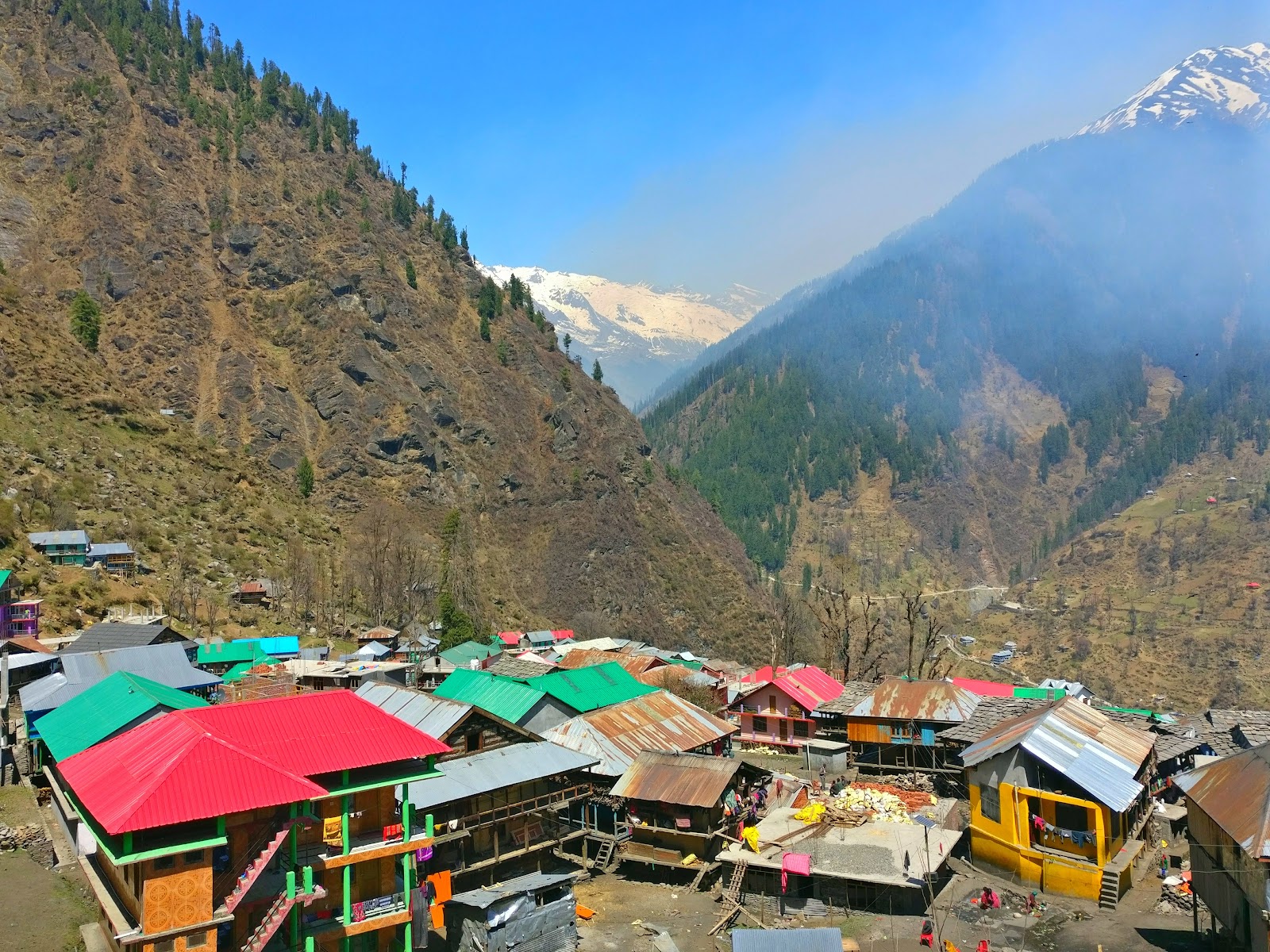
360+ devatas, Bijli Mahadev's lightning lingam and Kullu Dussehra in October.
Culture
Malana & orchards
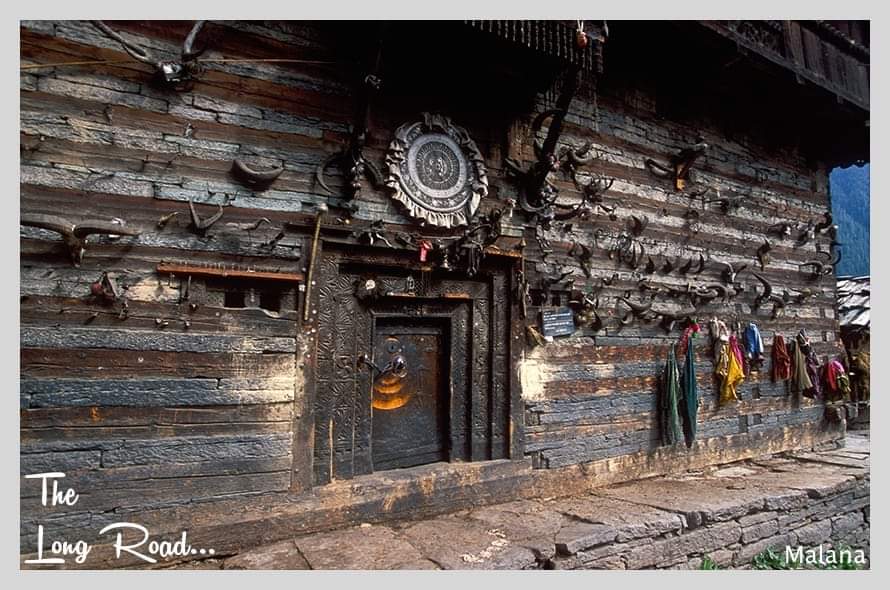
The world's oldest democracy, GI-tagged shawl looms and apple-picking in September.
Local Cuisine
Pahari food — hearty, slow-cooked & deeply seasonal
What to eat in Kullu
Flavours of the valley
Most ingredients come from village kitchens and orchard gardens within the valley itself — nothing travels far.
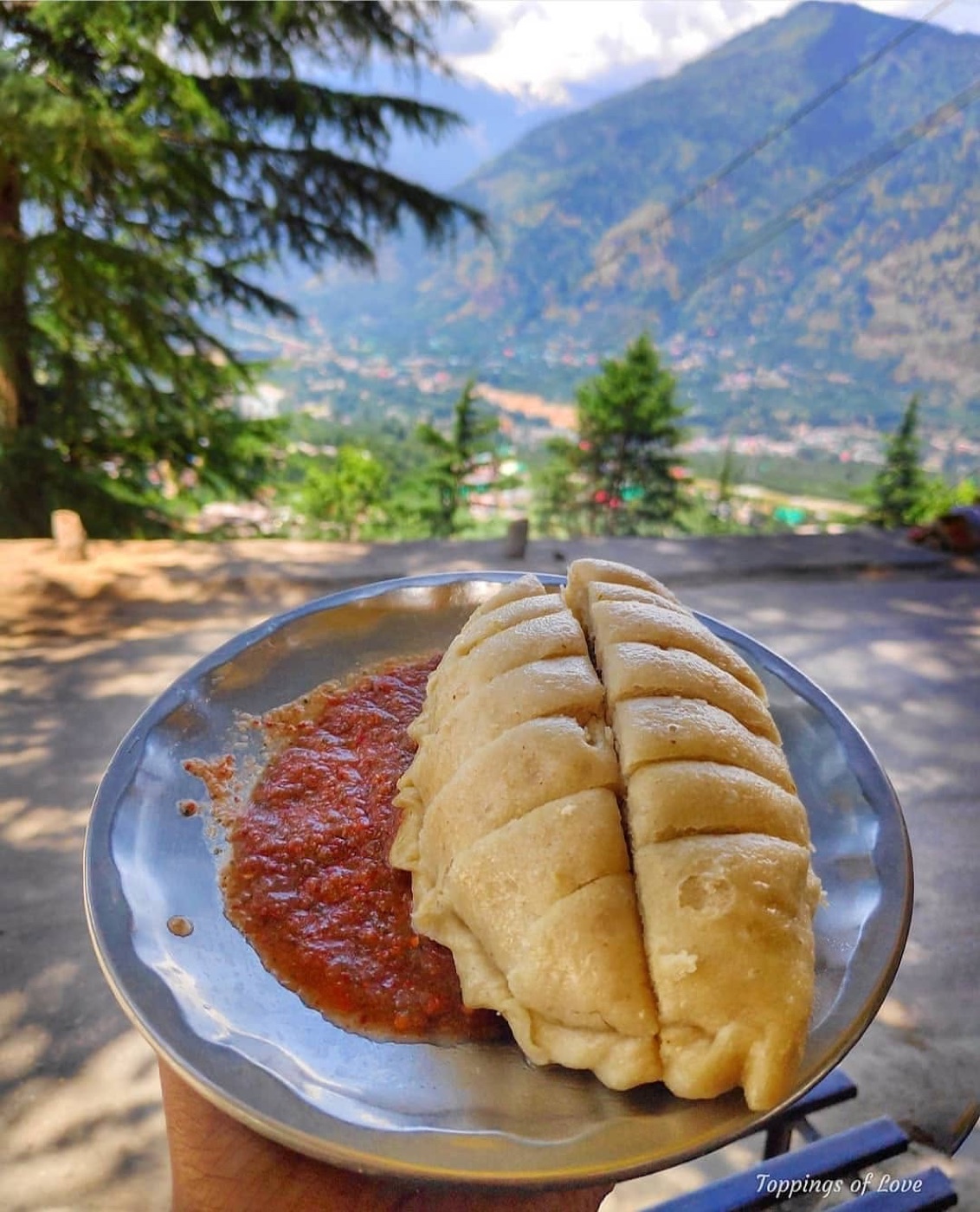
Siddu
Steamed wheat buns stuffed with walnuts, poppy seeds or radish — the valley's most beloved street food, served with ghee and dal.
Chha Gosht
Slow-braised mutton in yoghurt, cardamom and cinnamon. A celebratory dish served at weddings and during Dussehra.
Aktori
Buckwheat pancake cooked at harvest — slightly nutty, eaten with local wildflower honey.
Trout
Farm-raised rainbow trout from the Beas and Parvati, pan-fried in garlic butter. Best at riverside dhabas between Katrain and Naggar.
Sepu Badi
Lentil dumplings in spinach-yoghurt gravy. A winter staple in local homes and traditional Pahari restaurants.
Shopping & Souvenirs
What to buy in Kullu
From GI-tagged hand-woven textiles to organic produce — Kullu is one of Himachal's best craft-shopping destinations.
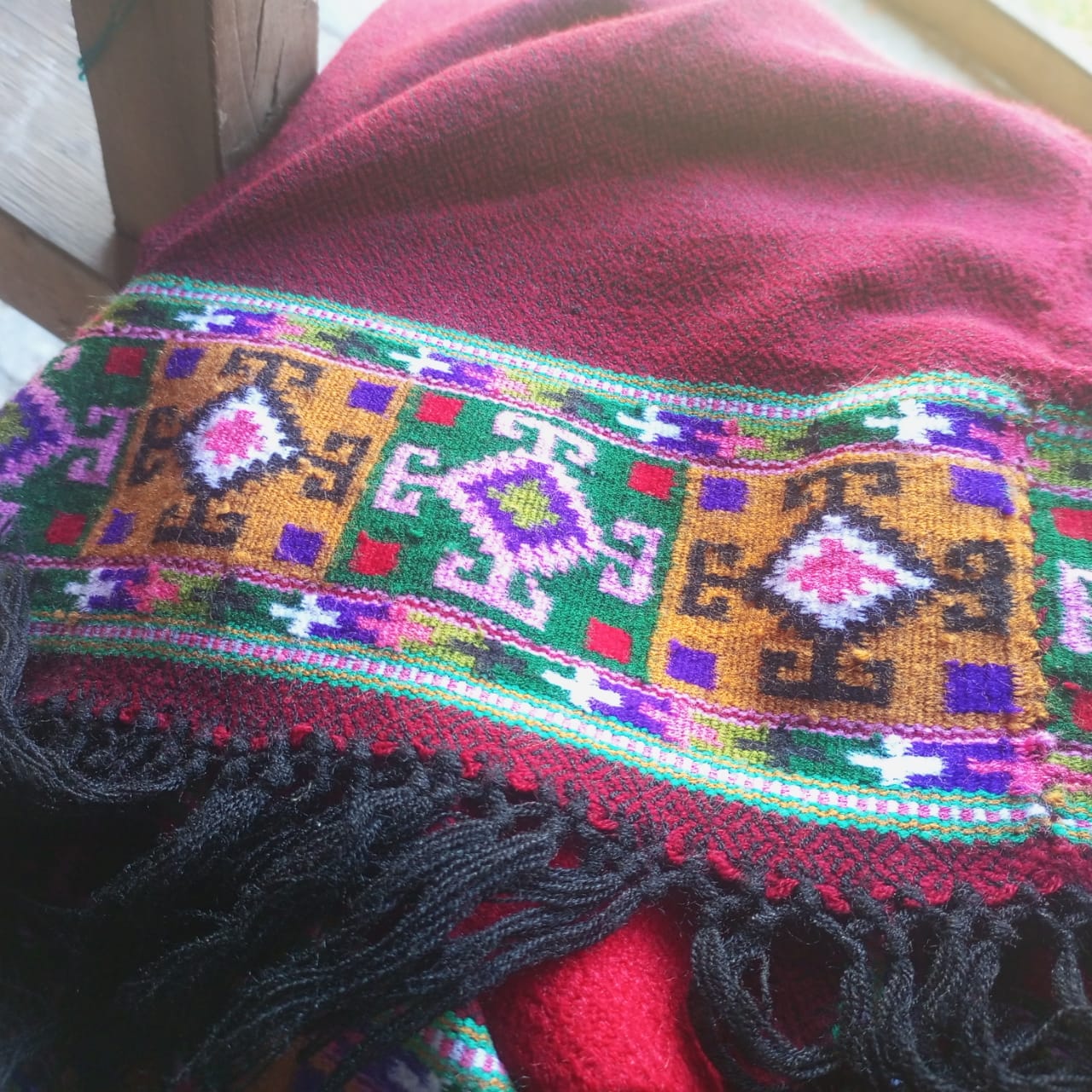
Kullu Shawls (Pattu)
The valley's signature GI-tagged craft. Bold geometric borders in natural wool — buy from the Government Emporium on Akhara Bazaar or cooperative looms in Bashing.
Kullu Topi
The traditional Himachali cap with a colourful band. Available at Akhara Bazaar shops for ₹150–400.
Apple Products
Fresh apples (Aug–Oct), sun-dried rings, apple jam and house-fermented cider at roadside stalls between Kullu and Naggar.
Wooden Crafts
Hand-carved walnut and deodar bowls, frames and figurines. The market near Raghunath Temple has the widest selection.
Organic Honey & Spices
Himalayan wildflower honey, dried lingri ferns and local rajma — flavours you won't find in any city supermarket.
Where to stay
Hotels in Kullu
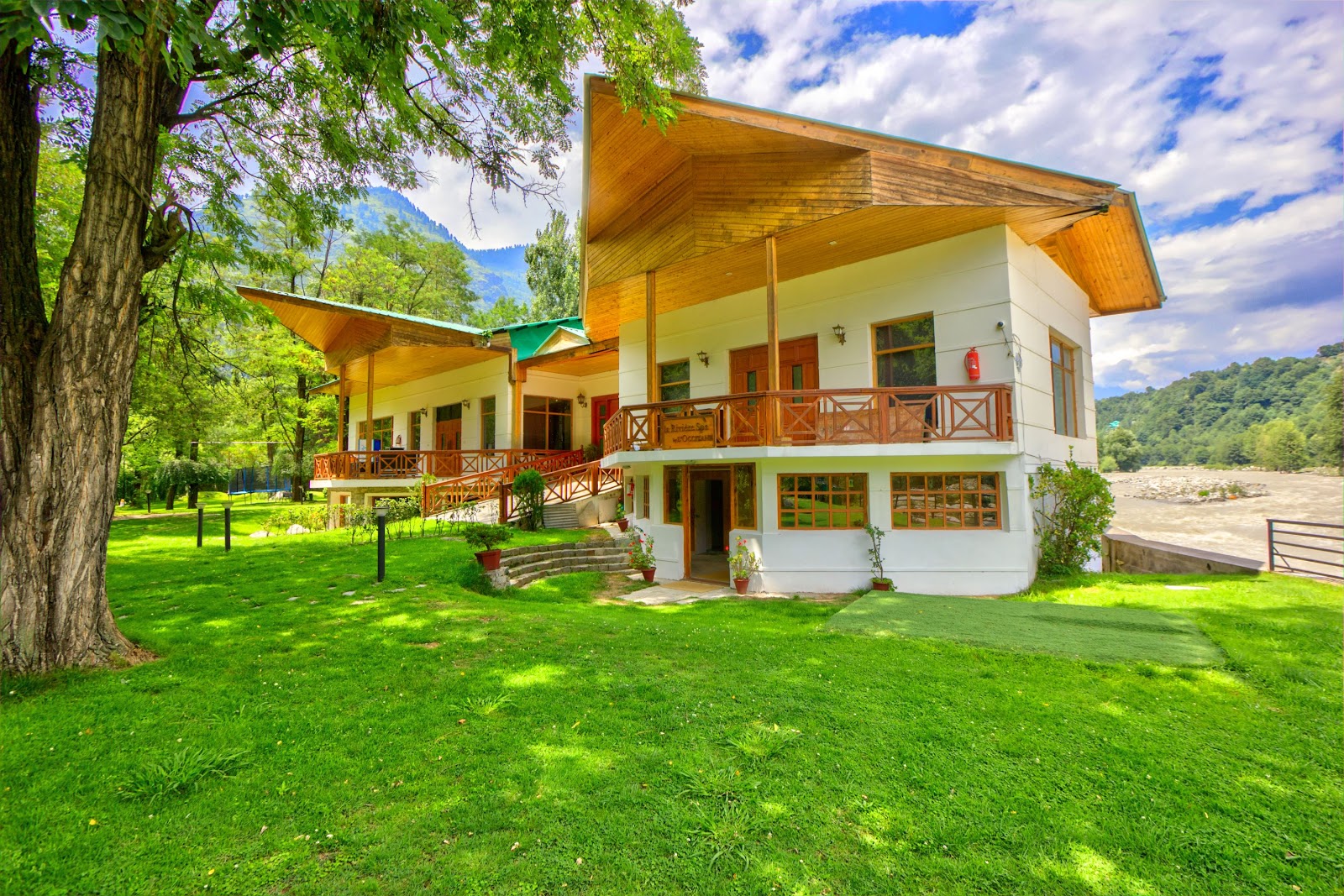
Span Resort & Spa
Katrain, Kullu
From ₹12,500 / night
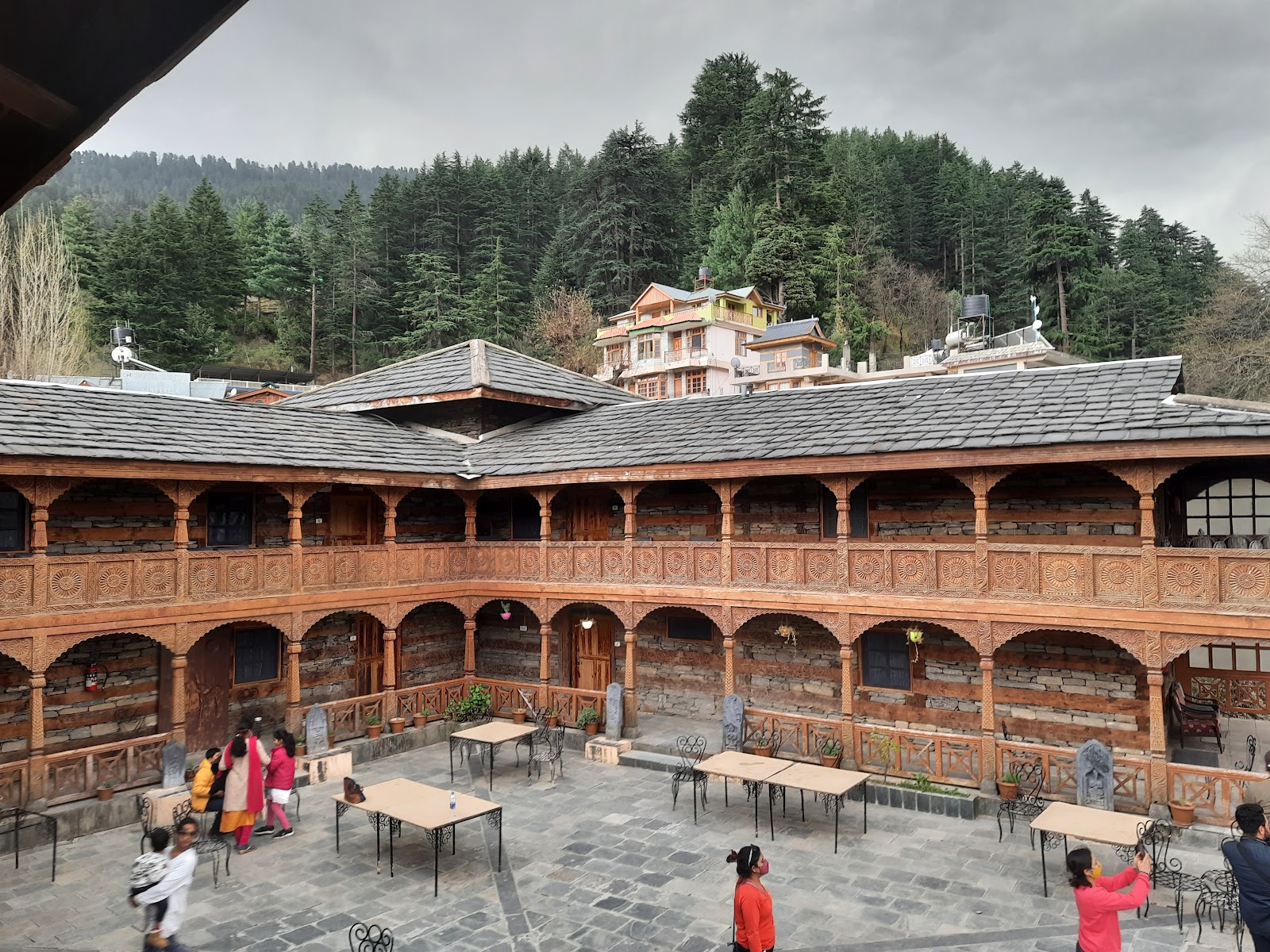
Naggar Castle (HPTDC)
Naggar, Kullu
From ₹4,500 / night
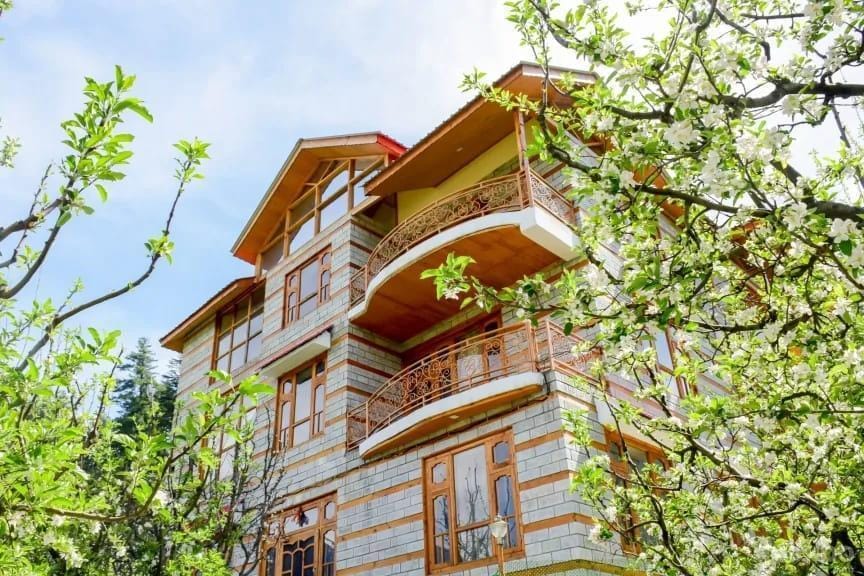
Mid Orchard Cottage
Village Madhi, Naggar, Kullu
From ₹3,500 / night
Looking for a more immersive stay?
Homestays in Kullu — Kath-Kuni houses, home-cooked Pahari meals, village life.
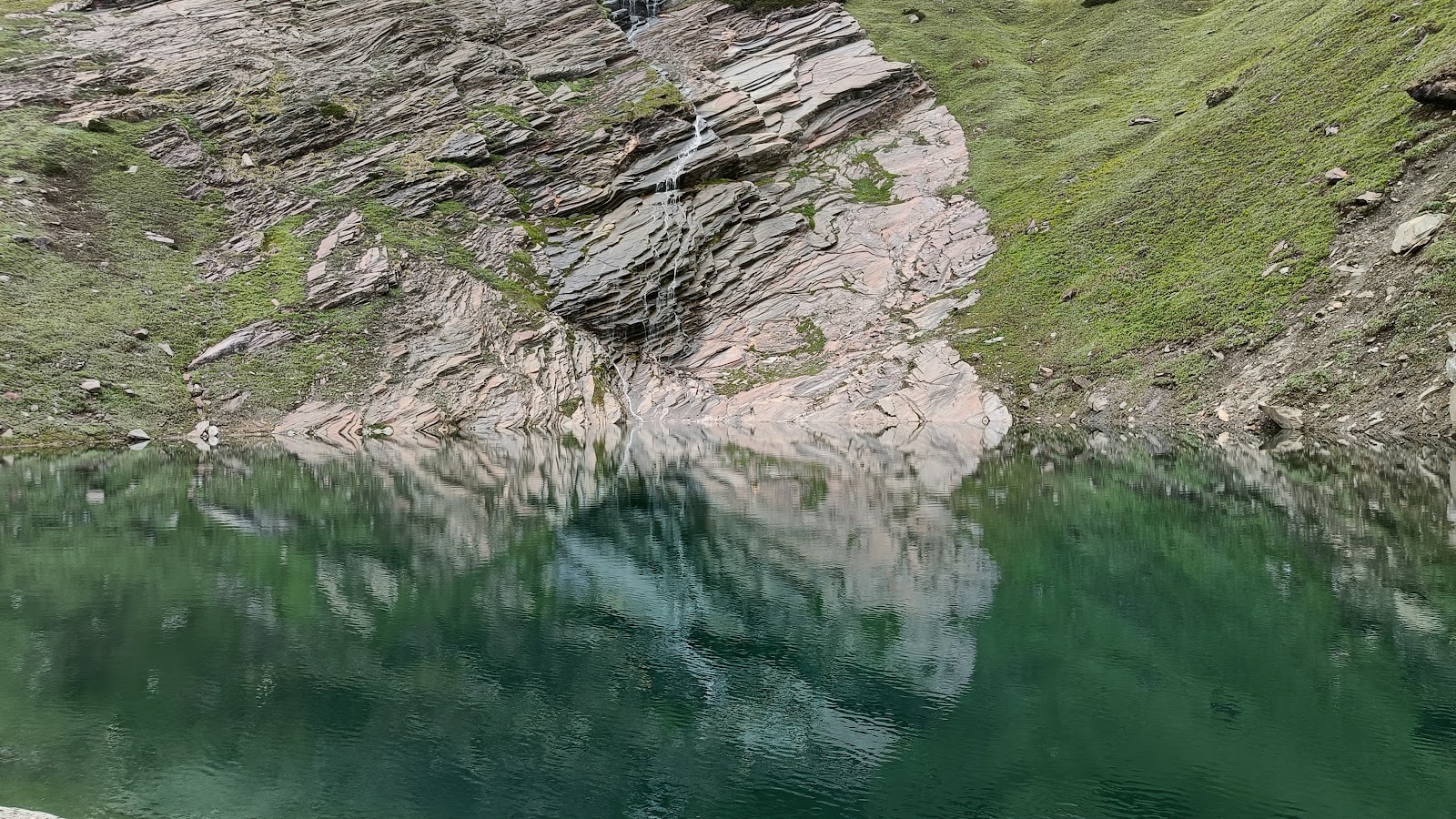
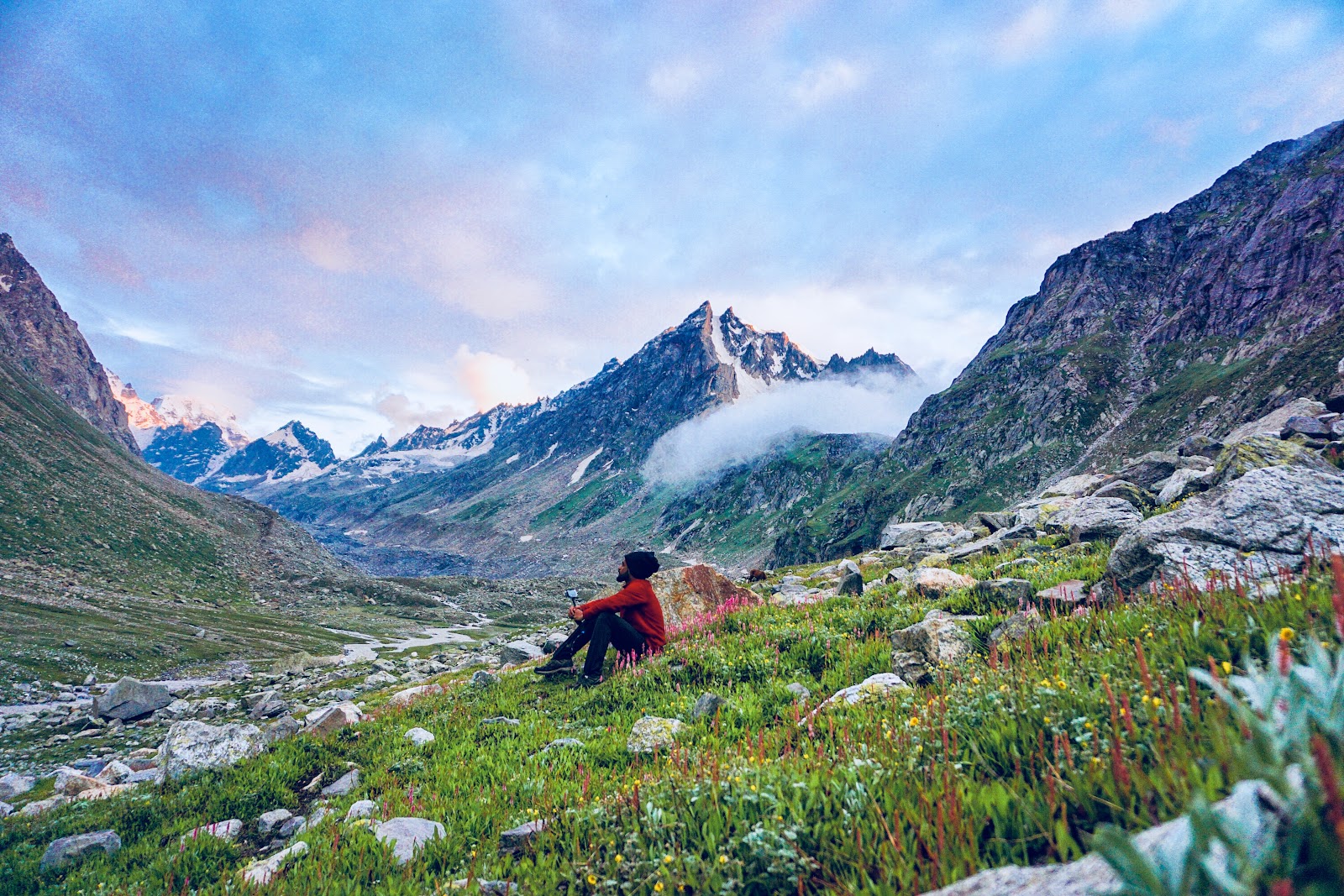
Sacred geography
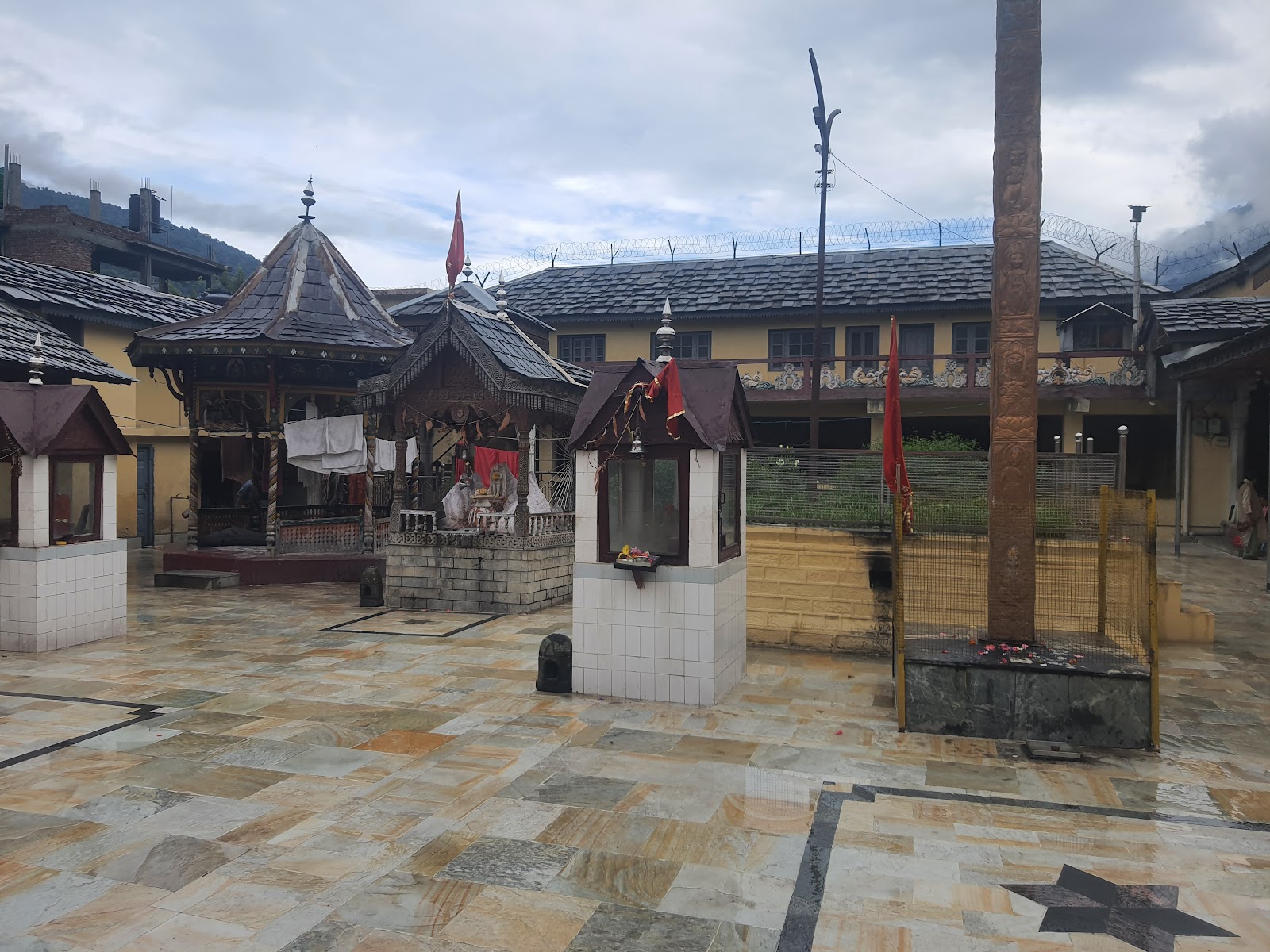
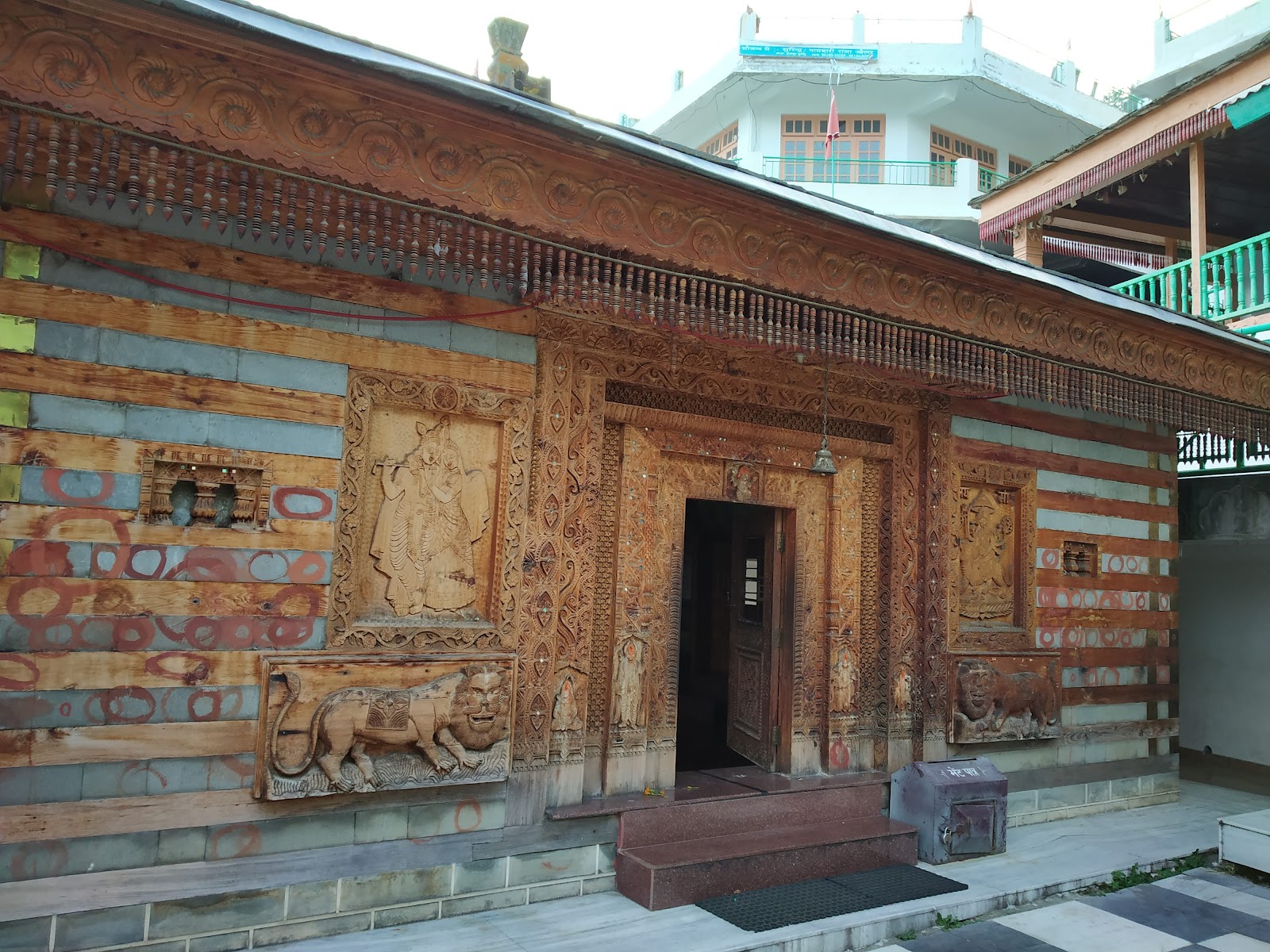
Temples of Kullu
Beyond the town
Places to visit
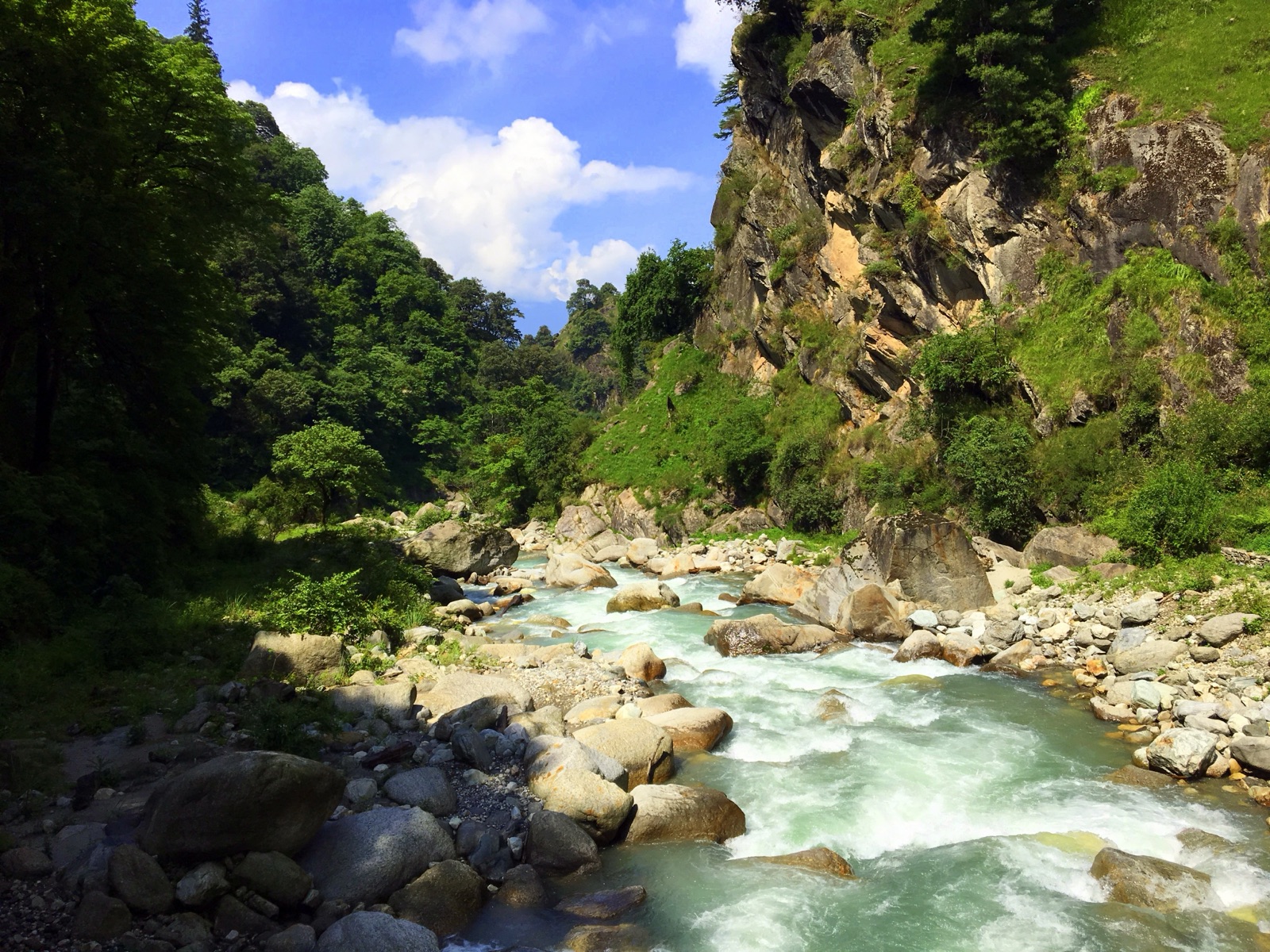
Great Himalayan National Park
60 km from Kullu
A 1,170 km² mosaic of glaciers, alpine meadows and rare wildlife, recognised by UNESCO for its ecological significance.
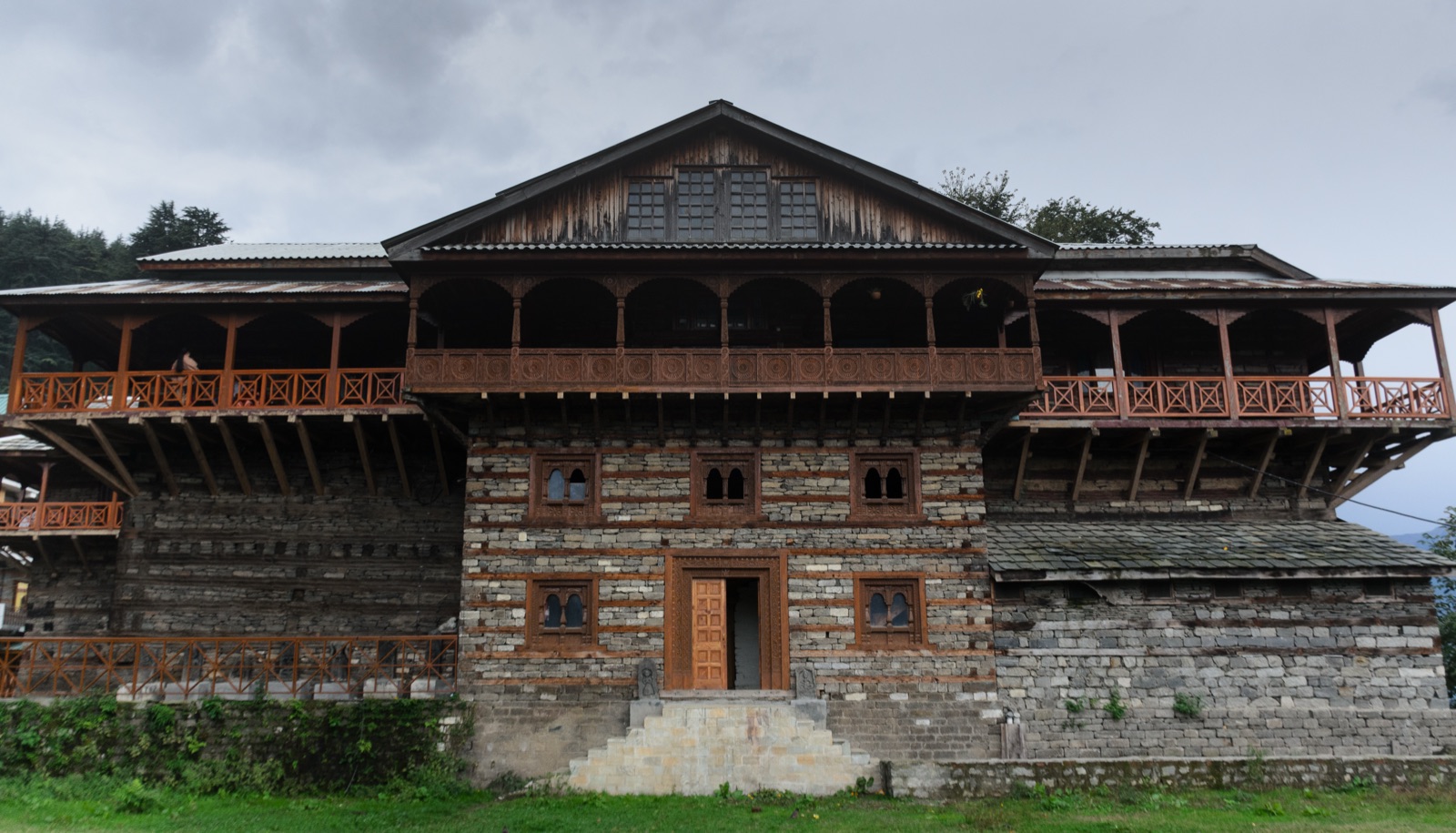
Naggar Castle
27 km from Kullu
A 15th-century stone-and-wood castle that once served as the capital of the Kullu kings, now a heritage hotel with sweeping valley views.
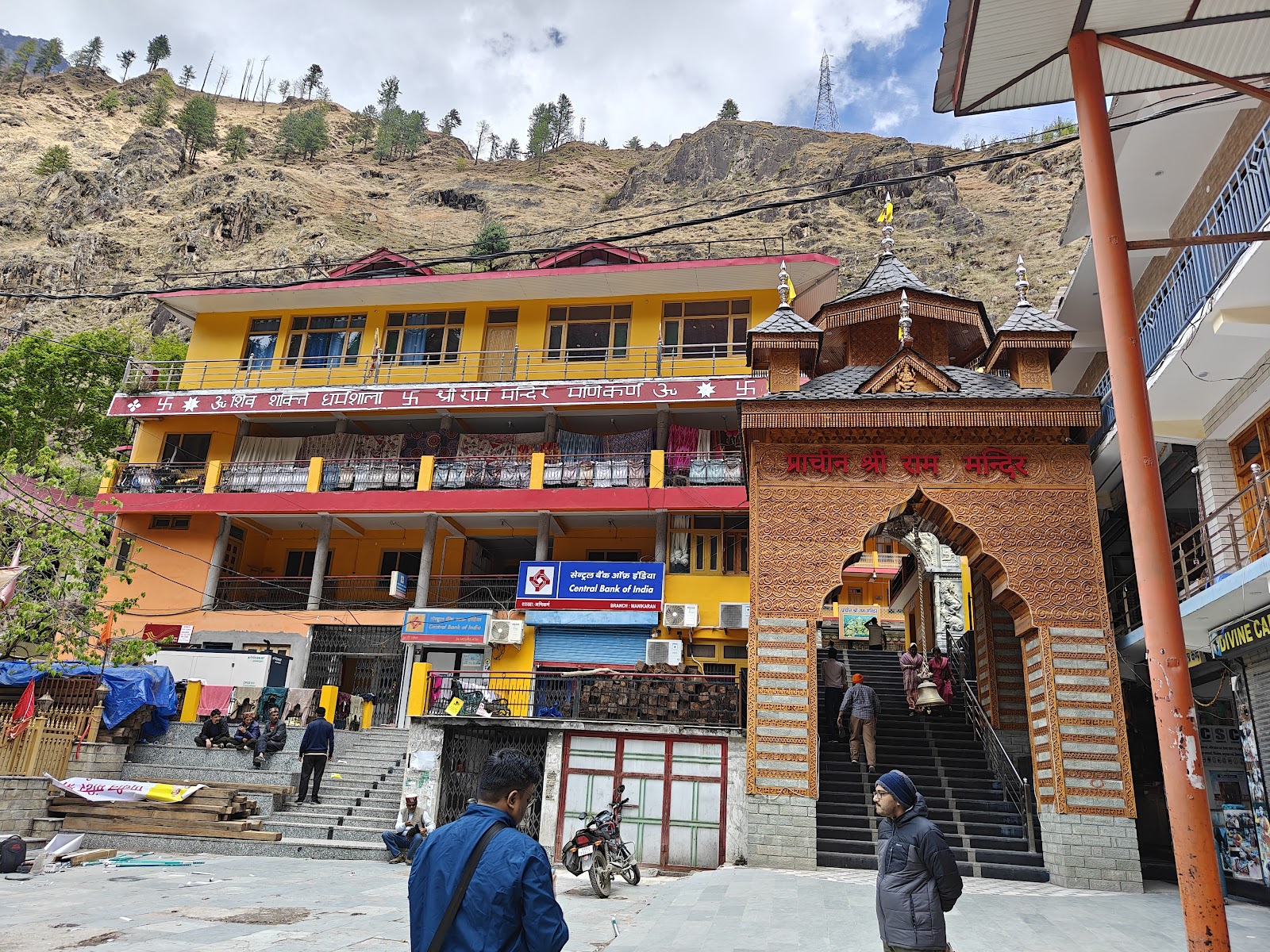
Manikaran Sahib
45 km from Kullu
Sacred to both Sikhs and Hindus, famed for its boiling hot springs along the Parvati river where langar rice is cooked in 5 minutes.
Who's going to the Kullu valley
Checking who's heading this way…
Frequently asked questions
Everything you need to know about Kullu
What is Kullu famous for?
Kullu is famous for the Kullu Dussehra festival (one of India's largest, with 200+ village deities gathering on Dhalpur Maidan every October), the valley's extraordinary density of ancient temples (earning it the name 'Valley of Gods'), and its position as the adventure gateway to Himalayan treks like Hampta Pass, Chandrakhani Pass and Beas Kund. Beyond these, the valley is known for GI-tagged hand-woven Kullu shawls, apple orchards, white-water rafting on the Beas river, and the unique ancient democracy of Malana village.
What is the difference between Kullu and Manali?
Kullu and Manali are two separate towns in the same valley, 42 km apart on the Beas river. Kullu (1,220 m) is the administrative headquarters — more relaxed, with a strong temple culture, Kullu Dussehra, shawl markets and the Beas rafting stretch. Manali (2,050 m) sits higher and colder, with Rohtang Pass, Solang Valley, international backpacker cafés in Old Manali and the Hadimba Temple in a deodar grove. Most travellers visit both: Kullu as the cultural and spiritual heart, Manali as the adventure and nightlife hub.
What is Kullu Dussehra and why is it special?
Kullu Dussehra is a 7-day festival held at Dhalpur Maidan every October. What makes it unique is that over 200 local village deities — each housed in a silver palanquin and carried by devotees — converge at the ground to pay respects to the presiding deity, Raghunathji. It is the only festival in India where so many devatas gather in one place. The festival includes folk music, traditional dance, a cattle fair and cultural performances. It has been recognised by the Indian government as an International Festival.
Is Kullu safe for solo travellers and women?
Kullu is considered one of the safer hill destinations in India. The town is compact and well-lit, hotel staff are generally helpful, and the local police maintain a visible presence. Solo women travellers regularly visit Kasol, Manikaran, Naggar and Kullu town without issue. Standard precautions apply — inform someone of your trekking itinerary, avoid isolated mountain roads after dark, and use registered taxis or HRTC buses rather than hitchhiking. Mobile connectivity is good in the main valley but drops above 3,000 m.
What adventure activities are available in Kullu?
The main adventure activities in Kullu are: white-water rafting on the Beas (Grade III–IV, Pirdi to Jhiri stretch, July–September); trekking on routes like Hampta Pass, Beas Kund, Chandrakhani Pass and Deo Tibba Base Camp; paragliding in Dobhi and at Solang Valley; zorbing, skiing and snow tubing at Solang Valley in winter; camping along the Beas and Parvati rivers; and mountain biking on the right-bank Naggar road.
How many days is enough to visit Kullu?
For a focused Kullu trip — town temples, Bijli Mahadev trek, Naggar Castle, Roerich Gallery, shawl shopping and one day of rafting — 3–4 days is sufficient. Extend to 5–6 days to add Parvati Valley (Kasol, Kheerganga, Manikaran Sahib). A full 7–10 day trip allows one multi-day trek (Chandrakhani Pass or Beas Kund) and the Great Himalayan National Park. For Kullu Dussehra, budget at least 4 days.
Are there ATMs and medical facilities in Kullu?
Yes. Kullu town has multiple ATMs (SBI, PNB, HDFC and Axis) on Akhara Bazaar and near the bus stand. Regional Hospital Kullu provides emergency services; private clinics are in the main market. For serious emergencies, Lal Ded Hospital in Manali (42 km) has better facilities. Beyond Kasol and Manikaran, ATMs and hospitals become scarce — carry sufficient cash and prescription medicines when venturing deeper into Parvati Valley.
Do places in Kullu accept UPI and cards?
UPI and cards are widely accepted in Kullu town, Naggar and most Manali hotels and restaurants. In Kasol, Kheerganga and remote villages, cash is still king — mobile data can be spotty and POS machines often fail. Carry at least ₹3,000–5,000 cash when leaving the main highway. BSNL and Jio work in the main valley; above 3,000 m on most treks, connectivity drops to zero.
Make Kullu your next trip.
Custom routes, fixed-departure batches, or a private expedition — your call.
Plan my trip