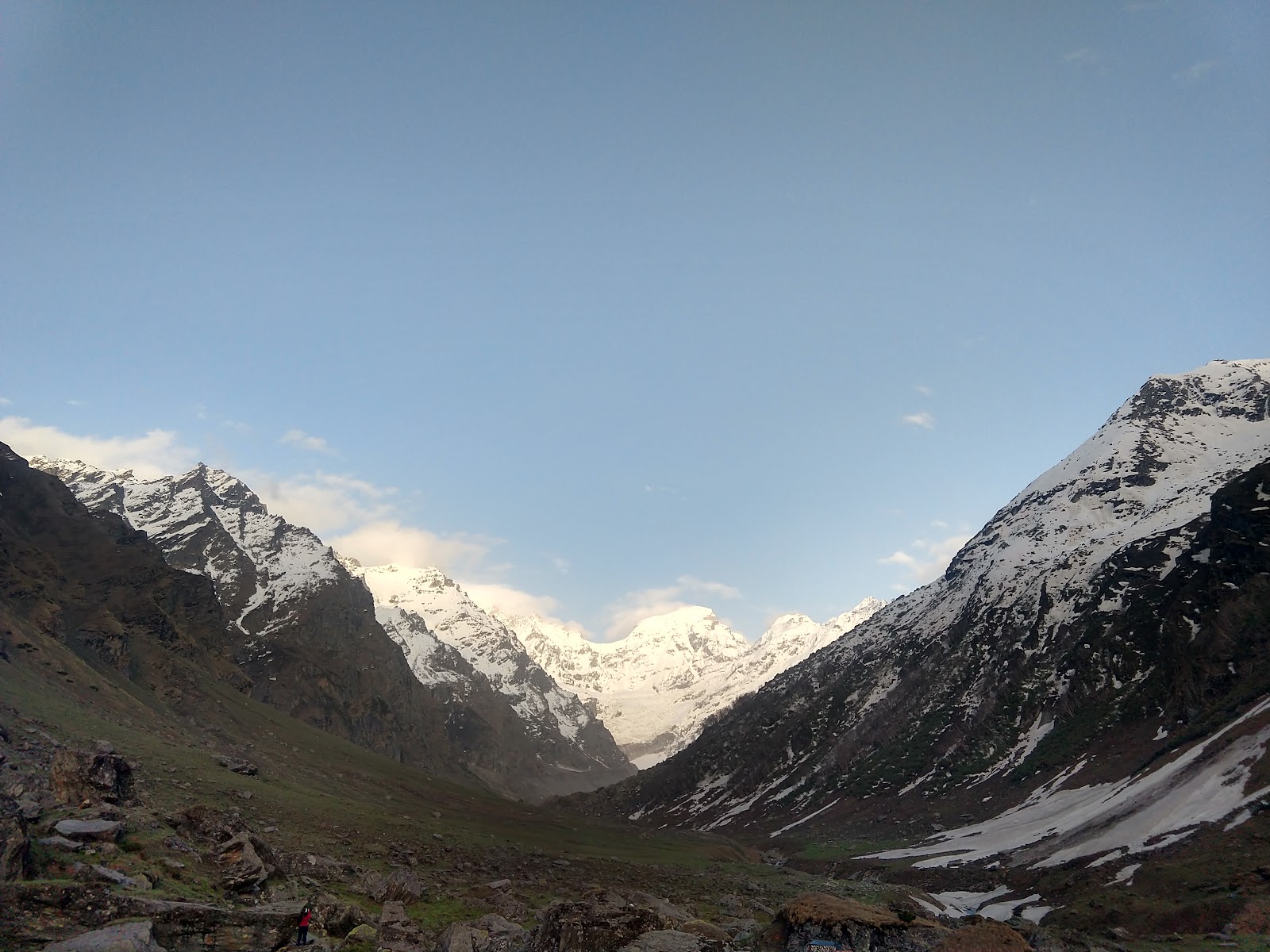
Kullu rewards visitors in every season — but each one offers a completely different valley. Here's exactly what to expect, month by month, so you can plan the right trip.
Table of Contents
Oct – Nov
8 – 22°C
Dec – Feb
-2 – 12°C
Mar – Jun
12 – 30°C
Jul – Sep
15 – 28°C
Oct – Nov in Kullu
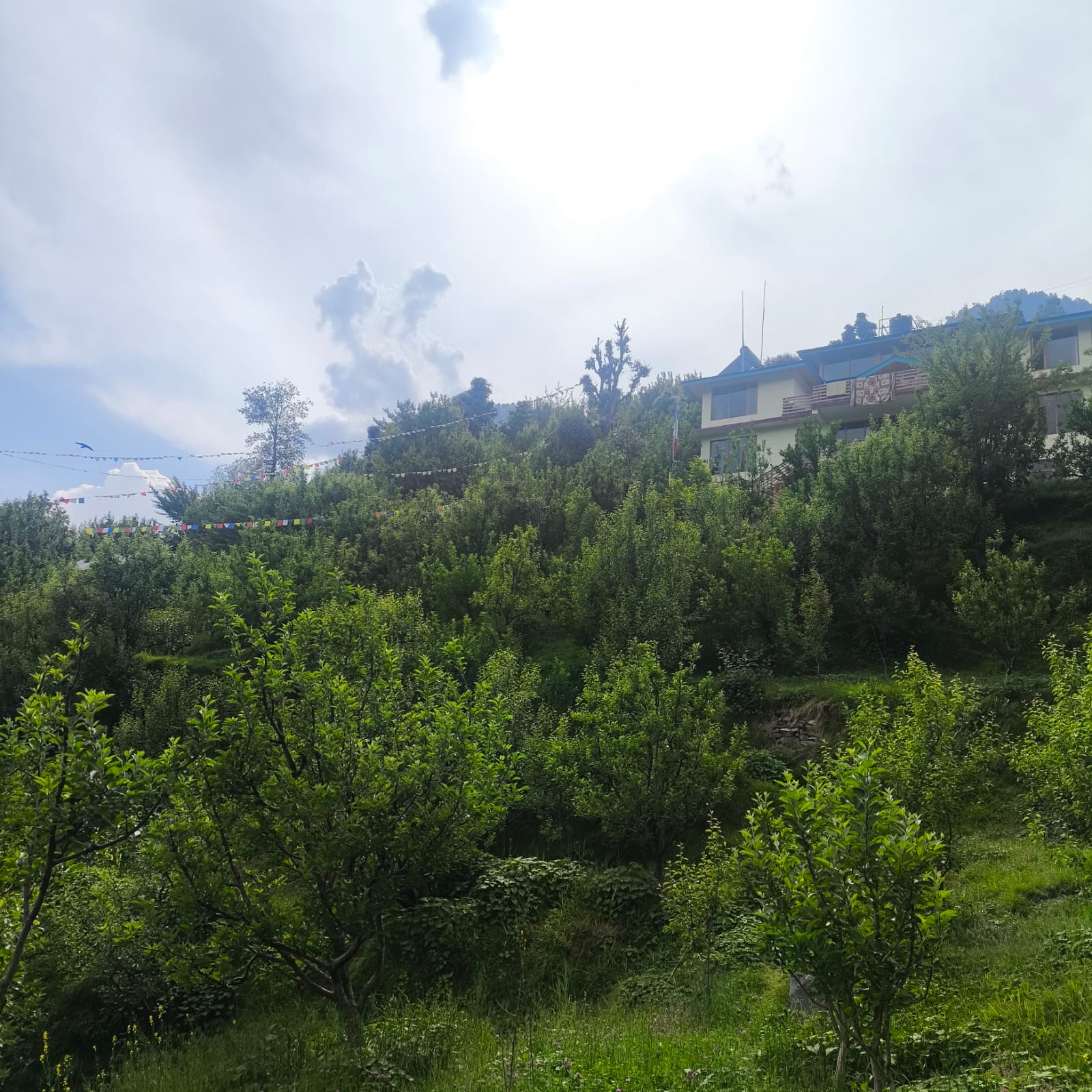
The finest window for Kullu. Skies are crystal-clear after monsoon, the Beas is full from glacial melt, apple orchards are heavy with harvest and Kullu Dussehra — India's most spectacular deity festival — falls in October. All roads are open, temperatures are ideal and the valley is at its most photogenic.
Highlights
→Kullu Dussehra (October) — 200+ deities on Dhalpur Maidan
→Post-monsoon clarity — visibility to distant snow peaks
→Apple harvest season in Bashing and Naggar orchards
→Rafting still running on the Beas
→All trekking routes open
Best activities
Book hotels 2–3 months ahead for Dussehra week — accommodation sells out completely.
Dec – Feb in Kullu
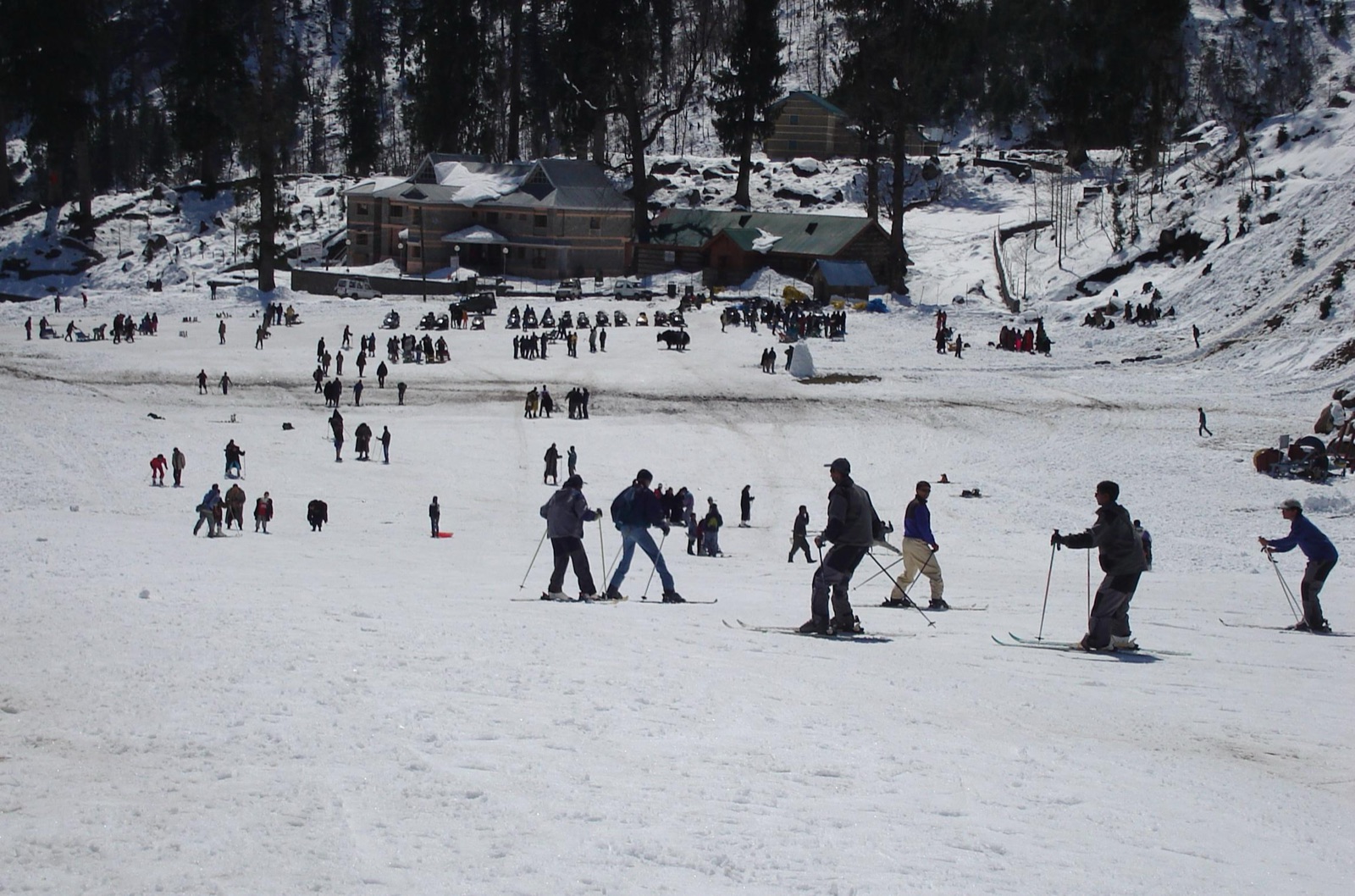
Kullu valley turns white from December onwards. The main town remains accessible, but high passes like Rohtang close. Solang Valley above Manali becomes Himachal's most visited snow-sports destination — skiing, snow tubing and zorbing run through February. Hotel rates drop 30–50% compared to peak season.
Highlights
→Skiing and snow tubing at Solang Valley
→Snow-dusted Bijli Mahadev ridge
→Off-season rates — luxury at mid-range prices
→Maha Shivaratri at Bijli Mahadev temple (February)
→Quiet valley with fewer crowds
Best activities
Pack heavy woolens — morning temperatures in Kullu town can drop below 0°C in January.
Mar – Jun in Kullu
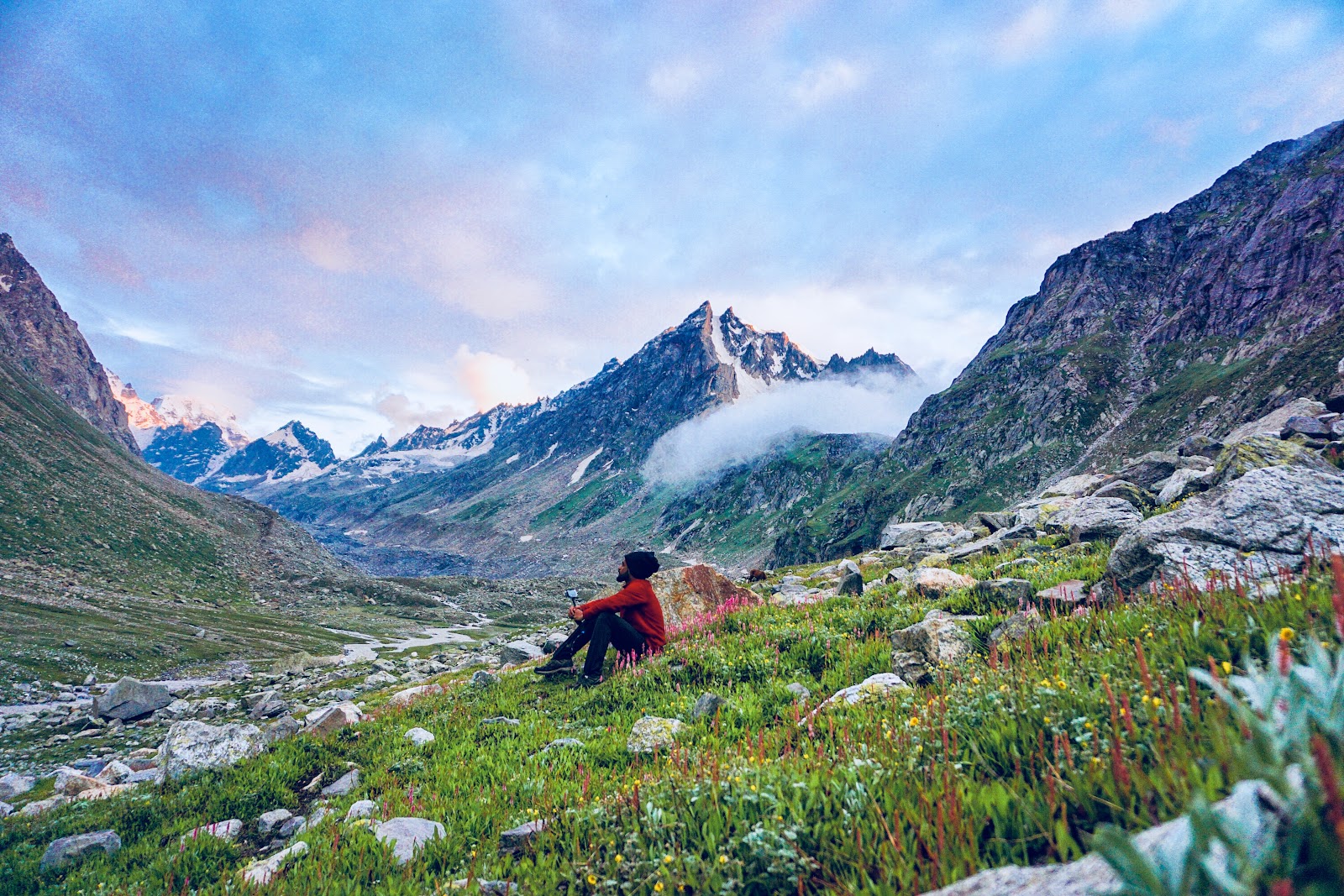
March brings apple and plum blossoms to every slope in the valley — one of the most beautiful sights in Himachal Pradesh. By late April, treks open progressively. May–June is the peak trekking window: Chandrakhani Pass, Beas Kund, Hampta Pass and Deo Tibba Base Camp are all accessible. Days are warm and clear, nights are cool.
Highlights
→Apple blossoms (March–April) on the Naggar slopes
→Trekking season opens from late April
→Hampta Pass, Beas Kund and Chandrakhani fully accessible by May
→Pleasant 15–25°C days, cool nights
→Families and first-timers — ideal conditions
Best activities
June brings pre-monsoon dust haze in the lower valley. Higher elevations remain clear.
Jul – Sep in Kullu
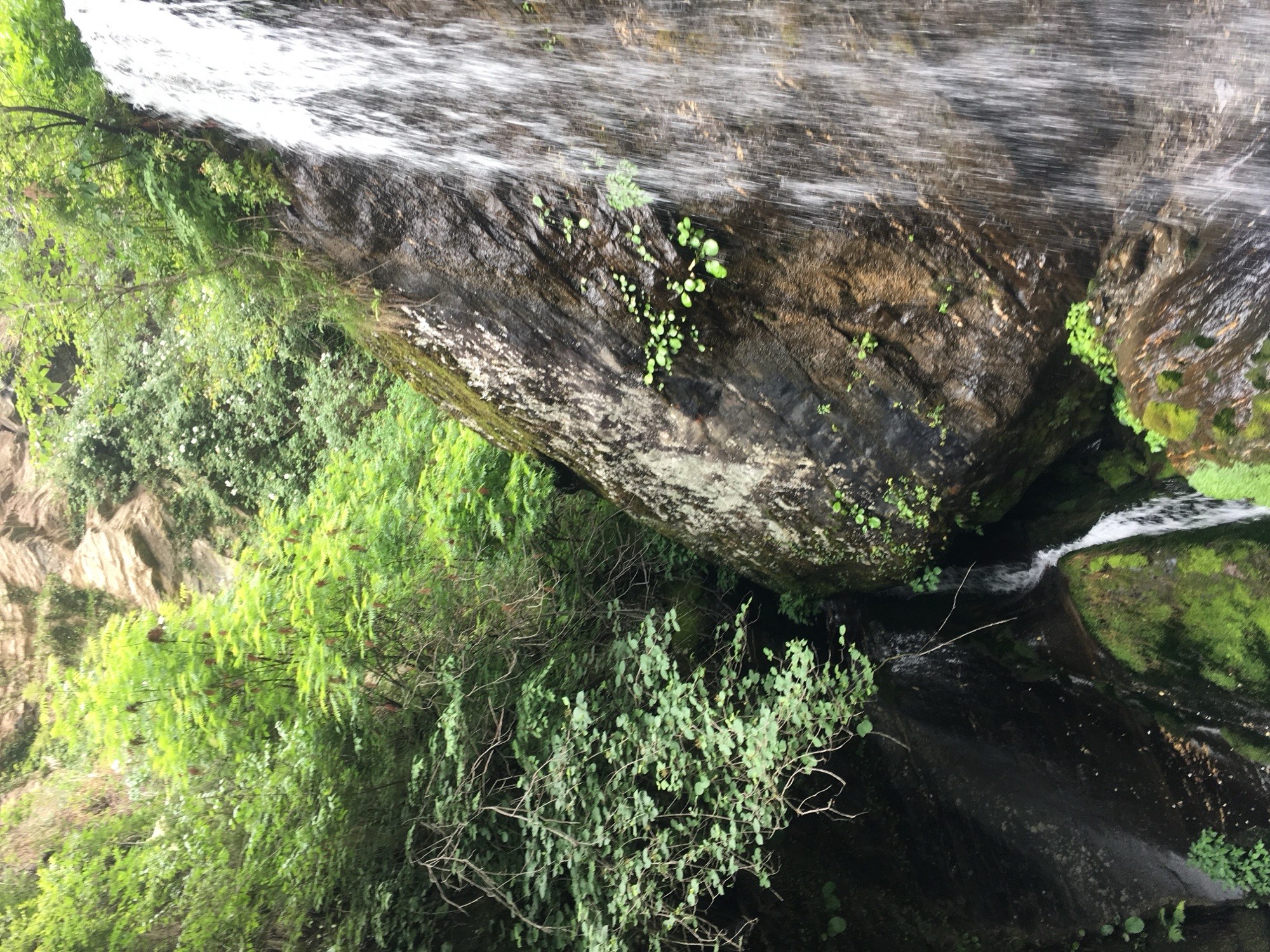
The Beas swells with glacial melt and monsoon rain, turning the Pirdi–Jhiri stretch into Himachal's most thrilling white-water run. The valley turns an extraordinary deep green — waterfalls appear on every hillside. However, mountain roads above Aut are vulnerable to landslides and some inner roads can close for days without warning.
Highlights
→Peak rafting season — Grade III–IV rapids on the Beas
→Dramatic green valleys and waterfalls on every hillside
→Manikaran Sahib and Kasol accessible throughout
→Lush meadows on lower trekking routes
→Lower hotel rates than peak season
Best activities
Avoid driving on the Aut–Kullu road at night during monsoon. Landslide risk is real — check road conditions daily.
Month-by-month at a glance
Temperature, crowd levels and key events for every month of the year.
| Month | Temp | Conditions & events |
|---|---|---|
| January | -2 – 10°C | Coldest month. Snow on ridges above 2,000 m. Kullu town mostly clear but cold. Solang Valley has excellent ski conditions. Skiing at Solang ValleyMandi Shivratri Fair (nearby) |
| February | -1 – 12°C | Still cold but daylight hours lengthen. Maha Shivaratri brings pilgrims to Bijli Mahadev. Last good month for snow sports. Maha Shivaratri at Bijli Mahadev |
| March | 6 – 18°C | Valley transforms with apple and plum blossoms. Temperatures rise quickly. Snow recedes above 2,500 m. One of the most beautiful months. Apple blossom season startsHoli in the valley |
| April | 10 – 22°C | Peak blossom month. Lower treks (Malana Village, Bijli Mahadev) open. Warm days, cold nights. Ideal for casual visitors. Blossom peakLower treks open |
| May | 14 – 28°C | Best trekking conditions begin. Chandrakhani Pass, Beas Kund and Hampta Pass all accessible. Long days. Pleasant for families. Hampta Pass trek opensBeas Kund trek opensDhungri Mela at Hadimba Devi |
| June | 16 – 32°C | Warmest month. High passes fully open. Pre-monsoon haze in lower valley. Good for high-altitude treks before rain arrives. Deo Tibba Base Camp accessibleHampta Pass at its best |
| July | 18 – 28°C | Monsoon arrives mid-July. Beas rises fast — best rafting conditions. Valleys turn brilliant green. Avoid mountain roads at night. Rafting peak beginsShravan Mela at Bijli Mahadev |
| August | 16 – 26°C | Peak monsoon. Highest landslide risk on inner roads. Valley is lushest. Manikaran Sahib accessible. Avoid Hampta/Chandrakhani treks. Rafting continuesIndependence Day celebrations |
| September | 12 – 24°C | Rain eases from mid-September. Apple orchards fill with fruit. Treks reopen. Roads clear. One of the most rewarding months overall. Apple harvest beginsTreks reopen from mid-monthNavratri |
| October | 8 – 22°C | Crystal-clear skies post-monsoon. Kullu Dussehra (first week of October) is the year's biggest event. All activities running. Kullu Dussehra — 200+ deities at Dhalpur MaidanApple picking in full swing |
| November | 4 – 18°C | Excellent — crowds thin after Dussehra. Cold mornings but clear skies. Last good month for trekking before winter closes high routes. Post-Dussehra peaceLast trekking window |
| December | -1 – 12°C | Winter sets in. Snow arrives on ridges. Rohtang Pass closes. Solang Valley ski season begins. Hotel deals available. Ski season opens at SolangChristmas at Manali lodges |
What to pack for Kullu
Oct – Nov (Peak)
→Light down jacket or fleece
→Windproof shell
→2–3 warm layers
→Trekking shoes
→Sunscreen SPF 50+
→Light thermals for evenings
Dec – Feb (Winter)
→Heavy down jacket (−10°C rated)
→Thermal inner layers (top + bottom)
→Woollen cap and gloves
→Snow boots or waterproof trekking shoes
→Hand warmers
→Multiple socks
Mar – Jun (Spring)
→Light layers for warm days
→Fleece for cool evenings
→Comfortable trekking shoes
→Rain poncho (from May)
→UV sunglasses
→Sunscreen
Jul – Sep (Monsoon)
→Waterproof rain jacket (essential)
→Quick-dry clothing
→Waterproof bag cover
→Extra footwear (things will get wet)
→Insect repellent
→Waterproof phone pouch
Frequently asked questions
Best time to visit Kullu — quick answers
Which is the absolute best month to visit Kullu?
October is the single best month — Kullu Dussehra falls in early October, skies are crystal-clear post-monsoon, apple orchards are at harvest, rafting is still running and all trekking routes are open. November is a close second with similar conditions but without the festival crowds.
Is Kullu worth visiting in December and January?
Yes, for a specific experience: snow sports at Solang Valley, off-season hotel rates (30–50% cheaper) and a quiet, atmospheric valley. The main town and lower routes remain accessible. Avoid it in December–January if you want outdoor trekking or river activities — those are limited by cold and snow.
Can I visit Kullu in July and August (monsoon)?
Yes, but selectively. The Beas rafting is at its peak and the valley is extraordinarily green. Manikaran Sahib, Kasol and Naggar Castle are fine to visit. Avoid driving on inner mountain roads at night, and don't attempt high-altitude treks (Hampta Pass, Deo Tibba) during heavy rain weeks — landslide risk is real.
What is the best time to see snowfall in Kullu?
January and February are the peak snow months in and around Kullu. Solang Valley (52 km, near Manali) reliably gets 2–4 feet of snow. The Bijli Mahadev ridge and Chandrakhani Pass area above Naggar also see snow. The main Kullu town itself rarely gets heavy snowfall — it's at 1,220 m and snow is more common on surrounding ridges.
When is Kullu Dussehra and should I plan a trip around it?
Kullu Dussehra is held in October — the exact dates shift with the lunar calendar each year (check annually). It runs for 7 days at Dhalpur Maidan. Absolutely plan around it if you can — it is India's most distinctive devata festival with 200+ village deities gathering in one place. Book accommodation 3 months ahead minimum.
What clothes should I pack for Kullu?
October–November: layers — a fleece, light down jacket and wind shell are enough for daytime; add thermals for evenings. December–February: heavy down jacket, thermals, woollen cap and gloves mandatory. March–June: light layers, one warm mid-layer for evenings. July–September: light clothes plus a waterproof rain jacket — monsoon downpours are sudden and heavy.
Plan your Kullu trip