 Epic Himachal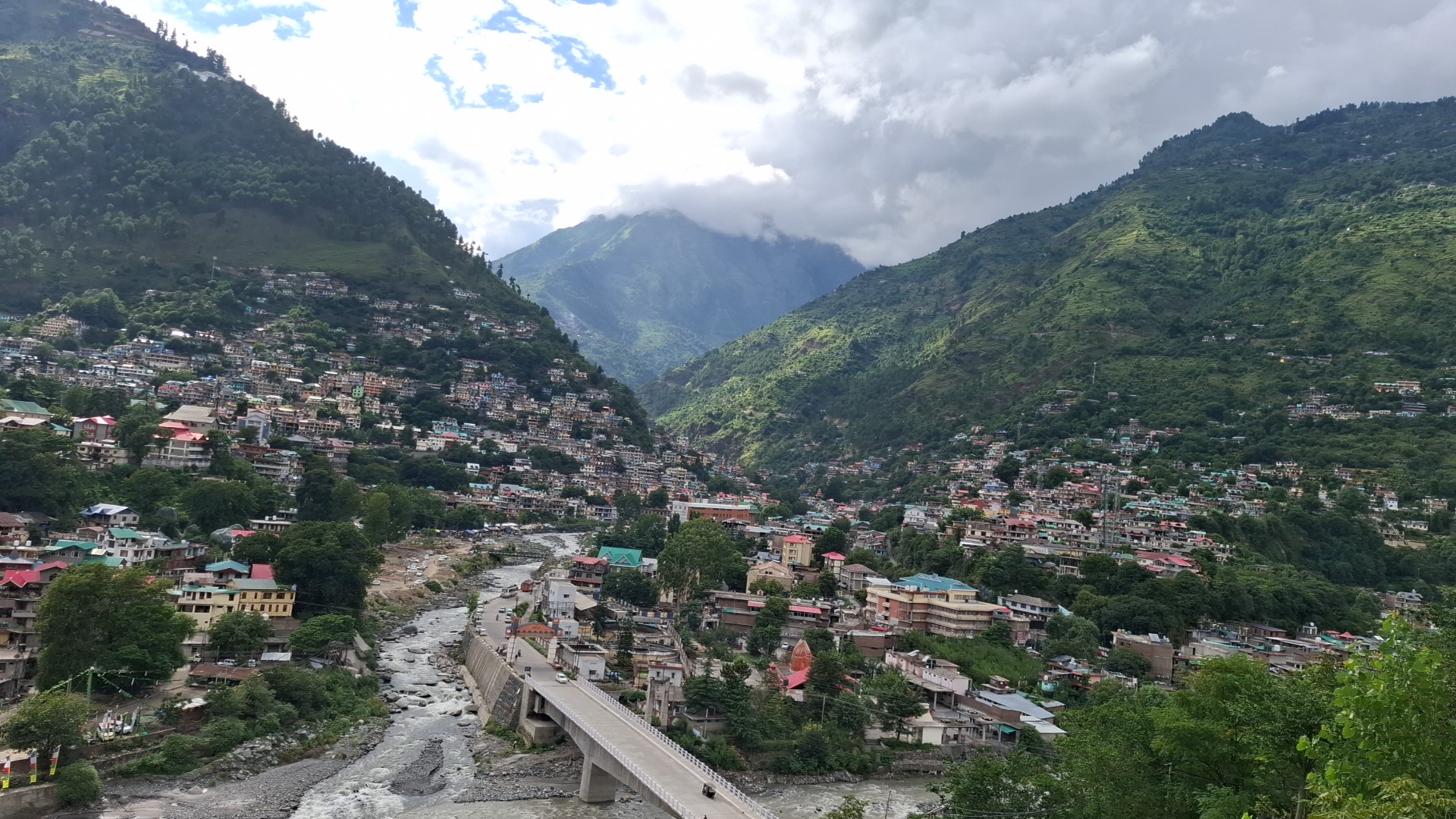
Kullu valley compresses more experiences into one compact region than most states. From glacial river rapids and 4,000 m glacier crossings to one of the world's oldest democracies and a 7-day festival of 200 gods — this is the complete 2026 guide.
Kullu — the Valley of Gods — sits in the Western Himalayas at 1,220 m, flanked by deodar forests, the roaring Beas river and the snow-capped Pir Panjal range. It is one of those rare places where a single day can hold white-water rapids in the morning, a thousand-year-old temple at noon and a starlit riverside camp by evening.
This guide covers the 20 best things to do in Kullu across every category: adventure sports, trekking, spiritual sites, cultural experiences and nature. Whether you have 3 days or 3 weeks, this is where to start.
1.White-water Rafting on the Beas River
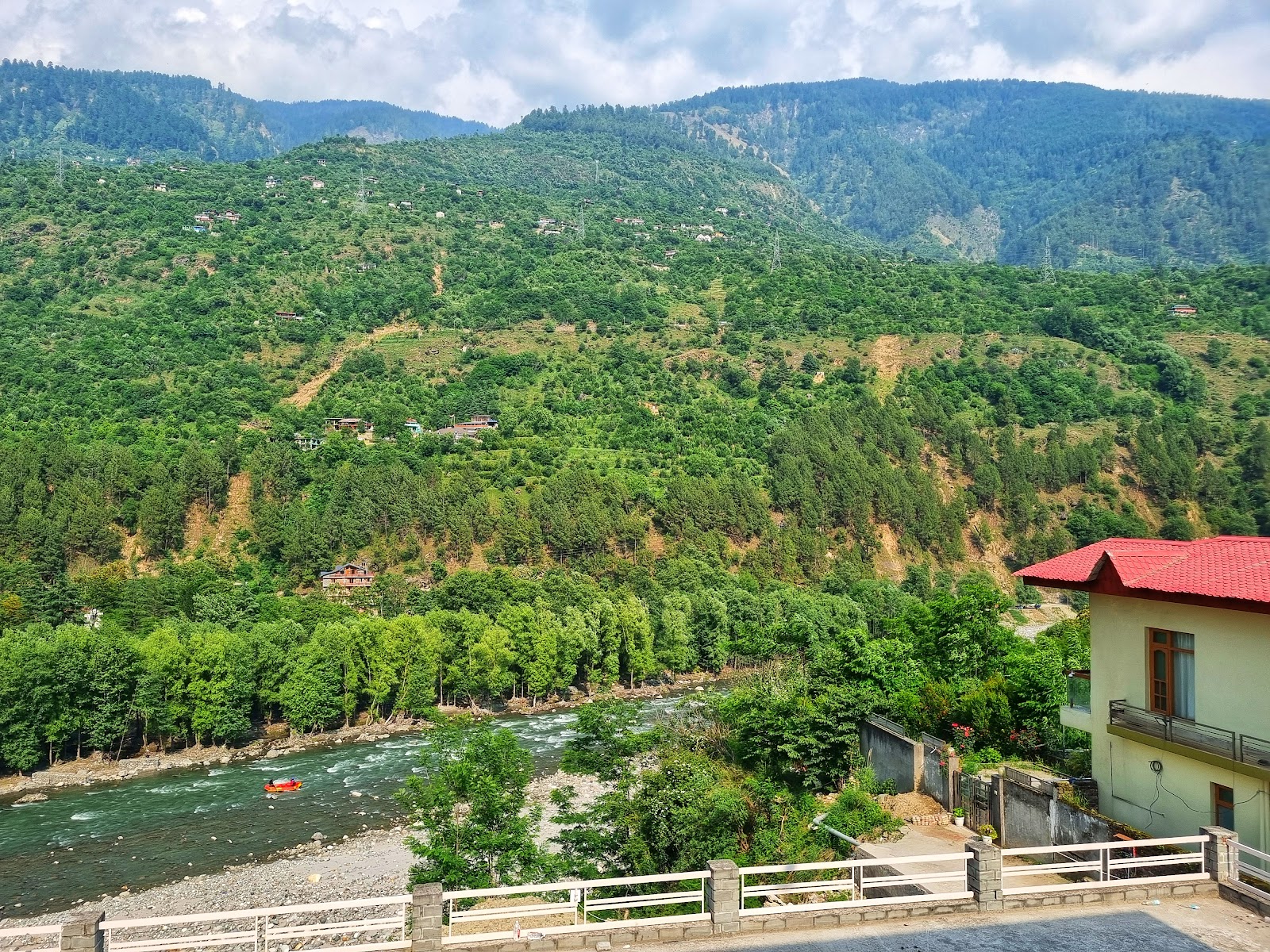
The 14 km stretch from Pirdi to Jhiri is Himachal's most popular rafting run — and for good reason. Grade III–IV rapids churn hardest in July–September when glacial melt from the Rohtang snowfields swells the Beas to its fullest. Your raft will slam through churning white walls, spin in hydraulics and flush through wave trains that soak every passenger within the first kilometre.
For first-timers or families, beginner-friendly Grade II sections between Kullu town and Bajaura run year-round and are calmer but still thrilling. All reputable operators include a safety briefing, certified guide, helmets and life jackets. Overnight riverside camping at Dobhi takes the experience up a level — you fall asleep to the sound of the Beas and wake up for an early-morning run before day-trippers arrive.
Practical tips
→Book with operators who hold a Himachal Tourism licence — unlicensed rafters skip safety equipment checks.
→July–September for maximum flow (Grade III–IV); April–June for calmer conditions suited to children.
→Pirdi to Jhiri (14 km) is the classic run; Kullu to Bajaura (8 km) is the beginner section.
2.Hike to Bijli Mahadev Temple
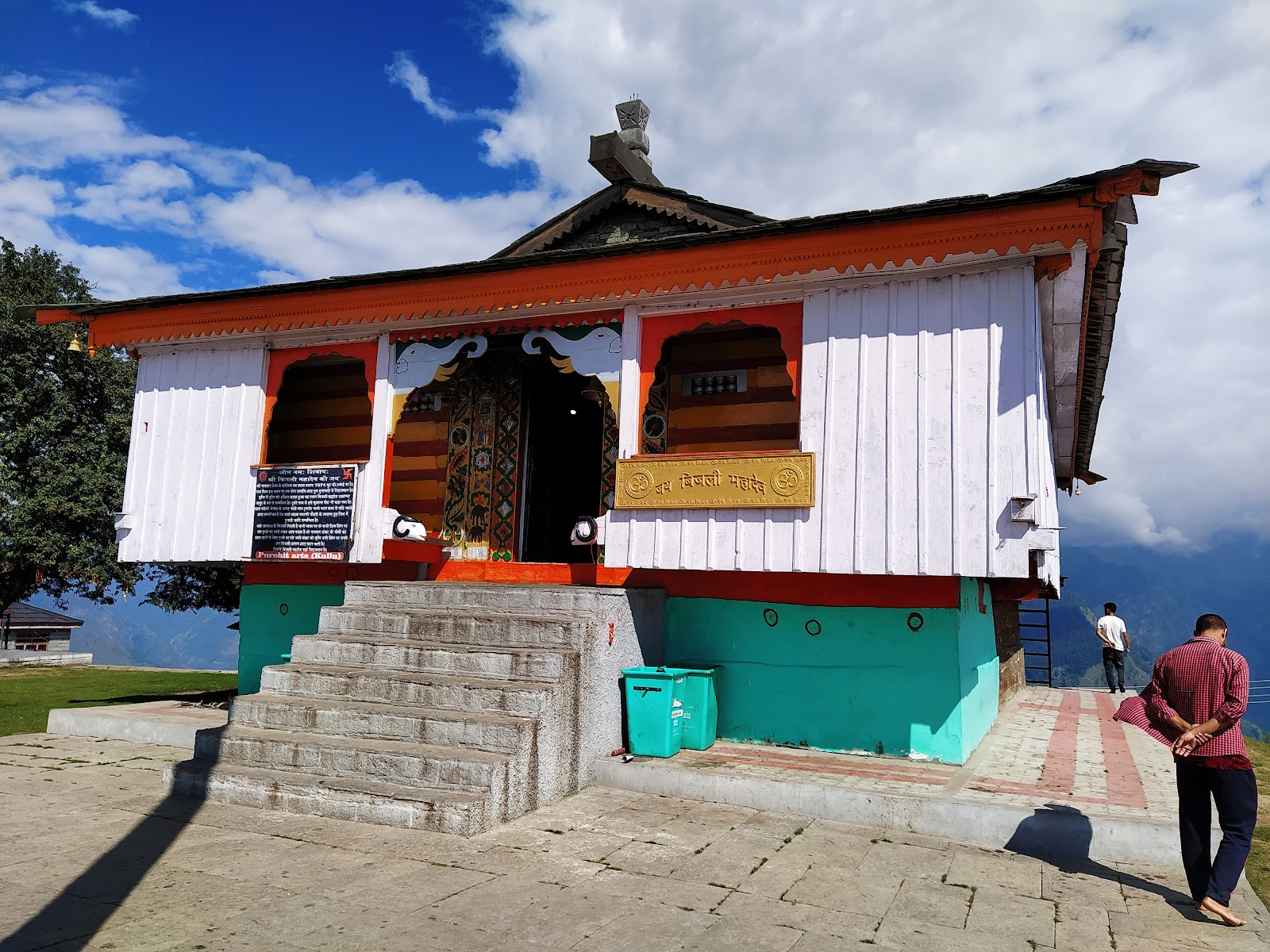
At 2,460 m on a ridge above the confluence of the Beas and Parvati rivers, Bijli Mahadev ('Lightning Shiva') is the most dramatic shrine in Kullu valley. A 60-foot staff above the temple periodically draws lightning that shatters the Shiva lingam inside — the priest then rebuilds it with butter and sattoo, and locals believe Shiva absorbs the destruction to protect the valley below.
The 3 km uphill trek from Chansari village passes through dense pine and oak forest before breaking out onto a ridge with a 360° panorama of both valleys. Start early — clouds build by midday and obscure the views. The walk takes about 45–60 minutes each way and is manageable for most fitness levels. Elderly visitors can hire ponies from the base.
Practical tips
→Start by 9 AM to get clear skies on the ridge — cloud rolls in from the Parvati side by noon.
→Drive 11 km from Kullu to Chansari, then the 3 km trek begins. Shared taxis from Kullu bus stand.
→No entry fee. Carry water and a light shell jacket — temperatures drop fast at the summit.
3.Witness Kullu Dussehra — Festival of 200 Gods
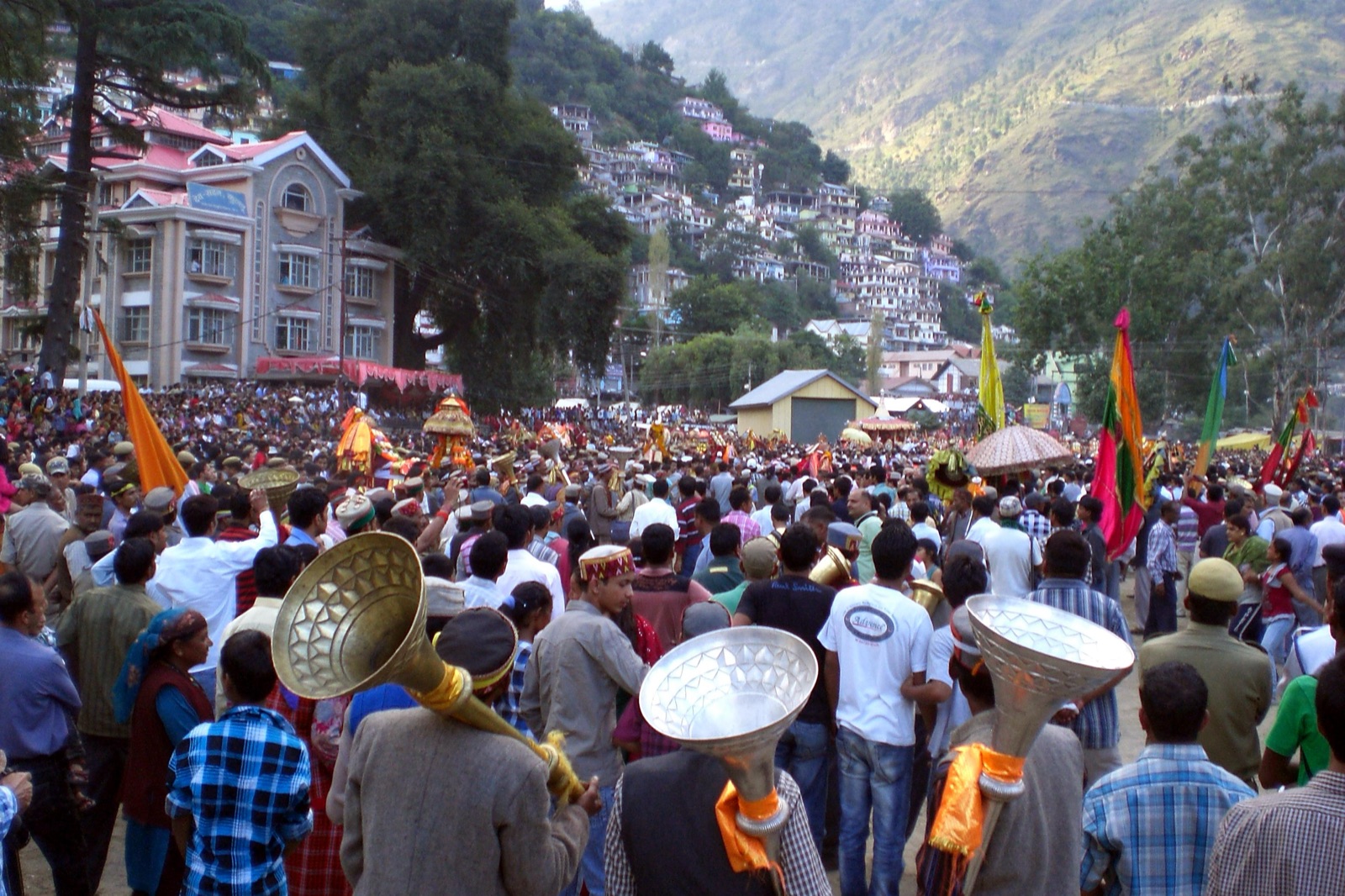
Kullu Dussehra is not the same festival as the one celebrated elsewhere in India. Here, over 200 village deities — each carried in a silver palanquin on the shoulders of devotees — converge at Dhalpur Maidan over 7 days in October to pay respects to the presiding deity, Raghunathji. Nowhere else in India do so many devatas gather in one place. The Indian government recognises it as an International Festival.
The festival begins only when the Raghunath chariot moves first — and only after Jagannathi Devi (the elder sister of the valley deities) takes her place. What follows is seven days of folk music, traditional Nati dances, a cattle fair, cultural performances and markets. The final evening sees a ceremonial bonfire (Lanka Dahan) by the Beas. Accommodation books out months in advance.
Practical tips
→Dussehra falls in October — exact dates shift with the lunar calendar each year. Check before booking.
→Book hotels 3 months ahead minimum. Kullu town properties fill first; Naggar and Katrain are overflow options.
→Arrive by Day 2 to see the full deity processions. The opening chariot procession on Day 1 is the most photogenic.
4.Trek Chandrakhani Pass to Ancient Malana
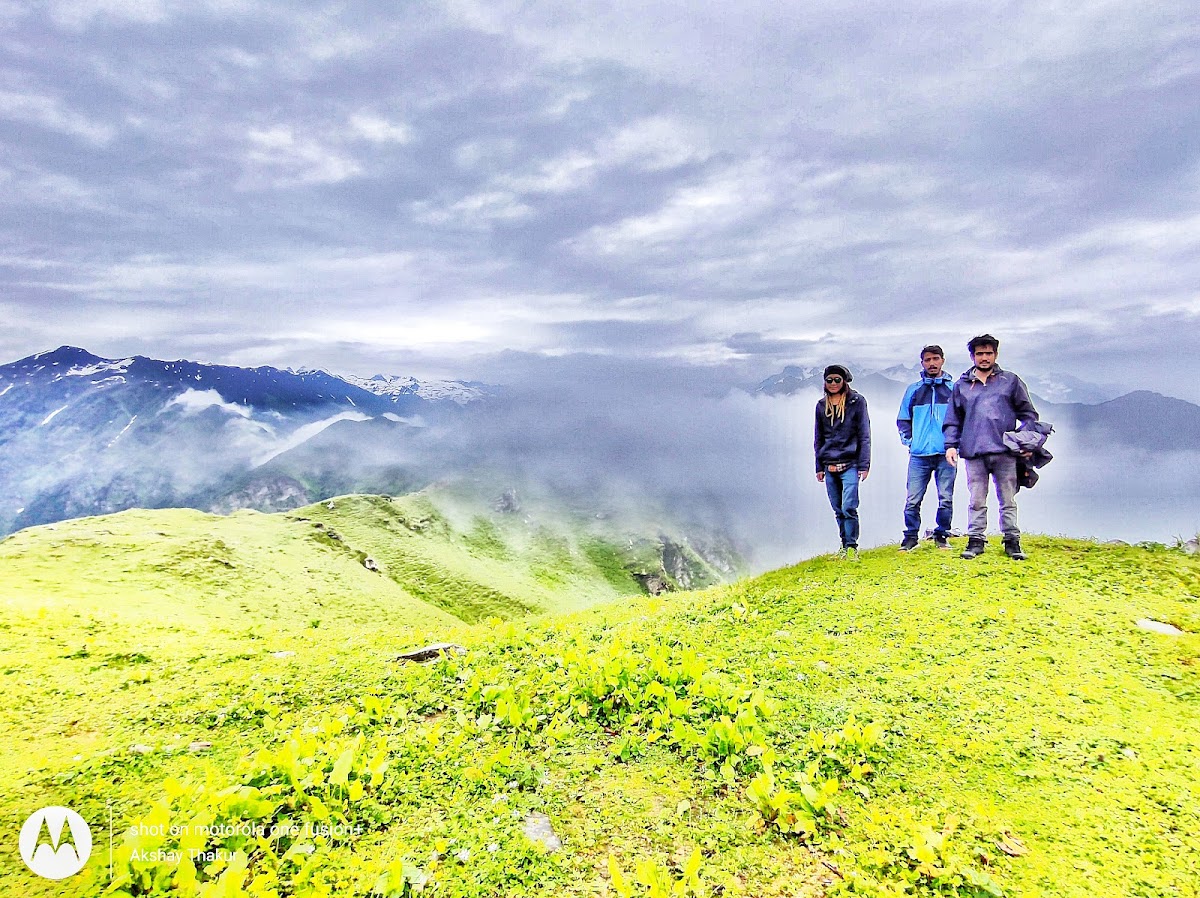
Chandrakhani Pass (3,660 m) is the best introduction to multi-day trekking in Kullu. Starting from Naggar, the 4–5 day route climbs through apple orchards, deodar forests and open alpine meadows before reaching a saddle that simultaneously frames the Pir Panjal, Dhauladhar and Parvati ranges in a single sweep — three Himalayan chains visible from one point.
The descent drops into the legendary village of Malana — one of the oldest democracies in the world, governed not by elected officials but by the deity Jamlu Devta. The approach from the pass is the most dramatic entry into the village. The trek is rated Moderate, suits first-timers who are reasonably fit, and requires no prior high-altitude experience.
Practical tips
→May–October is the window; June–September has the richest meadow colours.
→The trail ends in Malana — arrange a vehicle from Jari back to Kullu in advance.
→Night temperatures drop to 5–8°C at Naya Tapru camp (3,300 m) even in summer. Pack a proper sleeping bag.
5.Explore Malana — One of the World's Oldest Democracies
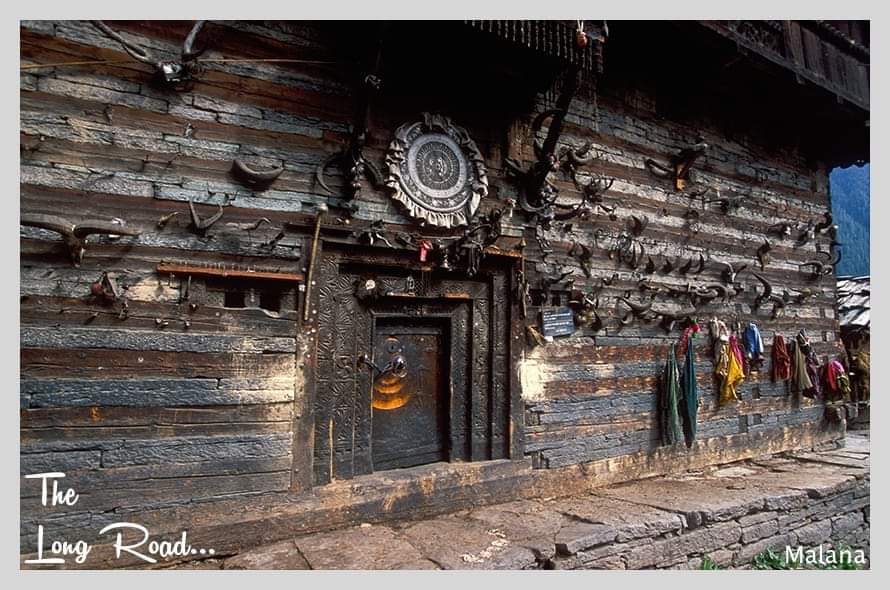
Malana village sits on a perched plateau above the Parvati gorge and has operated as a self-governing republic for centuries — ruled not by elected politicians but by the deity Jamlu Devta and a council that follows its own legal code. Residents speak Kanashi, a language with no known relation to any other Indian tongue. Outsiders must not touch walls, residents or any objects inside the village.
You can visit Malana as a day-trip from Kasol (via Jari) or as the endpoint of the Chandrakhani Pass trek. Either way, the village itself is extraordinary — stone-and-wood houses, smoke-blackened interiors and an atmosphere that feels genuinely outside Indian mainstream culture. Respect the rules and the people; photography inside the village requires the ₹500 camera fee.
Practical tips
→The no-touch rule is real and enforced — do not touch walls, people or objects in the village.
→Day-trip from Kasol via Jari: drive to the trailhead, 3 km uphill trek, allow a full day.
→Stay overnight in a Malana guesthouse for a completely different experience after day-trippers leave.
6.Trek to Beas Kund — Source of the River
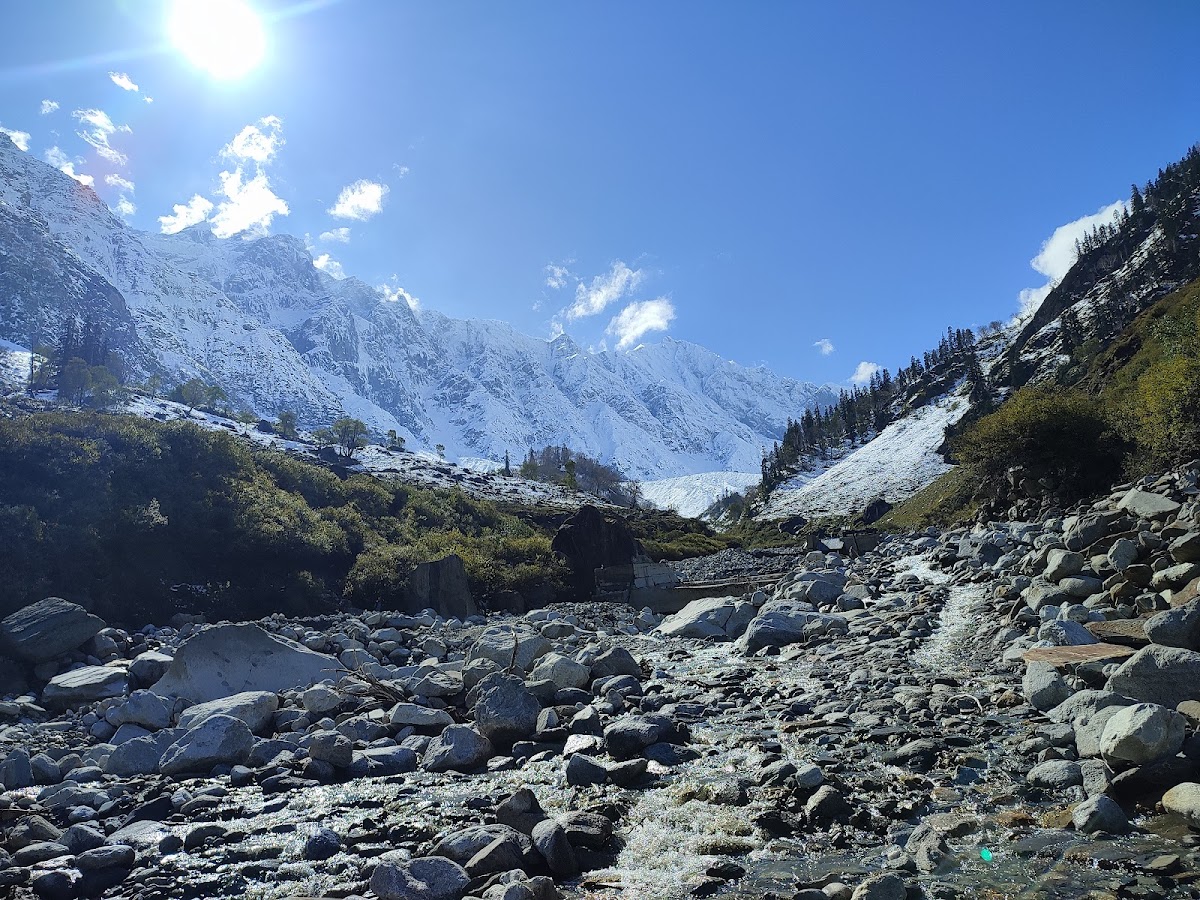
Beas Kund is a glacial lake at 3,690 m that is the literal source of the Beas river — the same river you see churning through Kullu town far below. The 3–4 day trek starts at Solang Valley, climbs through the Dhundi meadow and the extraordinarily photogenic Bakarthach plateau before reaching the kund surrounded by Hanuman Tibba, Friendship Peak and Shitidhar.
This is widely regarded as one of the best first high-altitude treks in the Indian Himalayas. The trail is well-marked, the altitude gain is gradual, and five peaks above 5,000 m are visible from the lake. Start from Solang (52 km from Kullu) and allow 4 days for the full experience.
Practical tips
→Ideal first high-altitude trek — no technical climbing, well-marked trail, manageable altitude.
→May and October offer the clearest skies; August has the lushest meadows but rainier days.
→The summit push to the kund is done as a day-trip from Bakarthach camp and back.
7.Cross Hampta Pass — Green Valley to Lunar Desert
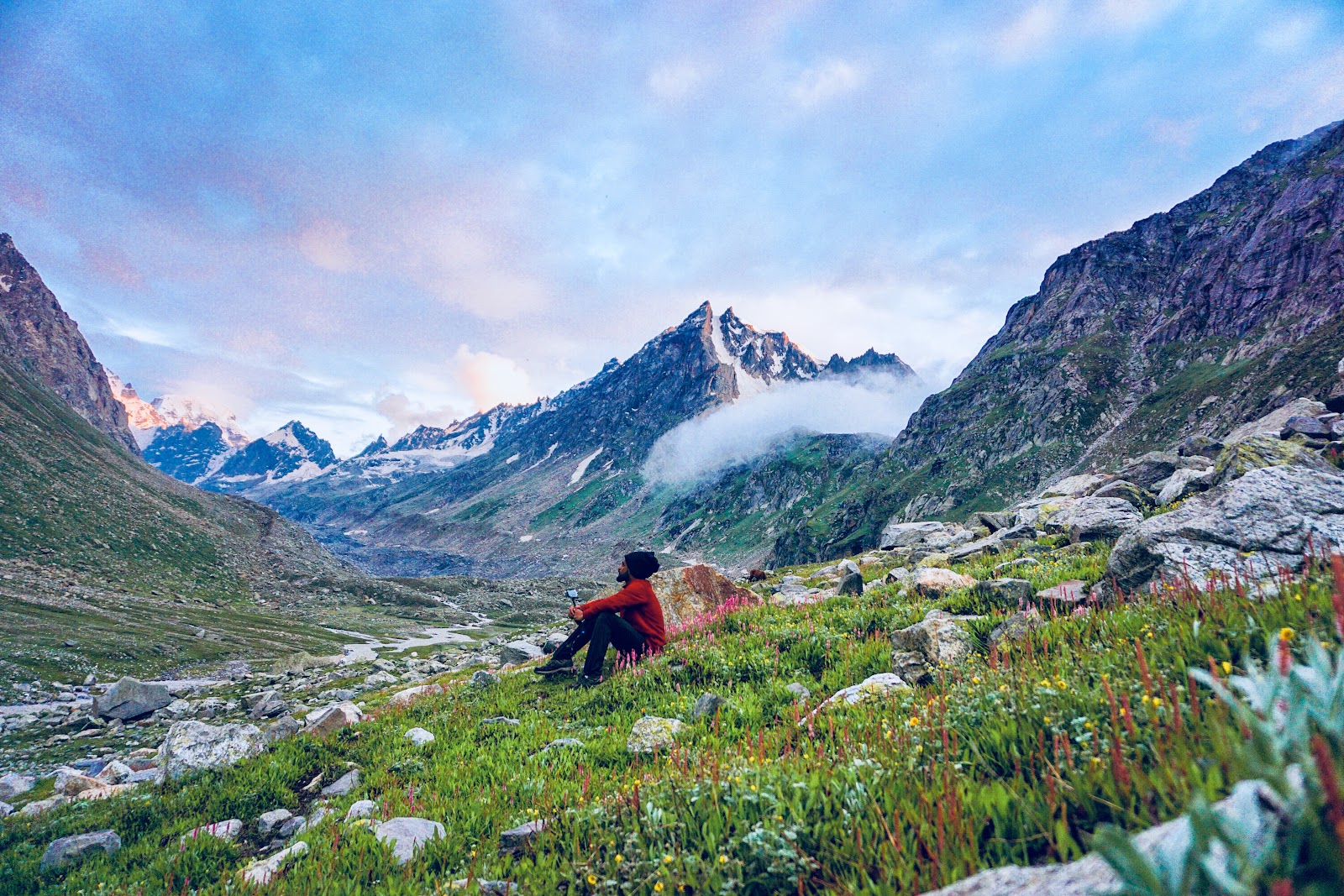
Hampta Pass (4,270 m) is one of the great crossover treks in the Indian Himalayas — and the contrast is unlike anything else. On the Kullu side you walk through lush green valleys, rhododendron forests and glacial streams. Cross the 4,270 m pass and everything changes within minutes: you drop into the barren, wind-scoured brown desert of Lahaul-Spiti, one of the most otherworldly landscapes in India.
The 5-day route from Jobra to Chatru is rated Moderate. Most groups add a day to visit the crescent-shaped Chandratal lake (4,300 m) at the end — arguably the most beautiful lake in the Indian Himalayas. The return drive back to Kullu through Rohtang Pass adds another spectacular dimension to an already exceptional trip.
Practical tips
→Best window: late June to mid-September. The pass holds snow through May–June and can be icy.
→Add Chandratal lake as a one-day extension from Chatru — the extra day is almost always worth it.
→The Kullu–Lahaul contrast is most dramatic in July–August when the Kullu side is richly green.
8.Paraglide Over Kullu Valley
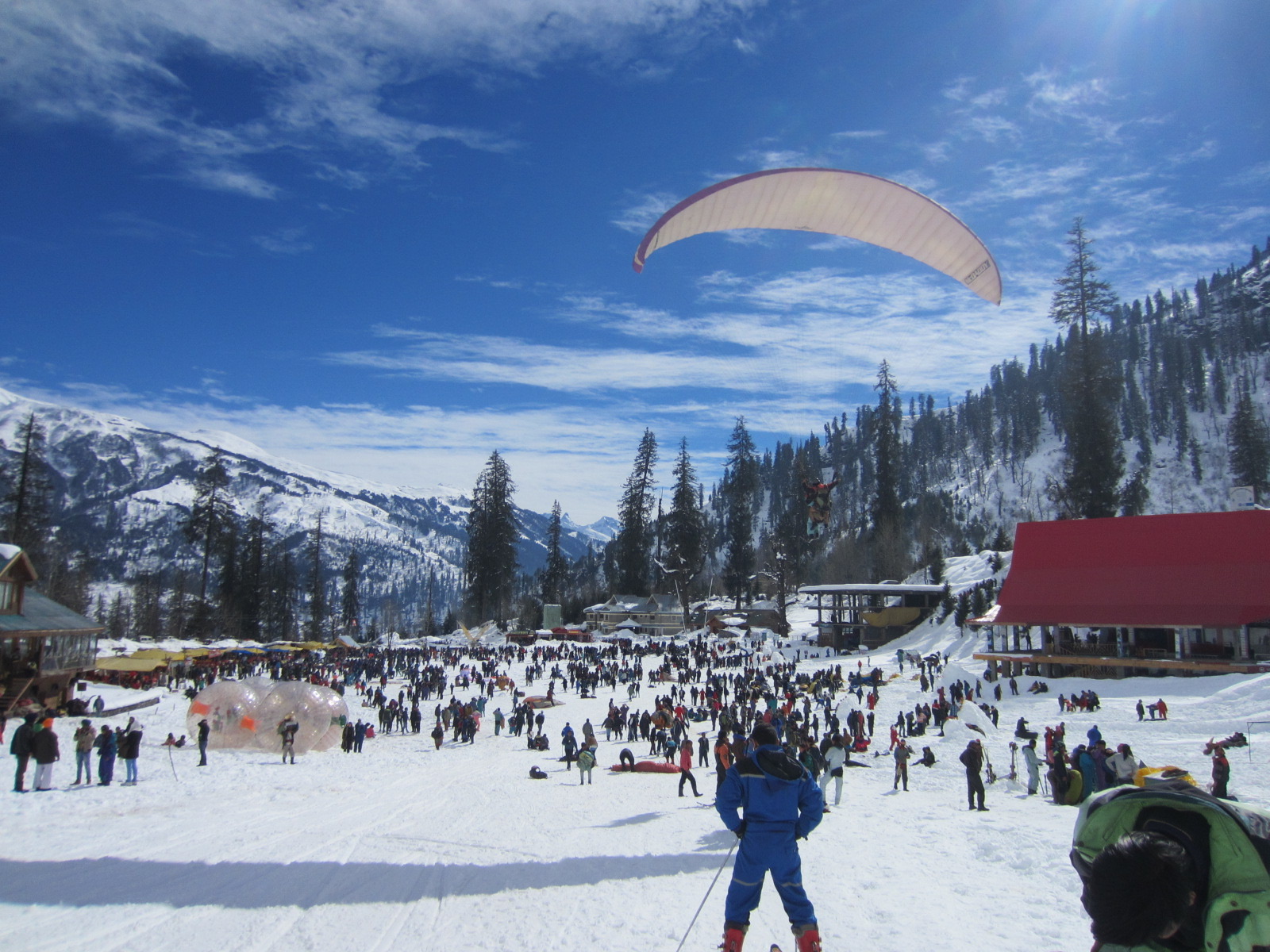
Dobhi launch site sits on a ridge above the valley with a natural ramp that sends pilots sailing over apple orchards, the silver ribbon of the Beas and a backdrop of Pir Panjal snow peaks. Tandem flights of 15–30 minutes are available for complete beginners — you're strapped to a certified pilot and simply run off the ridge when told. The landing meadow is by the river.
October–November is the prime window: post-monsoon skies are crystal-clear, thermals are stable and the orchard colours below are exceptional. April–June is the secondary window. Solang Valley near Manali also offers tandem paragliding with a higher snow-peak backdrop for those combining both destinations.
Practical tips
→Only fly with pilots holding APPI or BHPA certification — ask to see the licence before paying.
→Go in the morning (10 AM–1 PM) for best thermals and light. Afternoon flights can be gusty.
→GoPro footage packages cost ₹500–700 extra but are worth it for the valley panorama.
9.Ski & Snow Sports at Solang Valley
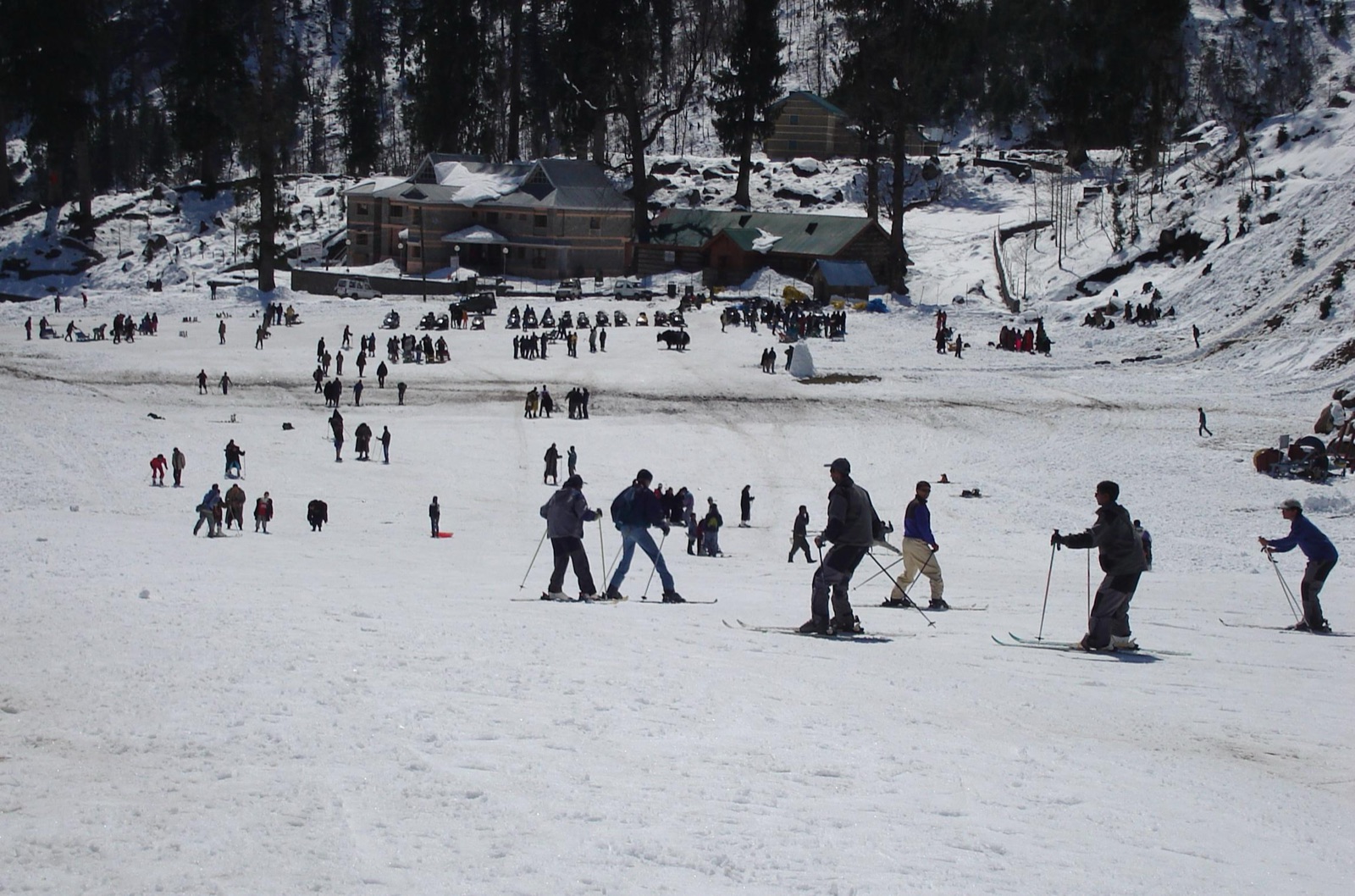
When Kullu valley turns to winter, Solang Valley (52 km from Kullu town, above Manali) becomes Himachal's most accessible ski and snow-sports destination. The open bowl fills with 2–4 feet of snow from December through February, and facilities include ski and snowboard rental, a mechanised ski lift, zorbing runs and snow tubing for families who aren't yet confident on skis.
For experienced skiers, the Rohtang Pass area — when accessible — offers off-piste terrain above 4,000 m. The Himachal Tourism Ski Festival in January is one of north India's biggest winter sports events. Even non-skiers find Solang worthwhile: the valley is ringed with white peaks and a short cable car offers views over the entire upper Beas basin.
Practical tips
→Ski rental: ₹500–800/day. The ski lift pass is ₹300–400 per ride.
→Weekdays are significantly less crowded than weekends — plan accordingly.
→Snow conditions are best after a fresh snowfall in January–February. Check road status before driving up.
10.Pilgrimage to Manikaran Sahib Hot Springs
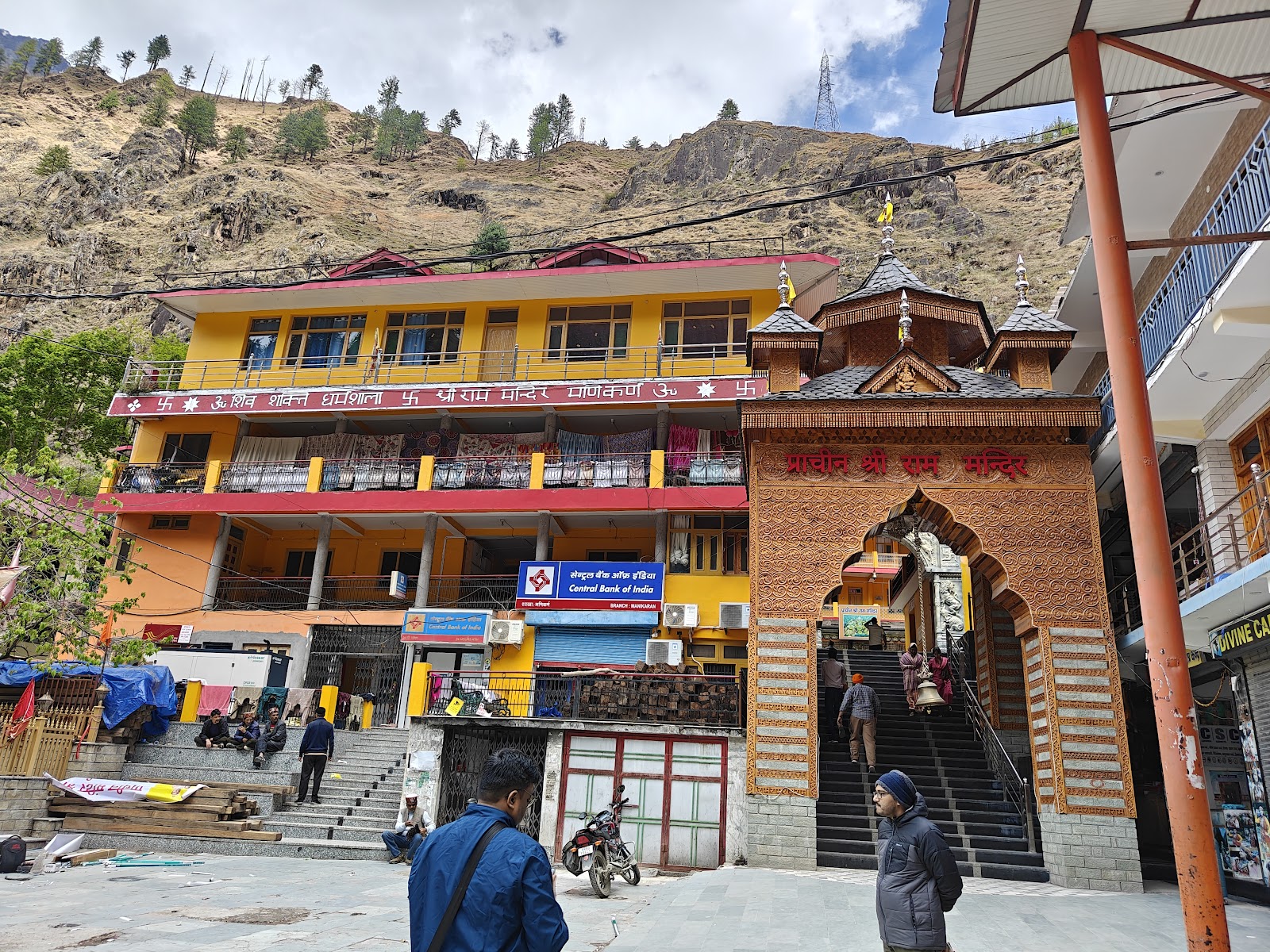
Manikaran Sahib (45 km from Kullu, in the Parvati Valley) is sacred to both Sikhs and Hindus, and remarkable on a purely geological level: natural hot springs here reach temperatures above 95°C, and the Gurudwara kitchen uses them to cook langar rice in under 5 minutes. The Gurudwara serves free meals (langar) around the clock to all visitors regardless of faith — one of the most generous institutions in the Himalayas.
Across the bridge, a collection of Hindu temples mark spots associated with Shiva and Parvati mythology. The combination of Sikh and Hindu sacred sites sharing the same river bank, the thundering Parvati river, the steam rising from natural vents and the constant sound of kirtan from the Gurudwara creates one of the most spiritually intense atmospheres in Himachal Pradesh.
Practical tips
→Free to enter, free langar meals available 24 hours — cover your head inside the Gurudwara.
→Bathing ghats in the hot springs are gender-segregated and available for public use.
→Combined with Kasol (5 km further) and the Kheerganga trail for a full Parvati Valley day.
11.Trek to Kheerganga Hot Spring Pool
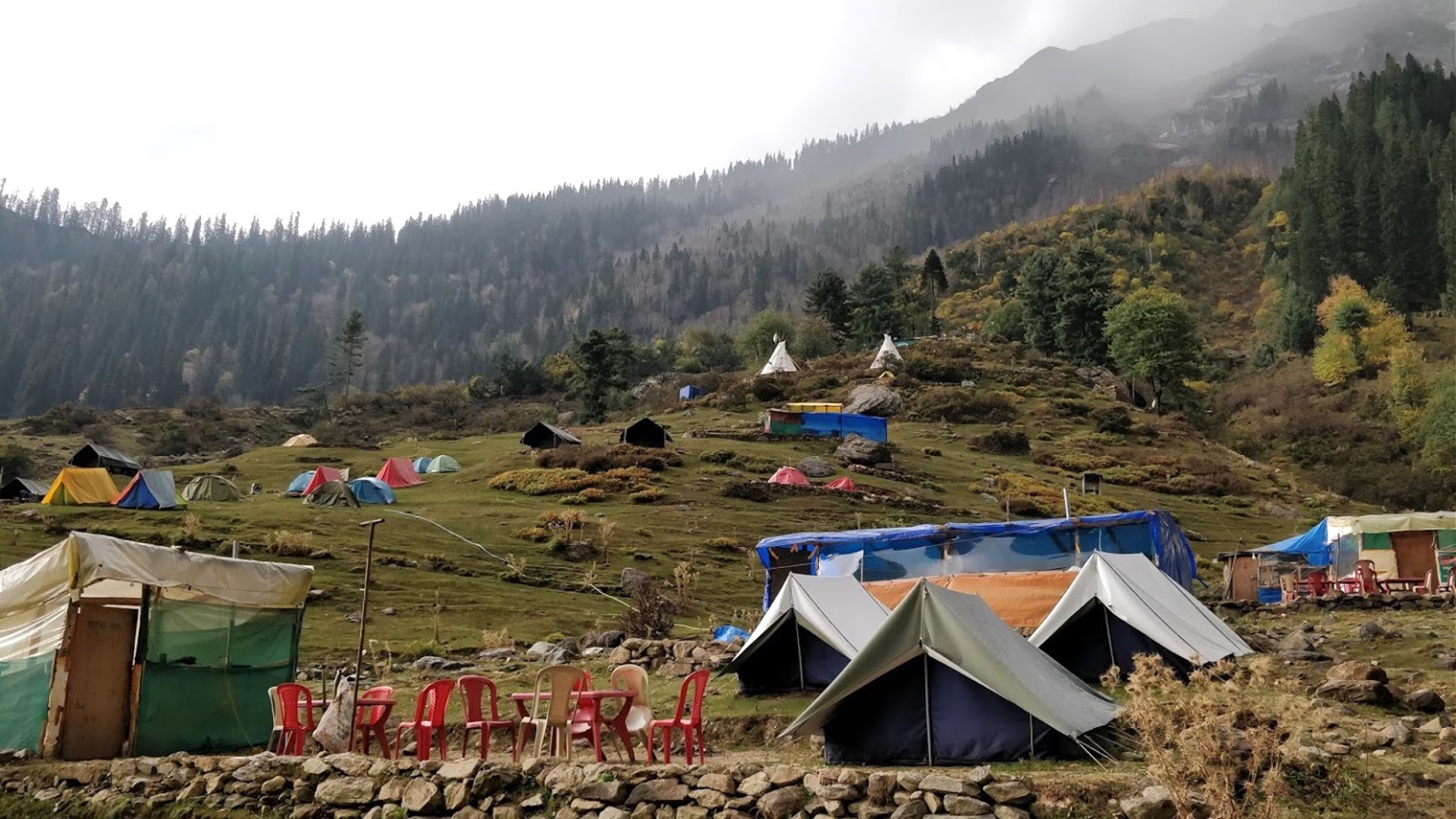
The Kheerganga trek is 12 km one-way from Barshaini (end of the Parvati Valley road) through dense forest, river crossings and increasingly dramatic gorge scenery to a high meadow at 2,960 m. The reward is a natural sulphur hot-spring pool — segregated by gender — with direct views of snow peaks above and forest below.
Most trekkers walk up in 4–5 hours, soak in the pool through the afternoon, and return the next morning. Simple guesthouses and camps in the meadow make it a comfortable overnight. The trail is well-worn and manageable for fit beginners, though the return is steep in places. Avoid during heavy July–August monsoon when the forest trail can turn slippery.
Practical tips
→Start from Barshaini — take a shared taxi from Kasol (₹50 per person). Allow 4–5 hours uphill.
→Entry to the hot pool: ₹50. Women's pool is less crowded early morning.
→Book guesthouses in advance for weekends and May–June peak — capacity is limited.
12.Explore Naggar Castle & Village
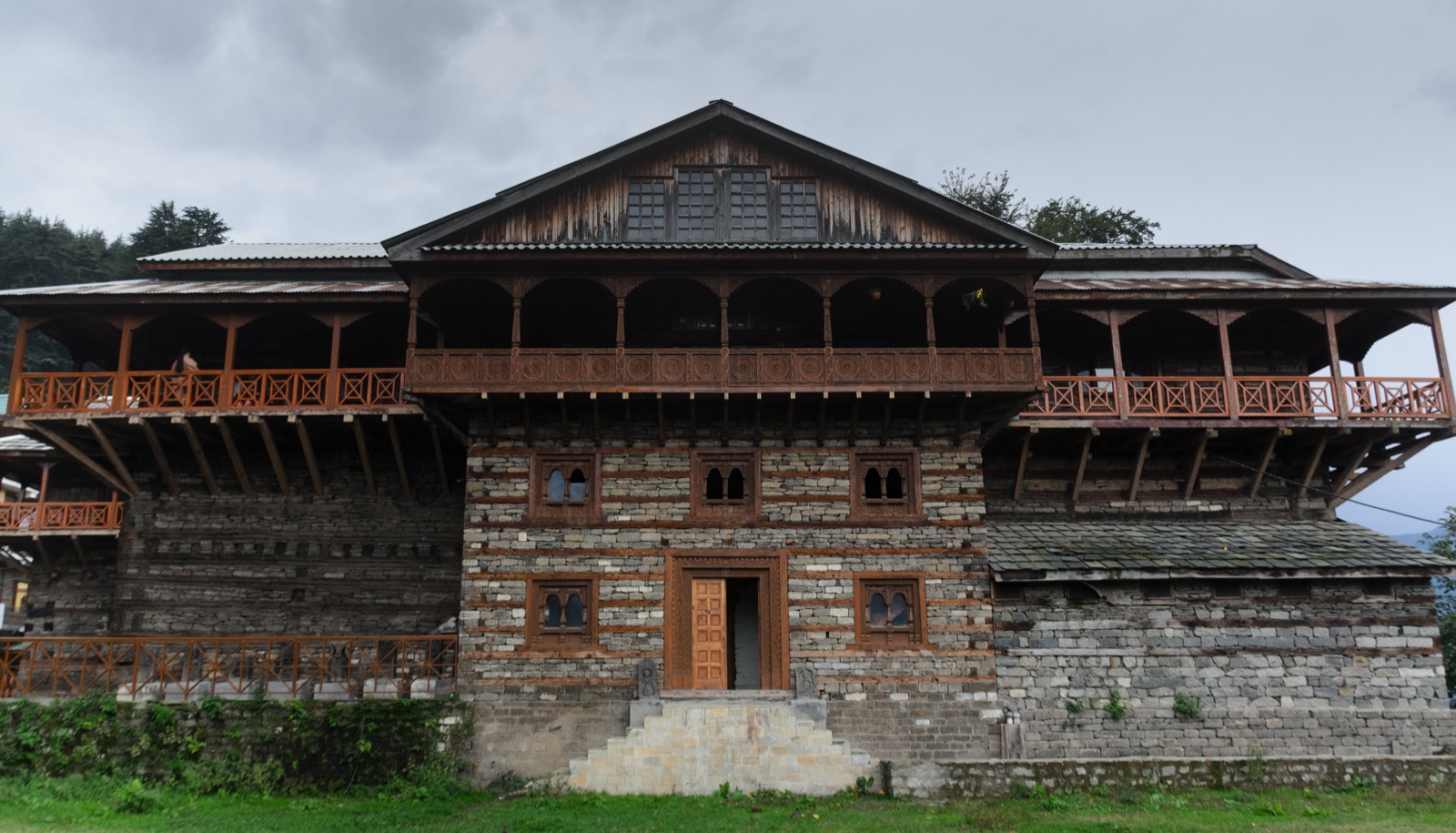
Naggar village (27 km from Kullu on the right bank of the Beas) packs more heritage per square kilometre than almost anywhere in Himachal. The 15th-century Naggar Castle — former capital of the Kullu kings — sits on a promontory above the village with 360° views of the valley. It now operates as a heritage hotel but its museum, temple courtyard and stone-and-wood Kath-Kuni architecture are open to day visitors.
Within walking distance are the Tripura Sundari and Gauri Shankar temples, both small but architecturally beautiful. The Roerich Estate (2 km further) houses over 40 original paintings by Russian artist Nicholas Roerich, who lived here from 1928 until his death in 1947. The village itself — slate-roofed houses, apple orchards, narrow lanes — is one of the most pleasant places to spend half a day in the valley.
Practical tips
→Naggar is on the right bank — cross the Beas at Patlikuhal and take the quieter mountain road, not the main highway.
→The castle museum and hotel café are open to day visitors. The best viewpoint is from the castle roof.
→Combine Naggar Castle + Roerich Gallery + Jana Waterfall (15 km) into a single half-day circuit.
13.Visit the Roerich Art Gallery, Naggar
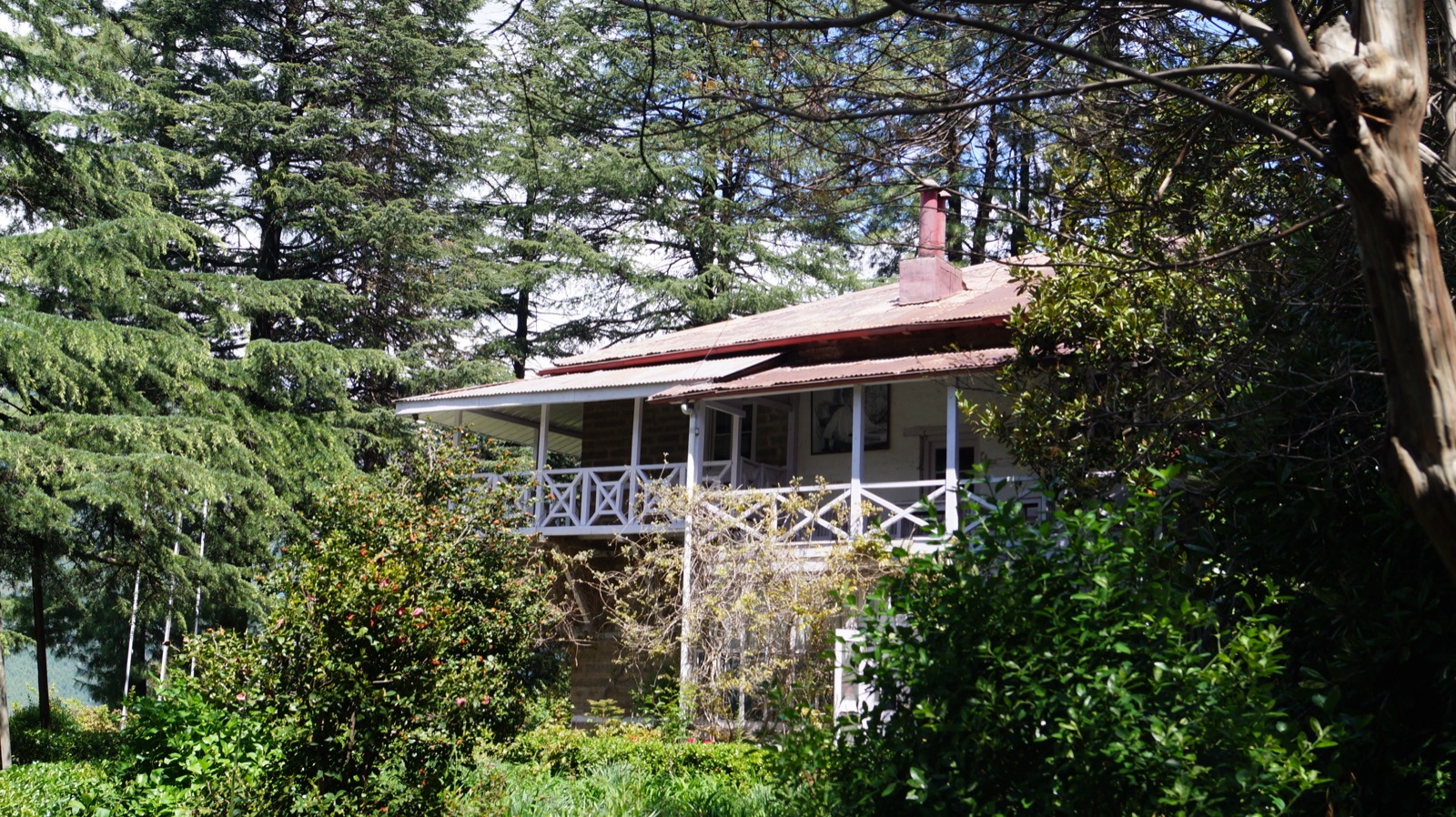
The Nicholas Roerich Museum sits in the Russian artist's former home on a forested estate above Naggar village, at the same altitude as the peaks he spent two decades painting. The collection of over 40 original Himalayan canvases — mountains in violet and amber light, glacial valleys, monastery scenes — is displayed in the rooms where they were created. Seeing the paintings where Roerich stood when he made them is a quietly extraordinary experience.
The estate includes a gallery building, Roerich's studio, his son Sviatoslav's gallery and a pleasant garden with valley views. The museum is closed on Mondays and breaks for lunch from 1–2 PM. Combine with Naggar Castle (1 km downhill) for a full cultural morning.
Practical tips
→Open Tue–Sun, 10 AM–1 PM and 2 PM–5 PM. Closed Mondays and public holidays.
→Photography inside the gallery is not permitted. The exterior and garden are photographable.
→Take a guide at the gate — the docents know the stories behind each painting and are excellent.
14.Wildlife Trek in Great Himalayan National Park
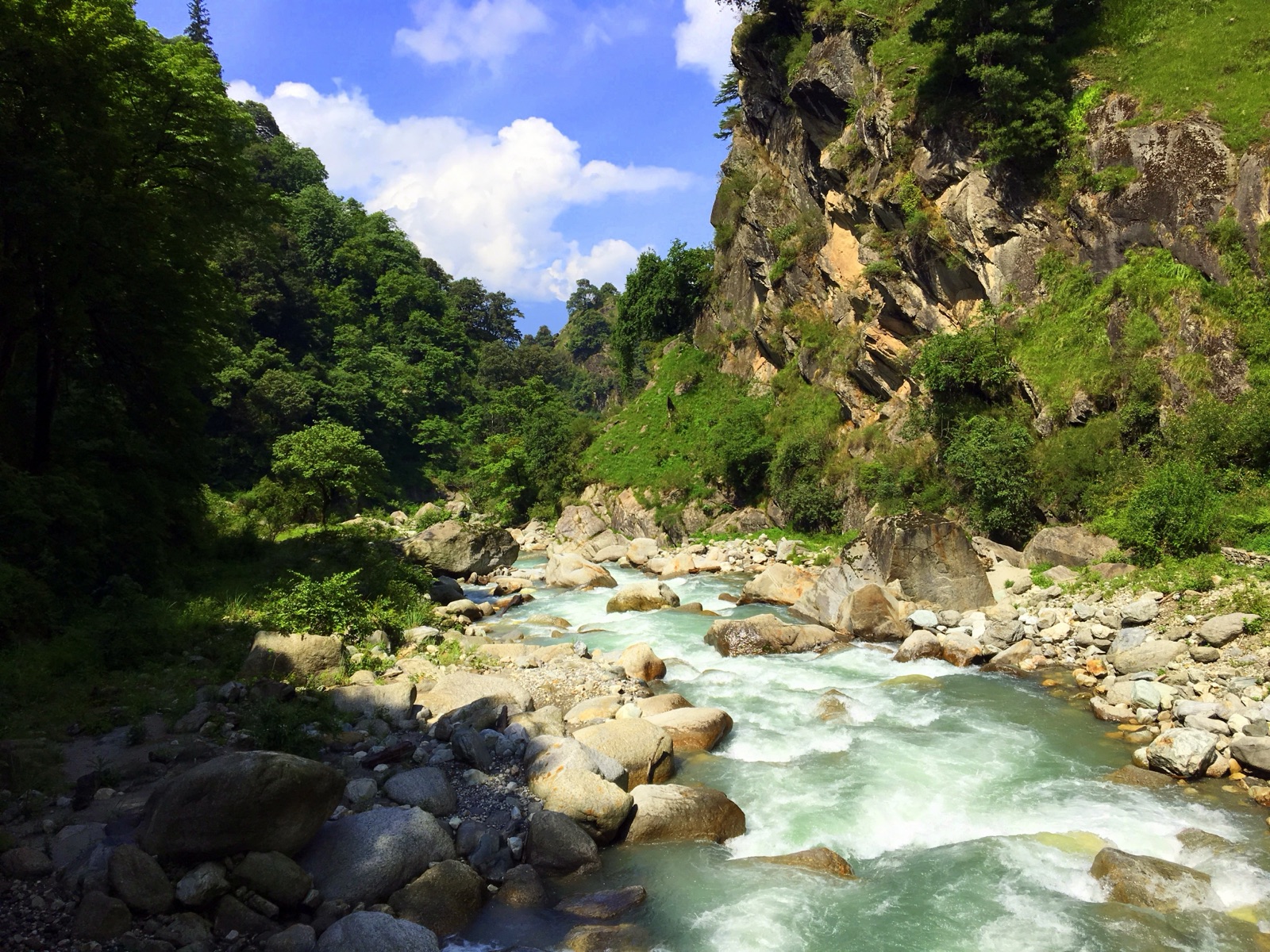
The Great Himalayan National Park (60 km from Kullu) is a UNESCO World Heritage Site protecting 1,170 km² of intact Himalayan ecosystem — glaciers, alpine meadows, old-growth forests and elevations from 1,500 m to 6,000 m. The park harbours snow leopards, Himalayan tahr, musk deer, brown bears, Himalayan grey langur and the critically endangered western tragopan pheasant.
Entry requires a permit and a licensed local guide — unauthorised entry is not permitted. The Tirthan Valley (access from Aut, 35 km from Kullu) is the most popular entry corridor, with trailheads at Gushaini and Rolla. Day hikes into the buffer zone require a lighter permit; overnight and deep-forest treks require a full entry permit from the GHNP office in Shamshi.
Practical tips
→Permits: apply at the GHNP office in Shamshi or the Tirthan Valley field office. Day permits issued on the spot.
→May–June for rhododendrons and bird activity; September–October for clearest skies and mammal sightings.
→Stay at one of the small ecolodges on the Tirthan river — the fishing (catch-and-release) is exceptional.
15.Apple Picking in Bashing & Naggar Orchards
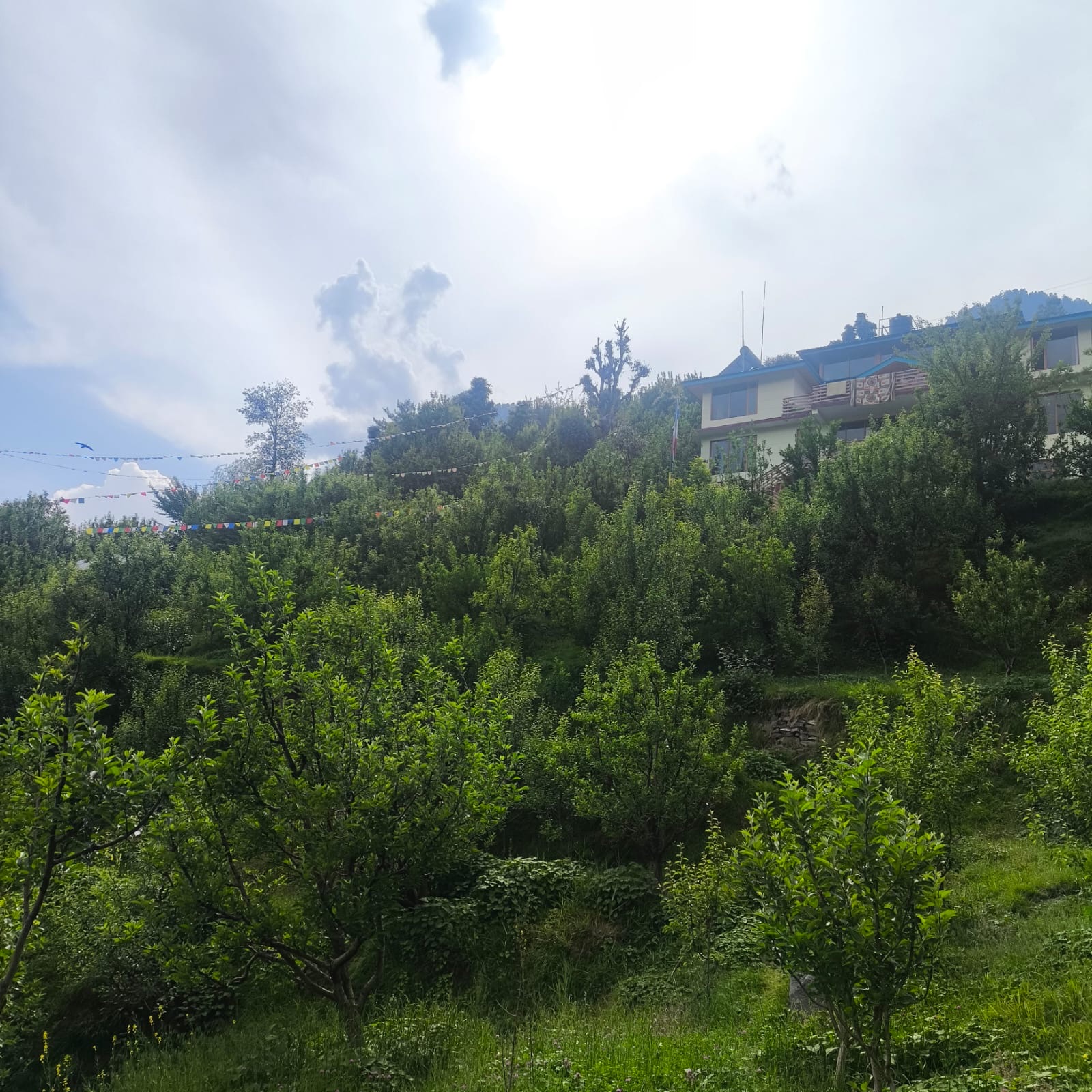
The slopes between Bashing, Katrain and Naggar are blanketed in apple orchards that produce some of India's finest apples — Royal Delicious, Golden Delicious, Fuji and the rarer Trel. August–September is harvest season, when the roadside fills with wooden crates and the air smells of ripe fruit. Several orchard owners open their land to visitors for picking sessions and farm lunches.
Apple Country Resort in Naggar runs organised orchard-stay experiences. Even without a formal tour, stopping at roadside stalls between Kullu and Katrain to buy apples, apple jam or house-fermented cider directly from farm stalls is one of the most pleasurable things you can do in the valley in September. Come in April–May for blossom — a completely different, equally beautiful spectacle.
Practical tips
→August–September for harvest (peak picking); April–May for blossoms (no fruit, spectacular colour).
→Apple Country Resort in Naggar offers the most organised orchard-stay experience.
→Buy cider and dried apple rings directly from farm stalls on the Kullu–Katrain road — far better than city prices.
16.Shop for GI-Tagged Kullu Shawls
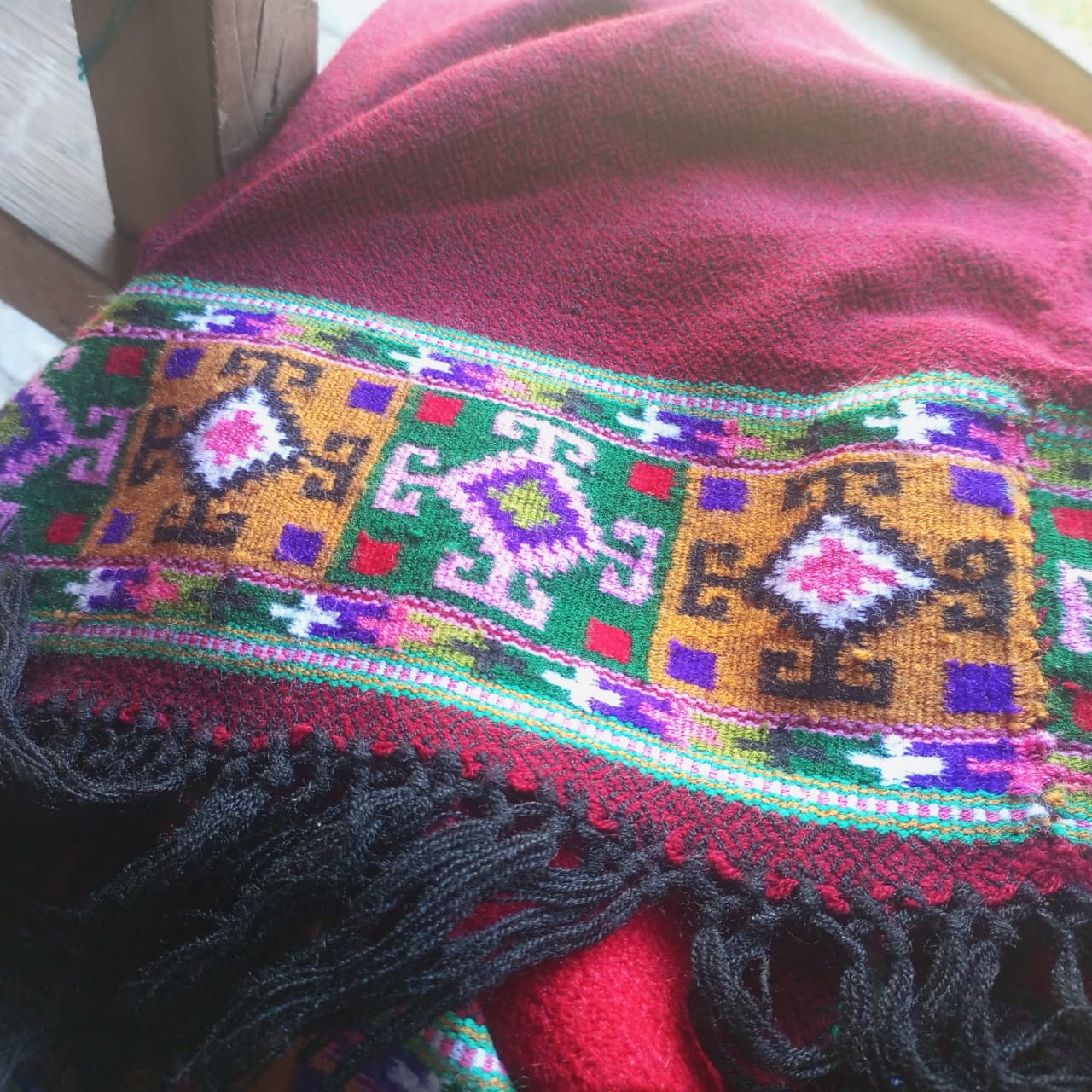
Kullu's hand-woven pattu shawls have been awarded Geographical Indication (GI) status — meaning an authentic Kullu shawl can only be produced in the valley using traditional wool and hand-loom techniques. The geometric border patterns, bold colour blocks and the weight of the natural wool are unmistakable. Every family in certain Kullu villages has a loom, and the craft has been passed down for generations.
The best place to buy is at the cooperative looms in Bashing village or at the Himachal Pradesh Government Emporium on Akhara Bazaar — both guarantee authenticity and fair prices. Avoid branded hotel gift shops, which mark up considerably. A basic pattu shawl starts around ₹800; fine merino-wool pieces with intricate borders go up to ₹8,000.
Practical tips
→Only buy from the Government Emporium on Akhara Bazaar or the Bashing cooperative looms for guaranteed GI-authentic pieces.
→Avoid roadside stalls near Bhuntar airport — most sell machine-made imitations at handloom prices.
→Ask to see the loom and the weaver — genuine hand-woven shawls will have slight irregularities that are the mark of authenticity.
17.Camp Overnight by the Beas River
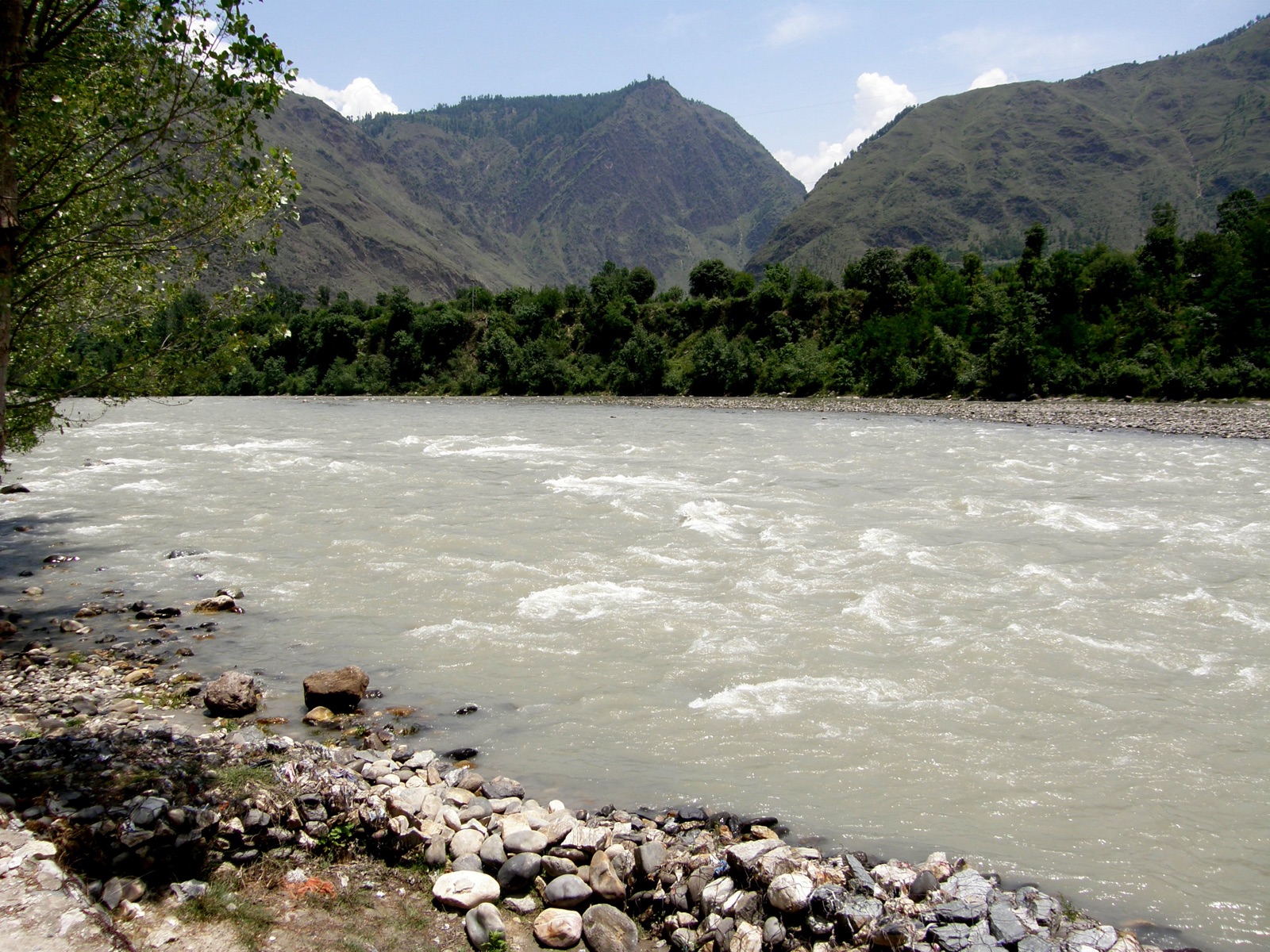
Riverside camps along the Beas between Kullu and Katrain offer one of the most accessible wild-camping experiences in Himachal Pradesh. Several camp operators set up proper tented camps with cots, sleeping bags, campfire pits and kitchen tents — everything for a comfortable night without having to carry any gear. You wake to the sound of the river and, on clear nights, a sky dense with stars.
Dobhi (4 km from Kullu) is the most popular riverside camp location — operators here combine an evening of rafting prep, dinner by the fire and an early-morning Grade III–IV run. The October–November window has the best weather: post-monsoon clarity, cool evenings and low humidity. March–June is the second-best window.
Practical tips
→Book through a rafting operator — they typically bundle camping + morning rafting at a better combined price.
→October–November: best clear skies for stargazing. March–June: warmer nights.
→Carry a headtorch and personal toiletries — camp facilities are basic but hygienic.
18.Explore Kasol & Parvati Valley
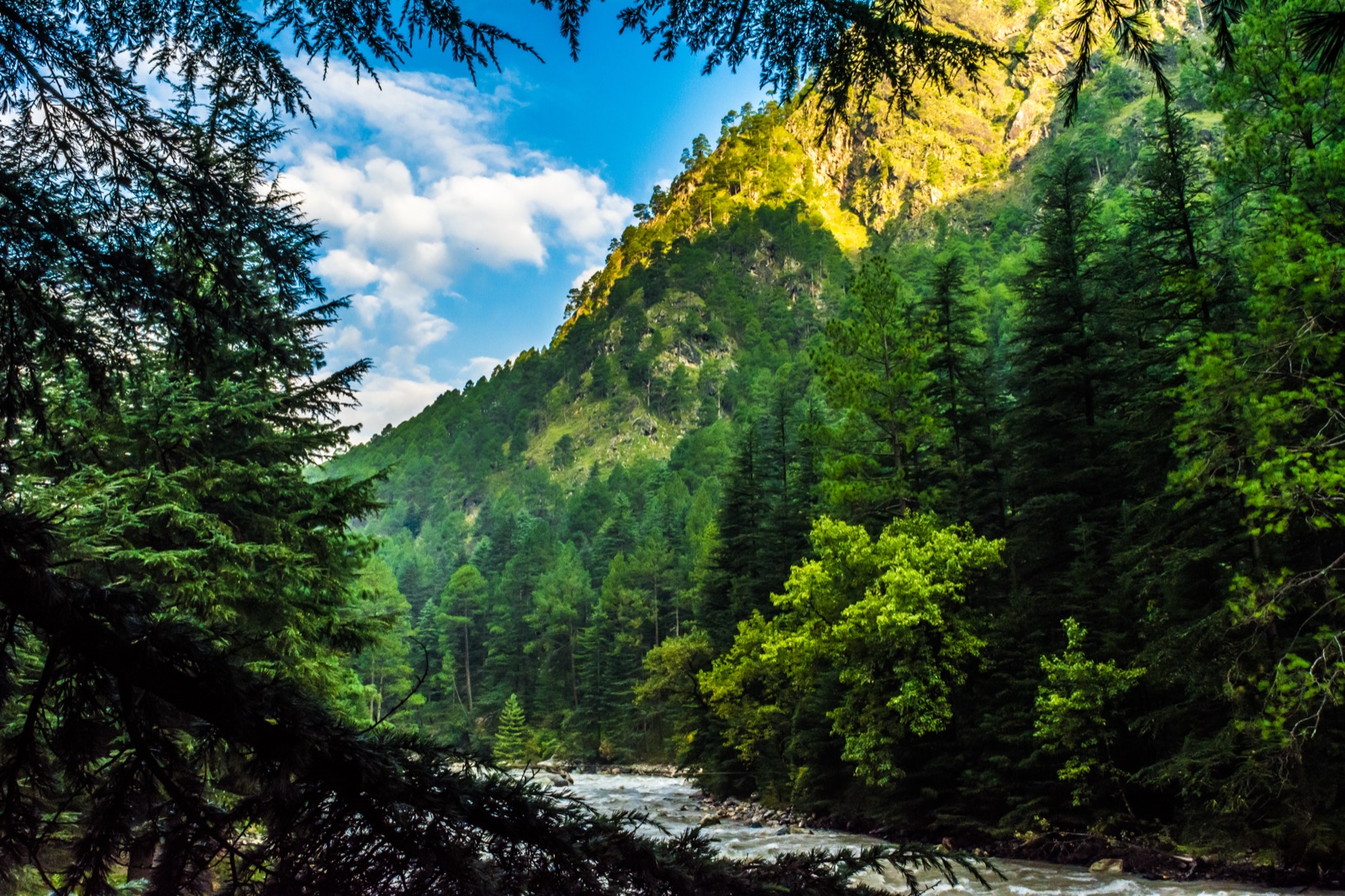
Kasol is a pine-shaded hamlet on the Parvati river, 42 km from Kullu, that has evolved into one of Himachal's most popular backpacker bases. Israeli cafés serving hummus and shakshuka sit beside traditional Himachali dhabas. The village is small — walkable in 20 minutes — but its location is exceptional: surrounded by forests, with the Parvati river thundering below and the Chandrakhani ridge above.
From Kasol, the Parvati Valley opens northwards for 80 km: Manikaran Sahib (5 km), Pulga and Khirganga, and ultimately the glaciated upper valley accessible only to trekkers. It is a valley within a valley, and each 10 km deeper you go, the crowds thin and the landscape intensifies.
Practical tips
→Shared taxis from Bhuntar (near Kullu) to Kasol: ₹100–150 per person, 1.5 hours.
→The cafés on the Kasol main strip serve excellent Western breakfast; the dhabas at the far end have better local food.
→Avoid mid-July to August if you want to go deeper into the valley — landslide risk on mountain roads.
19.Deo Tibba Base Camp Expedition
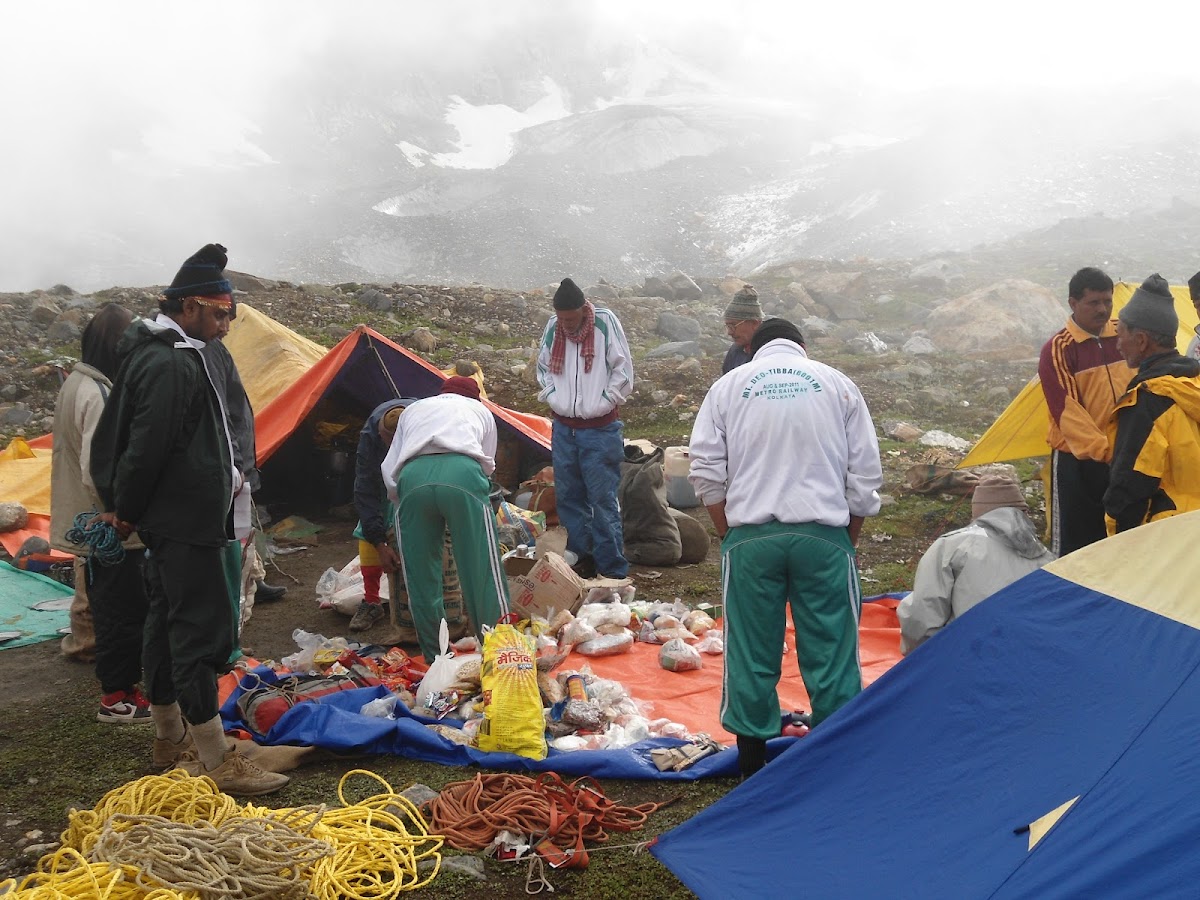
Deo Tibba Base Camp (4,350 m) is Kullu's most serious trekking objective — a 7–8 day expedition to the foot of the 6,001 m Deo Tibba peak. The route from Khanol climbs through old-growth forest to the Seri meadows (3,750 m), then onto moraine, glacial streams and a small turquoise glacial tarn at base camp. Two acclimatisation days are built into responsible itineraries.
This trek requires prior experience above 3,500 m and good physical conditioning. But for trekkers who are ready, it is transformative: the isolation is complete by Day 3, the mountain architecture above base camp is among the most dramatic in the Indian Himalayas, and the sense of achievement upon reaching a 4,350 m camp under a 6,000 m peak is extraordinary.
Practical tips
→Required fitness: able to run 5 km in under 30 minutes. Prior trek above 4,000 m strongly recommended.
→Best window: mid-June to mid-September. Snow covers the upper route outside this window.
→Book a guide through a Kullu-based operator — the upper route has no waymarkers and is easy to lose in cloud.
20.Watch Sunrise from Bijli Mahadev Ridge
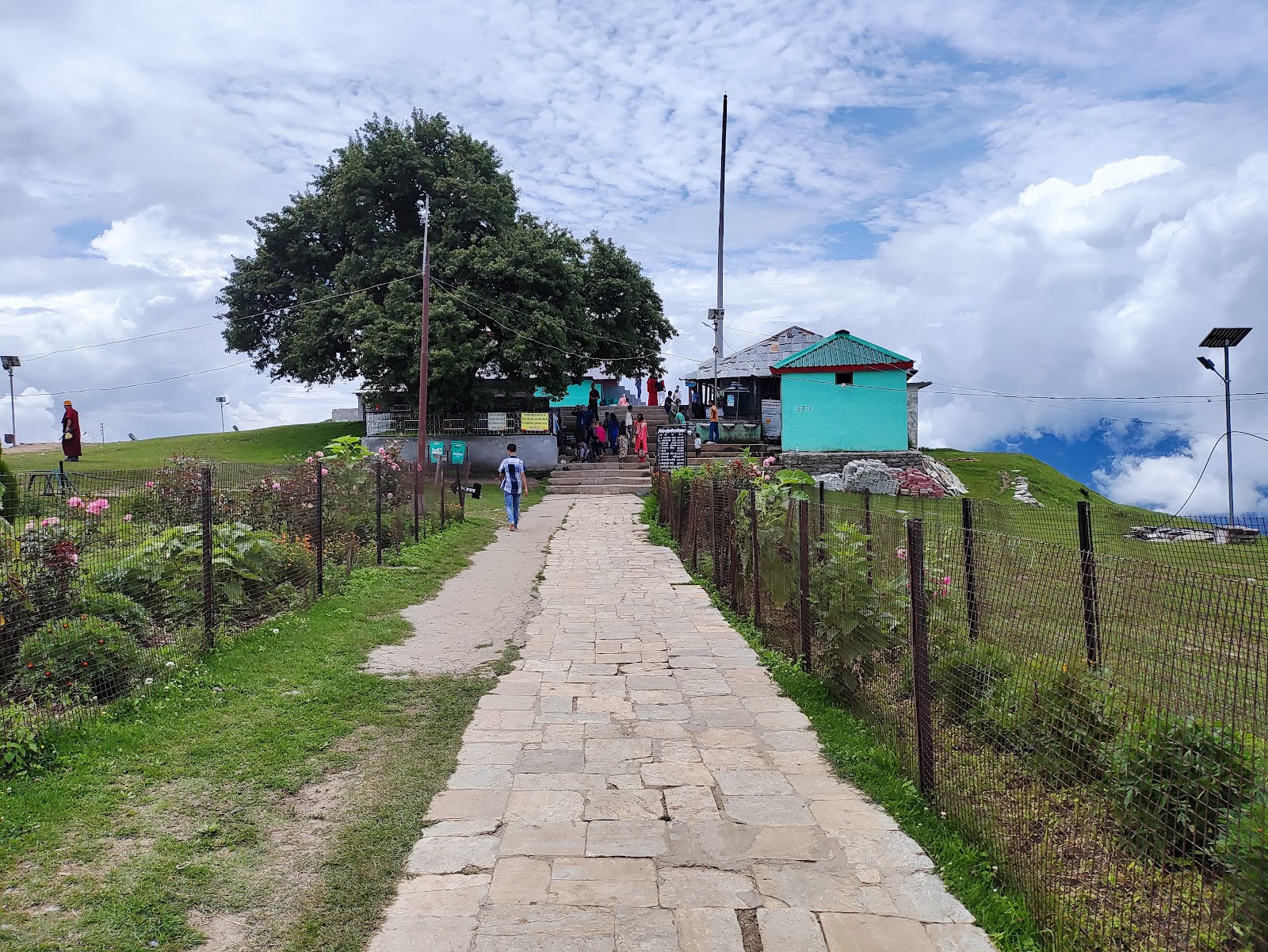
The ridge above Bijli Mahadev temple at 2,460 m commands one of the most complete panoramic views in Kullu: both the main Kullu valley and the Parvati valley below, with the Pir Panjal peaks to the north and the Dhauladhar range to the south. At sunrise, the peaks catch the first light while the valleys below are still in shadow — a display of Himalayan scale that photographs inadequately and must simply be witnessed.
The logistics are simple: drive to Chansari the evening before, stay in a small guesthouse in the village (basic but available), wake at 4 AM and hike the 3 km trail by torchlight. You reach the ridge in time for first light. The temple opens at 6 AM so you can visit immediately after sunrise. The combination of the ridge panorama and the Bijli Mahadev legend makes this the single most memorable morning experience in Kullu.
Practical tips
→Stay in Chansari village the night before — the drive from Kullu in pre-dawn darkness is inadvisable.
→October–November gives the clearest post-monsoon skies. The sunrise display is most dramatic after a cold night.
→Carry a warm layer — temperatures at the ridge can be 8–10°C even in summer before the sun clears the peaks.
Frequently asked questions
Things to do in Kullu — quick answers
More Kullu guides