Chandrakhani Pass Trek
- Duration
- 4–5 days
- Max altitude
- 3,660 m
- Group size
- 6–12 trekkers
- Start point
- Naggar
About this trek
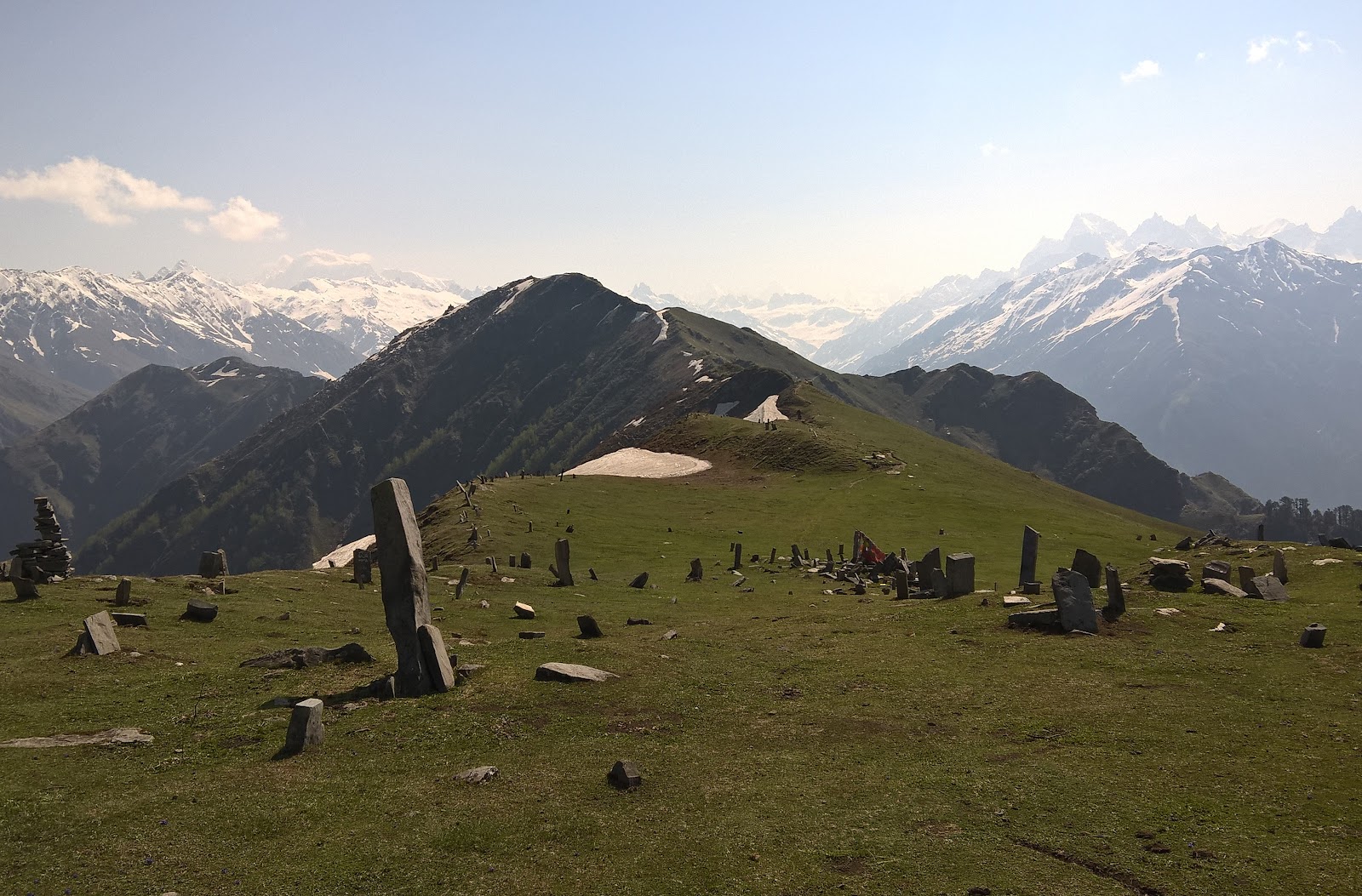
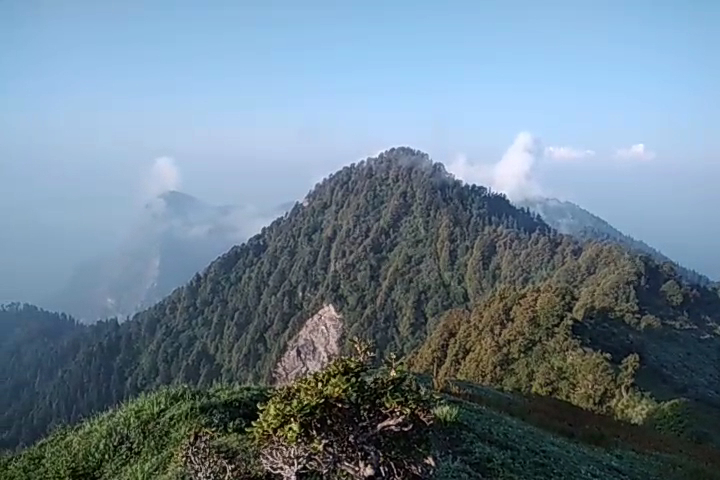
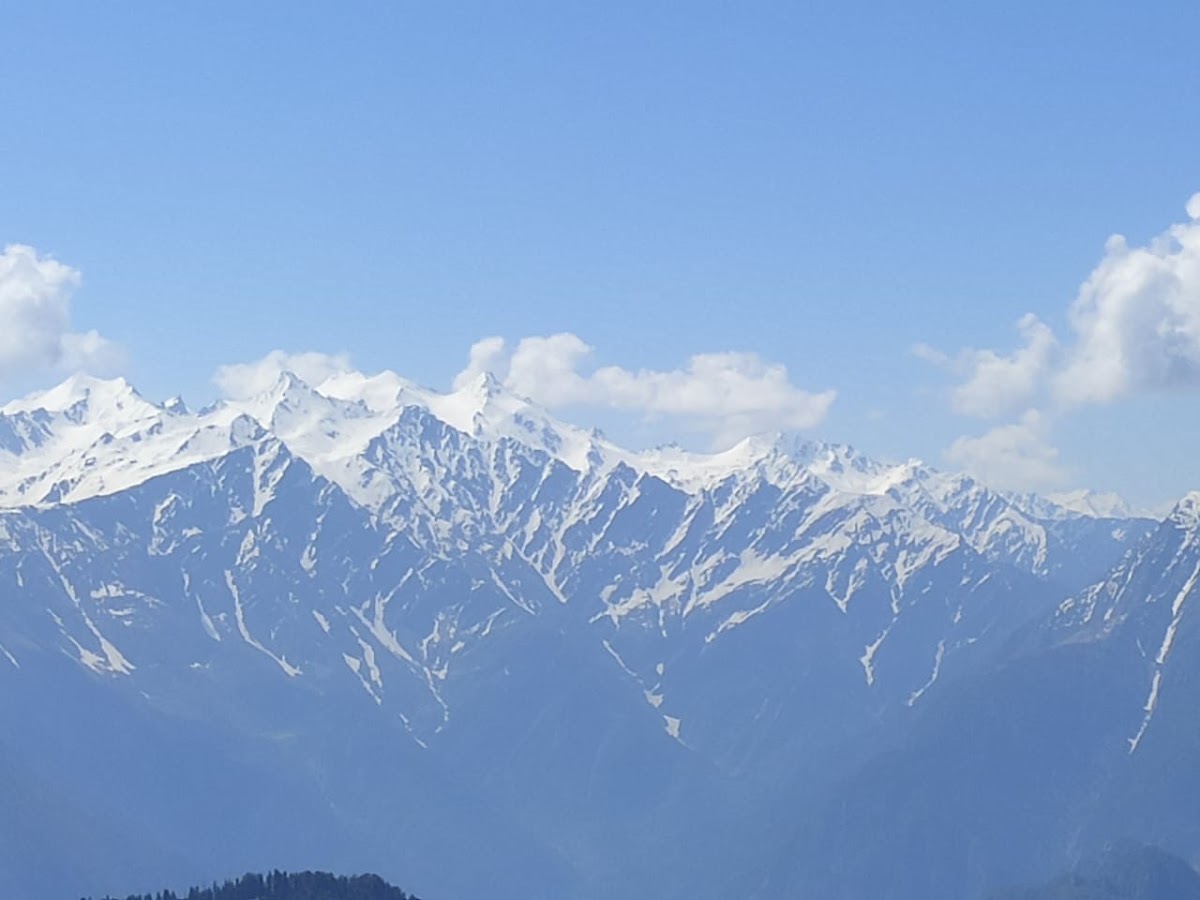
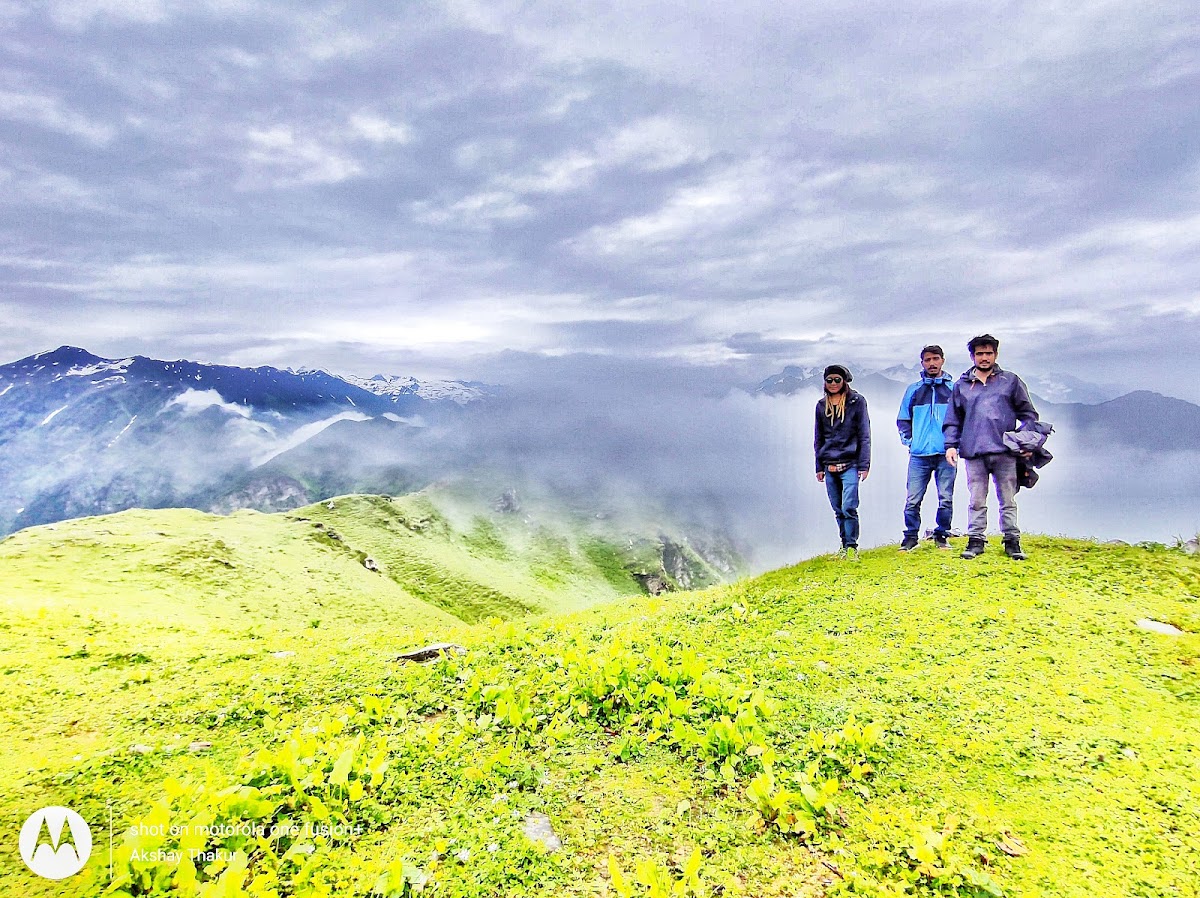
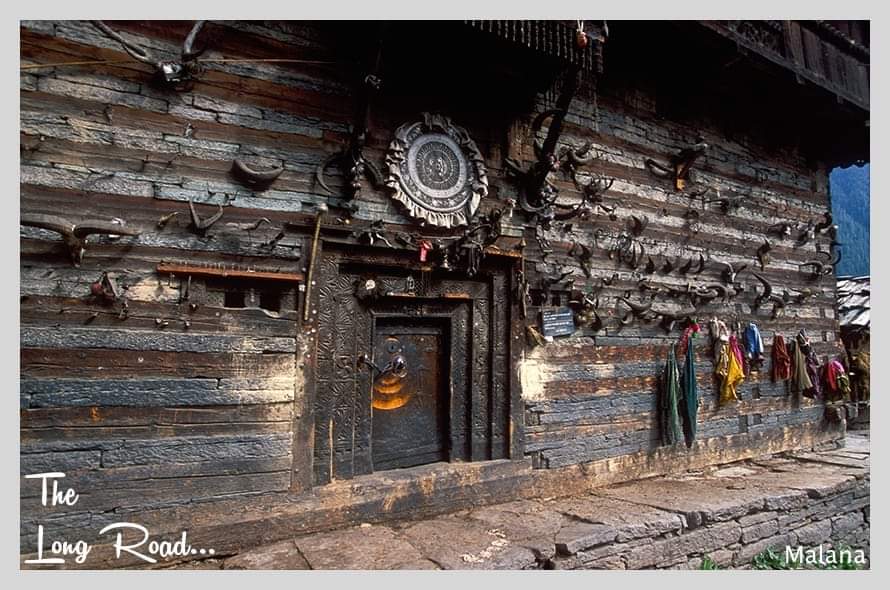
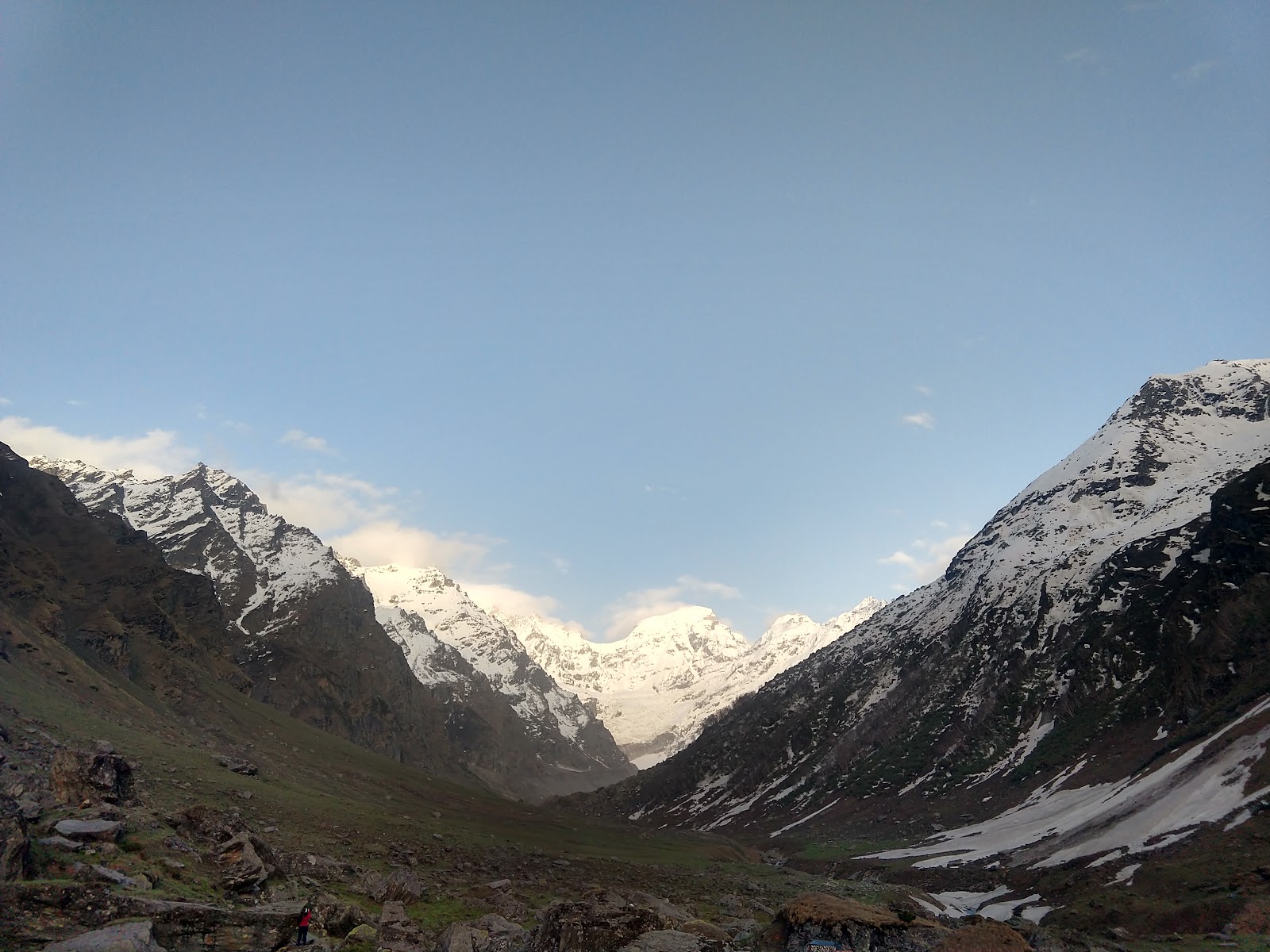
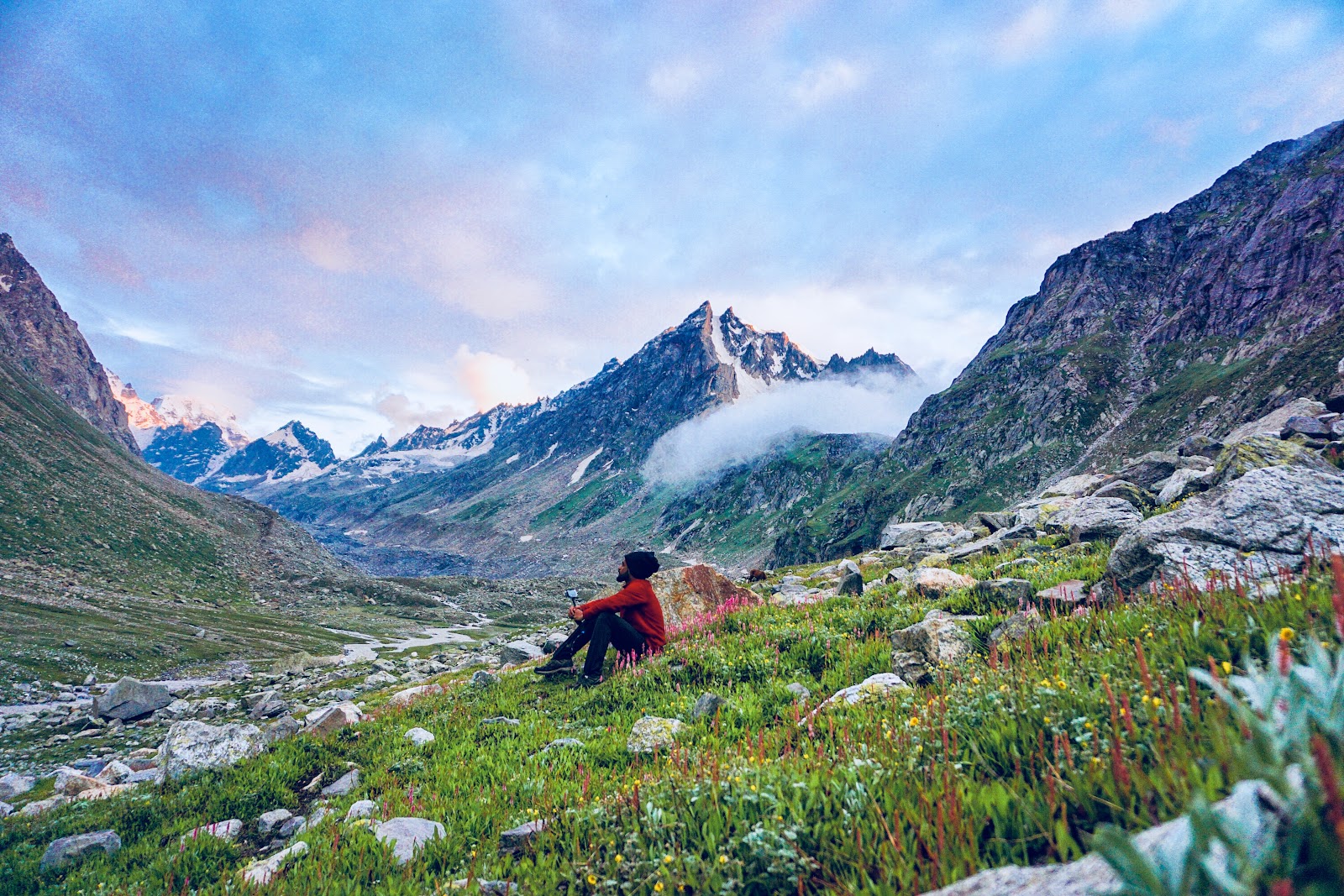
Chandrakhani Pass weaves through deodar forests, oak groves and high meadows above Naggar to a saddle that overlooks the Parvati, Pir Panjal and distant Dhauladhar ranges in a single sweep. The route ends in the legendary village of Malana, one of the oldest democracies in the world.
Itinerary
01Drive Kullu → Naggar (1,800 m)
02Naggar → Rumsu → Chaklani (2,950 m)
03Chaklani → Naya Tapru (3,300 m)
04Summit Chandrakhani Pass (3,660 m) → Malana
05Malana → Jari → Kullu
What's included
- Accommodation in tents/guesthouses on twin-share basis
- All meals from Day 1 dinner to last day breakfast
- Qualified trek leader, guide and support staff
- All necessary permits and forest fees
- Safety equipment (rope, harness, micro-spikes when needed)
- First aid kit and high-altitude medical support
What's excluded
- Transport to and from the base camp
- Personal trekking gear (jacket, shoes, backpack)
- Personal expenses (laundry, phone calls, tips)
- Insurance of any kind
- Anything not mentioned in inclusions
Highlights
Three Himalayan ranges visible from the pass
Walk into Malana, a UNESCO-noted ancient democracy
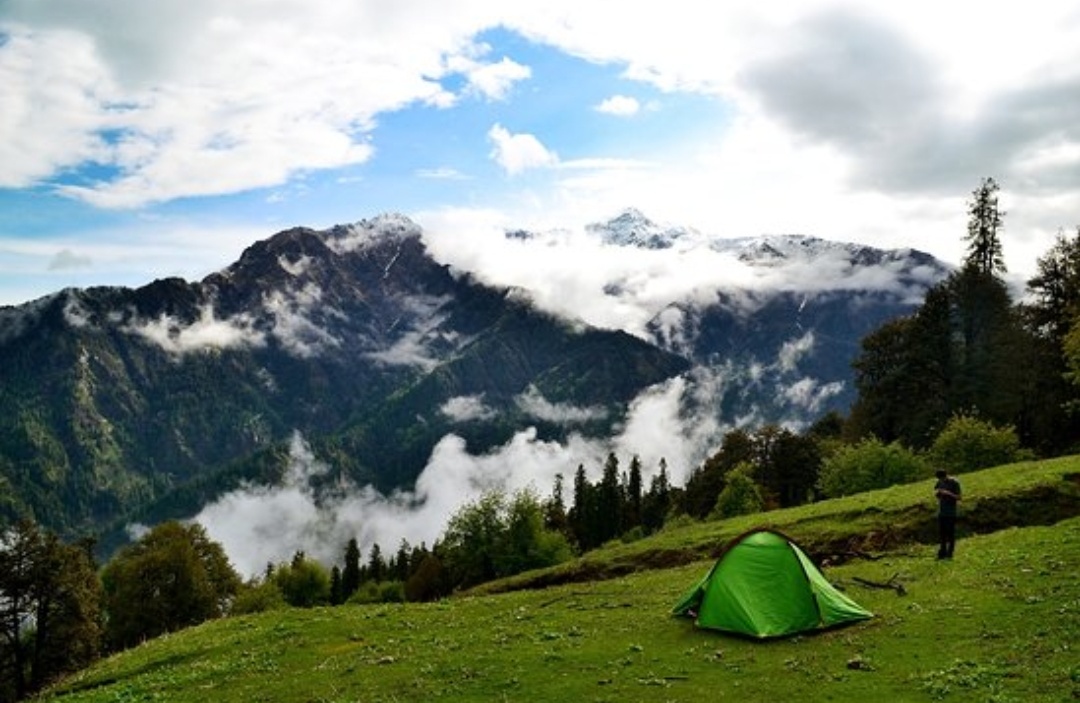
Camp at the alpine meadow of Naya Tapru
Beginner-friendly first 4,000m horizon trek
Things to carry
Trek FAQ
When is the best time to trek in Kullu?
How fit do I need to be?
Do I need prior trekking experience?
Is altitude sickness a concern?
What kind of accommodation should I expect?
Who's going here
Checking who's heading this way…
Enquire about this trek
Tell us when you'd like to go and how many of you there are. A guide replies with dates, what's included and the next steps, usually within one business day.
Thanks, we've got your enquiry. A guide will be in touch soon.
We couldn't send that. Please check your phone number and email and try again.
Explore other treks
Ready to walk this route?
Talk to a guide and we'll craft your next expedition.
Enquire about this trek